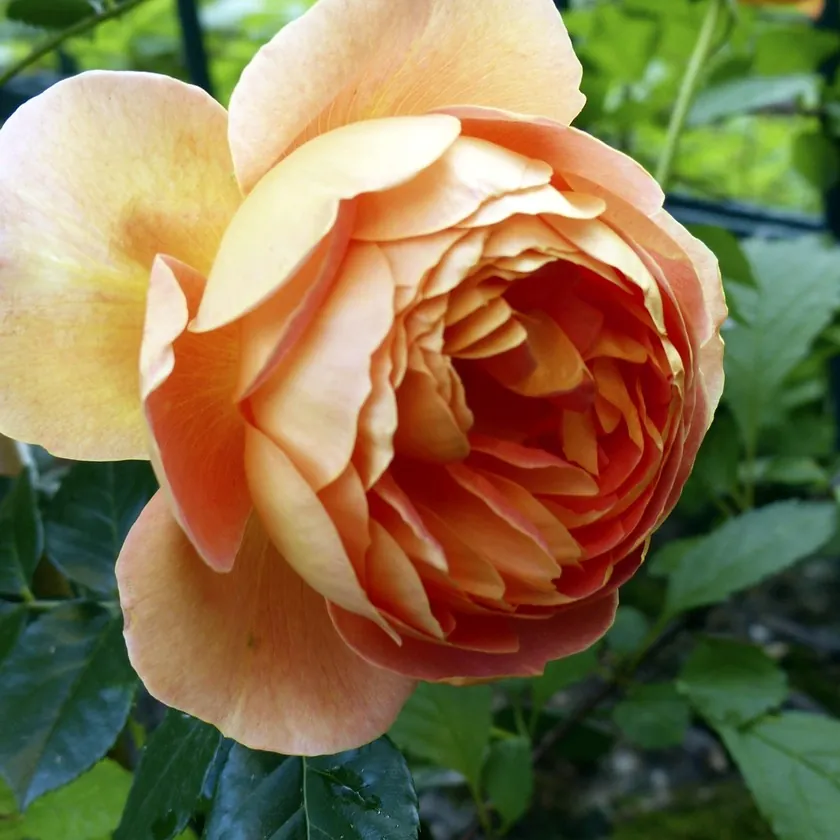
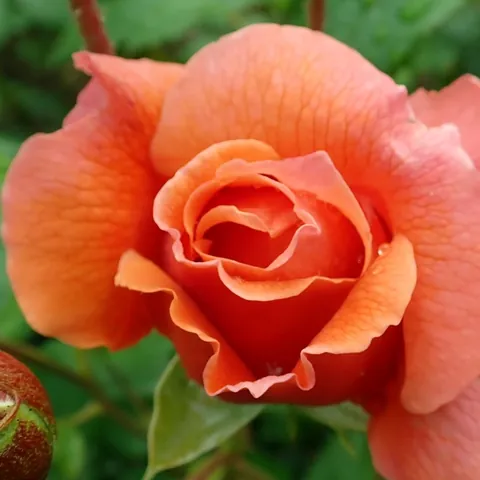
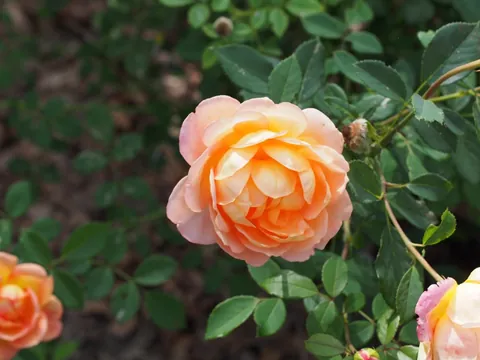
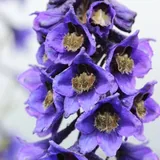
Pat Austin, close-up of the flower
Back to catalogue
English (Austin); shrubDavid Austin, 1995Apricot and orange

Pat Austin

The first bright copper colour in David Austin roses.

Named after David Austin's wife

Variety profile

Flowering

Repeat, in flushes

Abundant repeat flowering in flushes from late spring to early winter. Months are approximate, for the climate of Ukraine.

Fragrance

Strong

Warm tea (Tea), rich

Winter hardiness

−23 °C

USDA zone 5–9. Down to about −23 °C; heat-tolerant; in colder zones, winter protection.

Compare reference temperatures

Plant size

120 × 90–110 cm
person 170 cm120 cm
Habit
Vigorous, gracefully arching, spreading
Dimensions
~120 cm tall × ~90–110 cm wide
Support
Not needed; the arching canes can be lightly tied in
Shoots
Arching; young growth dark brownish-green with purple edges
Branching
Good

Flower

8–10 cm
Bud shape
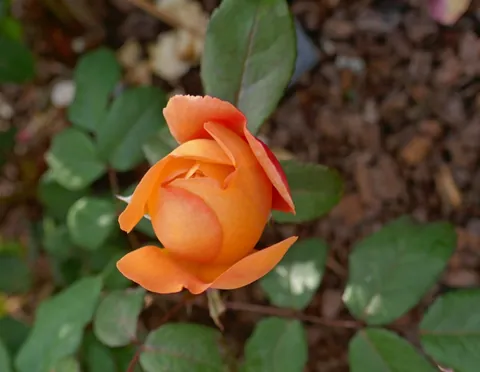
Round, copper-orange
Open flower
Large, deeply cupped; 8–10 cm
Centre
Densely packed with petals
Fullness
Double, about 50 petals
Flower carriage
Singly and in small clusters on arching canes
Flower durability
A large, striking bloom; holds its colour in heat

Fragrance

Strong

Strong, warm tea (Tea) fragrance with a rich base.

Sun

Full sun

David Austin: sun, east/south/west; NOT recommended for a shady garden.

Thorns

Moderate
thornlessfewmoderatemanyvery many

Medium thorns with a broad base, moderate number.

Foliage

Dark green, large, glossy, leathery.

Other names

Breeder's code AUSmum.

All characteristics in a table
Group
English (Austin); shrub
Breeder
David Austin, 1995
Bud shape
Round, copper-orange
Open flower
Large, deeply cupped; 8–10 cm
Centre
Densely packed with petals
Colour
Bright copper inside, a lighter copper-yellow outside: a 'colour breakthrough' among English roses
Fullness
Double, about 50 petals
Flower carriage
Singly and in small clusters on arching canes
Flowering
Abundant repeat flowering in flushes from late spring to early winter
Fragrance
Strong, warm tea (Tea) fragrance with a rich base
Flower durability
A large, striking bloom; holds its colour in heat
Habit
Vigorous, gracefully arching, spreading
Branching
Good
Shoots
Arching; young growth dark brownish-green with purple edges
Thorns
Medium thorns with a broad base, moderate number.
Dimensions
~120 cm tall × ~90–110 cm wide
Support
Not needed; the arching canes can be lightly tied in
Foliage
Dark green, large, glossy, leathery
Resistance
Good against powdery mildew and black spot (according to reviews); no official rating
Position
Full sun; not recommended for shade
Colour scheme

Bright copper inside, a lighter copper-yellow outside: a 'colour breakthrough' among English roses

Rose neighbours

Perennials to plant nearby

Rose neighbours

Warm orange-copper English roses hold one 'sunset' palette around Pat Austin.

Perennial companions

Blue and purple perennials give the strongest contrast with the copper-orange flower:

catmint (Nepeta)salviaperovskiadelphinium

Contrast accents

For depth beside the copper Pat Austin — blue or purple tones, or dark green:

delphiniumlavenderdark-leaved hosta

More about the variety

Position
Full sun; not recommended for shade
How to grow

Where to plant. Mixed borders, beds and groups, for a warm copper accent; the arching canes look lovely in an informal planting. Full sun (east/south/west): not recommended for a shady garden.

Climate. Hardy (USDA 5–9, down to about −23 °C), heat tolerance is also noted; in the colder zones of Ukraine, winter protection.

Care. Typical for English roses: sun, water at the root, feeding, removing spent flowers for new flushes. The bush keeps its shape well without complicated pruning.

About the name

Name. The rose is named after Pat Austin, the wife of the breeder David Austin, a talented sculptor (died in 2007).

Breeding. Bred by David Austin (Great Britain), code AUSmum; introduced in 1995. Parents: 'Graham Thomas' × 'Abraham Darby'.

Significance. Pat Austin became the first truly bright copper variety among English roses, a colour breakthrough for a class where delicate pastel tones had previously dominated. The deep cup and strong tea fragrance made it a classic.

Frequently asked questions about Pat Austin

Does Pat Austin need winter protection?

The cultivar’s reference temperature is −23 °C (USDA zone 5–9). Overwintering depends on the conditions. Down to about −23 °C; heat-tolerant; in colder zones, winter protection.

How many times a season does Pat Austin flower?

Abundant repeat flowering in flushes from late spring to early winter.

How big does Pat Austin grow?

About 120 cm tall, 90–110 cm wide.

How much sun does Pat Austin need?

Full sun; David Austin: sun, east/south/west; NOT recommended for a shady garden.

What does Pat Austin smell like?

Strong, warm tea (Tea) fragrance with a rich base.

Gardeners' photos and reviews

My climate

Choose a reference temperature to compare with the cultivar’s data. This is not an overwintering forecast or advice on winter protection; consider wind, moisture and the duration of frost.

Regional data are generalised. USDA describes average annual extreme minima, not a forecast; the values in the list are rounded. Check the conditions at your site. More information: Roses in Ukraine's climate.