Back to catalogue
Hybrid TeaHarkness, 2005White and cream

Chandos Beauty

Philip Harkness; the most fragrant HT from the Harkness house.

Harkness 'Most Fragrant' collection

Variety profile

Flowering

Repeat flowering

Repeat-flowering, continuous from early summer to late autumn. Months are approximate, for the climate of Ukraine.

Awards

AGM · Glasgow

RHS AGM 2012 · Glasgow Fragrance 2007 · UK Gold Standard 2007

Winter hardiness

−23 °C

USDA zone 6–9. With winter cover — all of Ukraine.

Compare reference temperatures

Plant size

90–150 × 50–80 cm
person 170 cm90–150 cm
Habit
Upright, shrubby, well branched
Dimensions
90–150 cm tall × 50–80 cm wide (RHS: 1–1.5 m × 0.5–1 m)
Support
No support needed — a standard HT, holds its shape on its own
Shoots
Sturdy, straight, holding the large fragrant flowers well
Branching
Dense; looks neat without formative pruning

Flower

10–12 cm
Bud shape
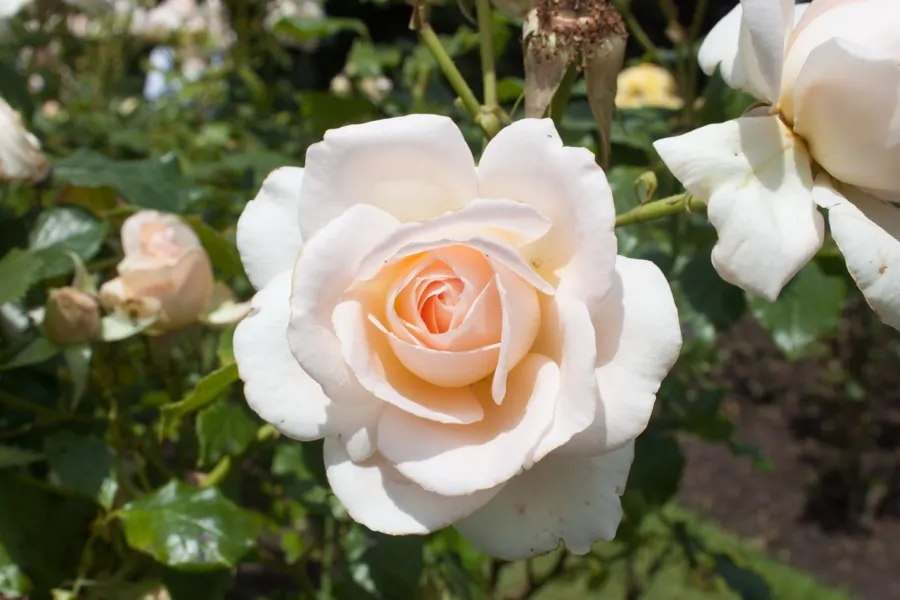
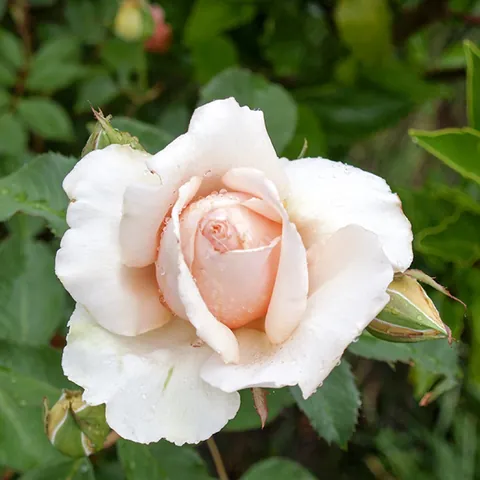
Pink-peach, high-centred — the classic HT form
Open flower
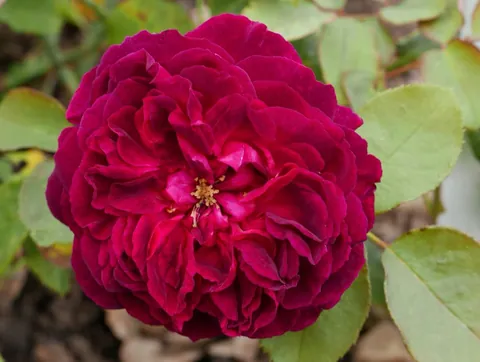
Opens into a full, nostalgic-style flower in pastel apricot; diameter 10–12 cm
Centre
Salmon-pink heart, blending into creamy apricot edges
Fullness
Very full, 40–80 petals
Flower carriage
Mostly large flowers borne singly on each stem

Fragrance

Strong

Very strong — an old-rose fragrance with notes of raspberry, lime, cinnamon and clove; the most fragrant HT Harkness.

Disease resistance

4 out of 5
Black spotsusceptiblePowdery mildewsusceptible

Good overall resistance; the RHS notes a tendency to black spot and powdery mildew in damp conditions.

Sun

Sun or light shade

In partial shade the fragrance lasts longer; in strong sun the colour fades to almost white.

Thorns

Moderate
thornlessfewmoderatemanyvery many

Moderate number of thorns — typical for HT Harkness.

Foliage

Dark green, semi-glossy.

Other names

Breeder's code HARmisty.

All characteristics in a table
Group
Hybrid Tea
Breeder
Harkness, 2005
Bud shape
Pink-peach, high-centred — the classic HT form
Open flower
Opens into a full, nostalgic-style flower in pastel apricot; diameter 10–12 cm
Centre
Salmon-pink heart, blending into creamy apricot edges
Colour
Large flower in a creamy apricot tone with soft pink-salmon shading
Fullness
Very full, 40–80 petals
Flower carriage
Mostly large flowers borne singly on each stem
Flowering
Repeat-flowering, continuous from early summer to late autumn
Fragrance
Very strong — an old-rose fragrance with notes of raspberry, lime, cinnamon and clove; the most fragrant HT Harkness
Hips
As a rule, does not set hips — continuous flowering
Habit
Upright, shrubby, well branched
Branching
Dense; looks neat without formative pruning
Shoots
Sturdy, straight, holding the large fragrant flowers well
Thorns
Moderate number of thorns — typical for HT Harkness.
Dimensions
90–150 cm tall × 50–80 cm wide (RHS: 1–1.5 m × 0.5–1 m)
Support
No support needed — a standard HT, holds its shape on its own
Foliage
Dark green, semi-glossy
Resistance
Good overall resistance; the RHS notes a tendency to black spot and powdery mildew in damp conditions
Variations of the variety
No official sports

Colour scheme

Large flower in a creamy apricot tone, with soft pink-salmon shading

Rose neighbours

Perennials to plant nearby

Neighbouring roses

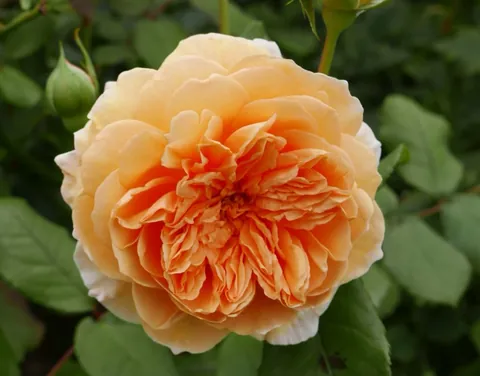
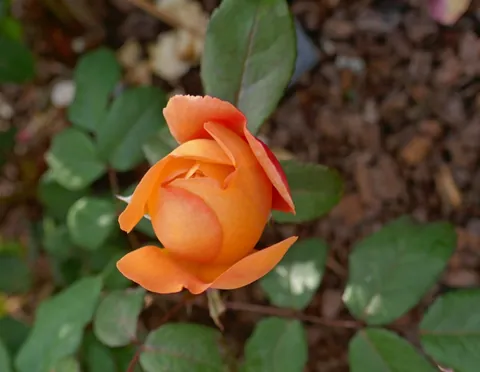
Other peach-apricot varieties in a warm palette:

Companion perennials

Violet-blue perennials — a classic contrast to warm apricot:

geranium 'Rozanne'catmint 'Walker's Low'spike speedwelllamb's ear

Contrasting accents

For depth and interplay of shades — cool purples and fiery warm tones:

Russian sage (Perovskia)gaillardiawoolly stachys

More about the variety

Hips
As a rule, does not set hips — continuous flowering
Variations of the variety
No official sports

How to grow

Where to plant. Fragrant beds beside paths and house windows, formal borders, cut-flower roses; because of the strong scent, it is best where people often walk by.

Climate. To −23 °C — in the northern regions of Ukraine it needs winter cover; in the south, no cover is needed.

Care. Classic HT — formative pruning in spring, removing spent flowers; in a damp climate, prevent black spot. Sun or light shade.

About the name

Name. After the Chandos House estate (Chandos House). It underlines the aristocratic, formal character of the flower.

Breeding. Bred by Philip Harkness at R. Harkness & Co. Ltd. (UK), 2005. Patent code — HARmisty. Parentage not published by the house (closed genetic material).

Significance. Created as a 'dream rose' — a combination of the classic HT form, a powerful fragrance and good health. Won the RHS AGM (2012), the Glasgow Fragrance Prize (2007) and the UK Rose Growers Gold Standard (2007). The most fragrant HT in the Harkness range.

Frequently asked questions about Chandos Beauty

Does Chandos Beauty need winter protection?

The cultivar’s reference temperature is −23 °C (USDA zone 6–9). Overwintering depends on the conditions.

How many times a season does Chandos Beauty flower?

Repeat-flowering, continuous from early summer to late autumn.

How big does Chandos Beauty grow?

90–150 cm tall, 50–80 cm wide.

Which diseases affect Chandos Beauty?

Overall resistance: 4 out of 5. Good, especially for a very fragrant HT; in damp conditions prone to black spot.

How much sun does Chandos Beauty need?

Sun or light shade; in partial shade the fragrance lasts longer; in strong sun the colour fades to almost white.

What does Chandos Beauty smell like?

Very strong — an old-rose fragrance with notes of raspberry, lime, cinnamon and clove; the most fragrant HT Harkness.

Gardeners' photos and reviews

My climate

Choose a reference temperature to compare with the cultivar’s data. This is not an overwintering forecast or advice on winter protection; consider wind, moisture and the duration of frost.

Regional data are generalised. USDA describes average annual extreme minima, not a forecast; the values in the list are rounded. Check the conditions at your site. More information: Roses in Ukraine's climate.