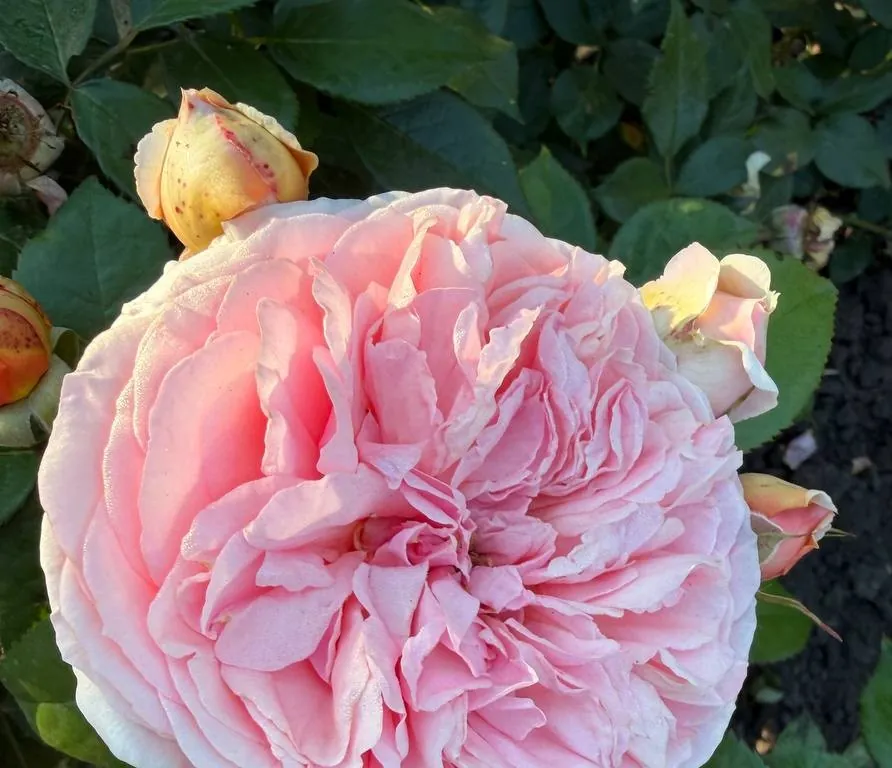
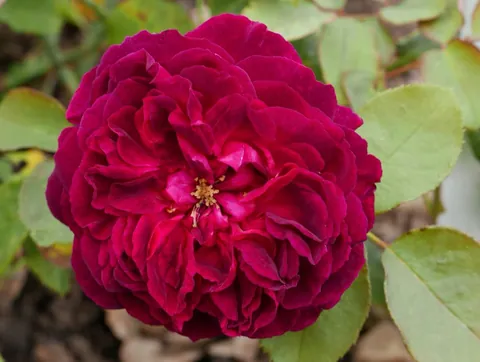




Chippendale, close-up of the flower
Back to catalogue
Shrub rose; nostalgicTantau, 2005Apricot and orange

Chippendale

Hans Jürgen Evers · synonym Duchess of Cornwall · one of Tantau's most beautiful old-fashioned roses.

Variety profile

Flowering

Repeat flowering

Very good repeat-flowering, early — one of the most abundantly flowering nostalgic Tantau roses. Months are approximate, for the climate of Ukraine.

Winter hardiness

−23 °C

USDA zone 6–9.

Compare reference temperatures

Plant size

80–120 × 100 cm
person 170 cm80–120 cm
Habit
Sturdy upright shrub with compact branching
Dimensions
80–120 cm tall × ~100 cm wide
Support
No support needed — an ordinary shrub with a floribunda habit
Shoots
Sturdy, straight, holding the double flowers well
Branching
Dense; the bush holds its shape well

Flower

8–10 cm
Bud shape
Rounded-conical, dark orange
Open flower
Cupped and quartered in the style of English roses; diameter 8–10 cm
Centre
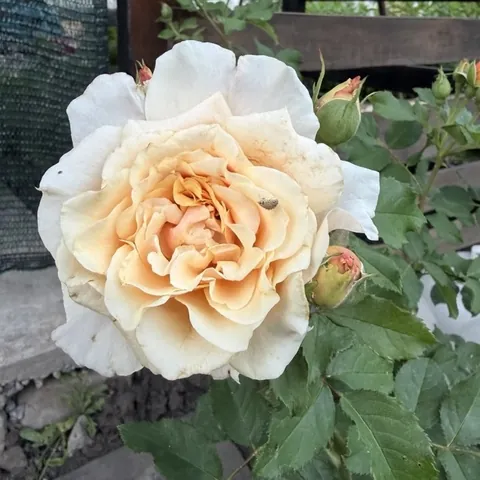
Dense quartered centre with shades of pink, apricot and peach — each flower has a unique gradient
Fullness
Very double, 70–100 petals (HMF: 41+; Wikipedia: ~100)
Flower carriage
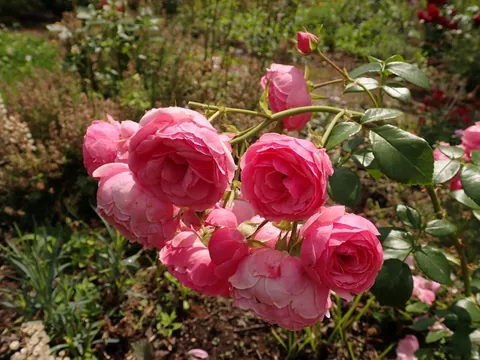
In small clusters of 1–3 flowers per stem

Fragrance

Strong

Strong (3 per Tantau, but descriptions say 'strong, sweet, fruity') — notes of peach, mango, spice.

Disease resistance

3 out of 5
Black spotmoderatePowdery mildewmoderate

Moderate; needs preventive treatments in damp climates.

Sun

Sun or part shade

Tolerates partial shade well; in shade the colour is softer, with more pink.

Thorns

Many
thornlessfewmoderatemanyvery many

Few — not many thorns on the stems

Foliage

Dark green, semi-glossy.

Other names

Duchess of Cornwall
All characteristics in a table
Group
Shrub rose; nostalgic
Breeder
Tantau, 2005
Bud shape
Rounded-conical, dark orange
Open flower
Cupped and quartered in the style of English roses; diameter 8–10 cm
Centre
Dense quartered centre with shades of pink, apricot and peach — each flower has a unique gradient
Colour
Dark orange in bud, peach-apricot, with pink tints as it opens; varies with temperature and light
Fullness
Very double, 70–100 petals (HMF: 41+; Wikipedia: ~100)
Flower carriage
In small clusters of 1–3 flowers per stem
Flowering
Very good repeat-flowering, early — one of the most abundantly flowering nostalgic Tantau roses
Fragrance
Strong (3 per Tantau, but descriptions say 'strong, sweet, fruity') — notes of peach, mango, spice
Hips
Does not form hips (the flowers are double)
Habit
Sturdy upright shrub with compact branching
Branching
Dense; the bush holds its shape well
Shoots
Sturdy, straight, holding the double flowers well
Number of thorns
Few — not many thorns on the stems
Dimensions
80–120 cm tall × ~100 cm wide
Support
No support needed — an ordinary shrub with a floribunda habit
Foliage
Dark green, semi-glossy
Resistance
Moderate; needs preventive treatments in damp climates
Variations of the variety
Trade synonym Duchess of Cornwall — dedicated to Camilla (then Duchess of Cornwall) in the UK in 2005 at BBC Gardeners' World Live

Colour scheme

Dark orange in bud, peach-apricot, with pink tints as it opens; varies with temperature and light

Rose neighbours

Perennials to plant nearby

Rose neighbours

Neighbours change the rhythm of the composition: round Pomponella, caramel-toned Caramella, the lighter, spreading Bonica and the white sprays of Iceberg.

Companion perennials

Cool blue-violet spires and lime foliage balance the warm peach-pink tone of Chippendale.

  • narrow-leaved lavender. Colour accent — lavender.
  • salvia 'Mainacht'. Colour accent — purple.
  • catmint 'Walker's Low'. Colour accent — blue.
  • Lady's mantle. Colour accent — lime green.

More about the variety

Hips
Does not form hips (the flowers are double)
Variations of the variety
Trade synonym Duchess of Cornwall — dedicated to Camilla (then Duchess of Cornwall) in the UK in 2005 at BBC Gardeners' World Live

How to grow

Where to plant. Mixed borders, group plantings of 3–5 bushes, the centre of a romantic flower garden; looks good with lavender and sage.

Climate. To −23 °C — in Ukraine with light protection in the northern regions; in the south, no protection.

Care. Formative pruning in spring, removing spent flowers; in damp climates, prevent black spot. Regular feeding keeps flowering abundant.

About the name

Name. 'Chippendale' — after Thomas Chippendale (1718–1779), the legendary English furniture maker whose works set the standard for English style in the XVIII century. The name conveys the refinement and classic elegance of the nostalgic form of the flower.

Breeding. Bred by Hans Jürgen Evers at Rosen-Tantau (Germany), 2005. Parentage not officially published. Belongs to the Nostalgic® Roses series — Tantau's line of nostalgic roses.

Significance. One of the most beautiful nostalgic Tantau roses. In 2005, at BBC Gardeners' World Live (UK), the variety was officially dedicated to Camilla, then Duchess of Cornwall — hence the trade synonym Duchess of Cornwall. Earned the RHS Award of Garden Merit 2012 and bronze at the 'Schönste Rose im Rosarium Uetersen' 2013. Belongs to the 'Evers dynasty' along with Candlelight and Cappuccino.

Frequently asked questions about Chippendale

Does Chippendale need winter protection?

The cultivar’s reference temperature is −23 °C (USDA zone 6–9). Overwintering depends on the conditions.

How many times a season does Chippendale flower?

Very good repeat-flowering, early — one of the most abundantly flowering nostalgic Tantau roses.

How big does Chippendale grow?

80–120 cm tall, about 100 cm wide.

Which diseases affect Chippendale?

Overall resistance: 3 out of 5. Moderate; 3 for black spot, 3 for powdery mildew (per Tantau).

How much sun does Chippendale need?

Sun or part shade; tolerates partial shade well; in shade the colour is softer, with more pink.

What does Chippendale smell like?

Strong (3 per Tantau, but descriptions say 'strong, sweet, fruity') — notes of peach, mango, spice.

Gardeners' photos and reviews

My climate

Choose a reference temperature to compare with the cultivar’s data. This is not an overwintering forecast or advice on winter protection; consider wind, moisture and the duration of frost.

Regional data are generalised. USDA describes average annual extreme minima, not a forecast; the values in the list are rounded. Check the conditions at your site. More information: Roses in Ukraine's climate.