



Back to catalogue
English ShrubDavid C. H. Austin Sr.; David Austin Roses, 1983Pink

Mary Rose

Founding parent of the commercial English Roses series (with Graham Thomas + Wife of Bath); no RHS AGM awarded (a common myth); 2 descendant sports: Winchester Cathedral (1988) and Redouté (1992).

One of 3 progenitors of English Roses · Chelsea debut 1983

Variety profile

Flowering

Repeat-flowering, abundant

Legacy

Chelsea 1983

Progenitor of English Roses · RHS AGM NOT awarded

Winter hardiness

−23 °C

USDA zone 5b. RHS H6; all of Ukraine, without cover for most of the territory. RHS H6 · all of Ukraine, mostly without winter protection.

Compare reference temperatures

Plant size

120–150 × 90–150 cm
person 170 cm120–150 cm
Habit
Broad, branching, compact — a classic English Shrub
Dimensions
120–150 × 90–150 cm (4–5 ft × 3–5 ft)
Support
Does not need support
Shoots
Medium, flexible, hold their flowers well
Branching
Excellent, from the base

Flower

8–9 cm
Bud shape
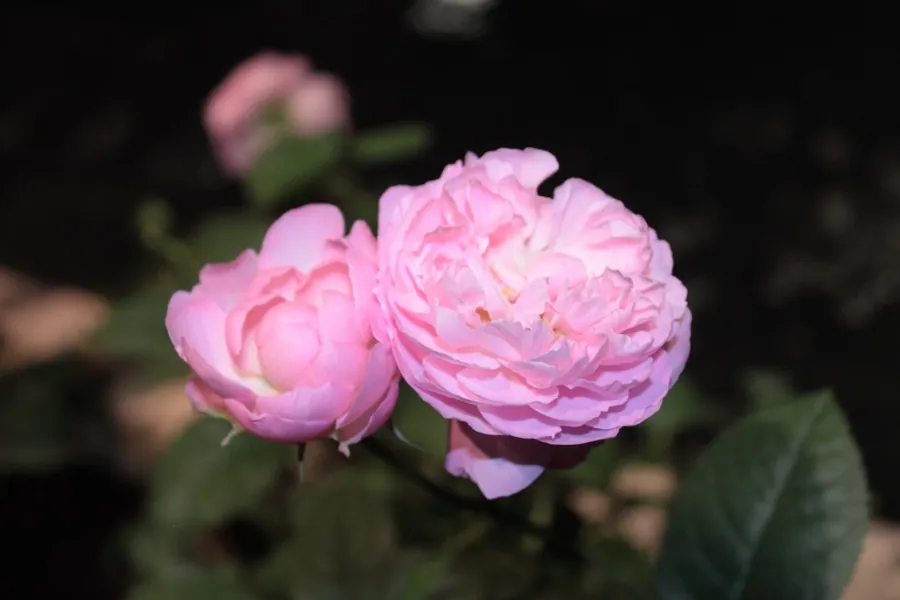
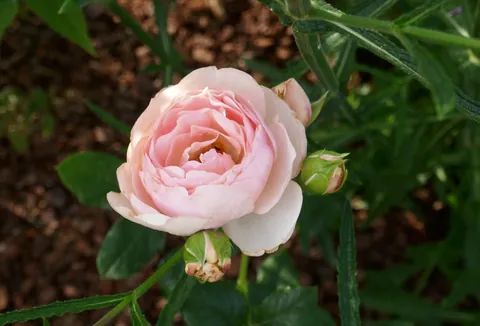
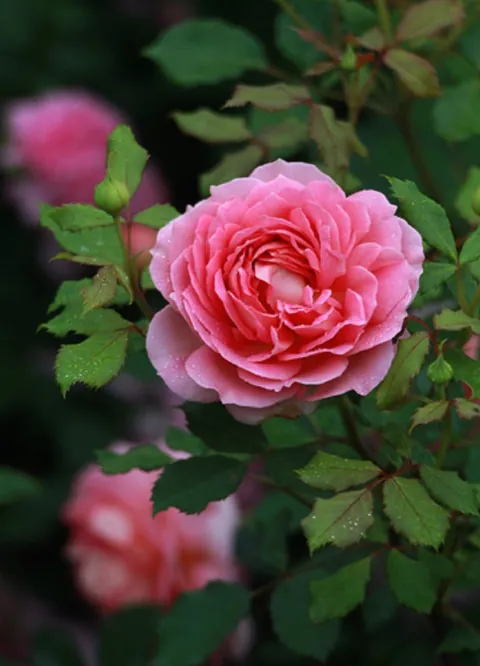
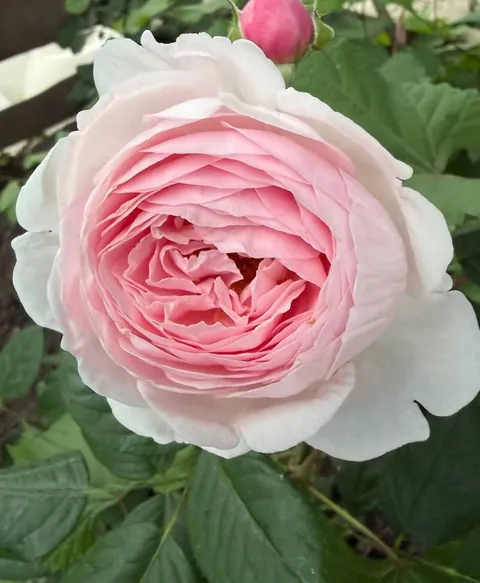
Round, warm pink, full
Open flower
The classic cupped form — a characteristic feature of English Roses; reminiscent of old roses of the XIX century
Centre
Tightly packed, in the same warm pink tone
Fullness
Large full, ~60 petals (26–40+ per HMF, up to 60 per Austin)
Flower carriage
In clusters of several flowers per stem

Fragrance

Strong; Old Rose + honey + almond

3.5–4/5 — Old Rose with notes of honey and almond blossom — a characteristic 'classic' Austin-style bouquet.

Disease resistance

4 out of 5
Black spotresistant

4/5 — good against black spot.

Sun

Full sun

Thorns

Moderate
thornlessfewmoderatemanyvery many

Average number of thorns, typical of English Roses.

Foliage

Dark green, leathery, healthy — confirmed by trials at the Nova Scotia Agricultural College.

All characteristics in a table
Group
English Shrub
Breeder
David C. H. Austin Sr.; David Austin Roses, United Kingdom, 1983
Bud shape
Round, warm pink, full
Open flower
The classic cupped form — a characteristic feature of English Roses; reminiscent of old roses of the XIX century
Centre
Tightly packed, in the same warm pink tone
Colour
Mid pink / rose-pink, warm, free of yellow tones. Stable in the sun.
Fullness
Large full, ~60 petals (26–40+ per HMF, up to 60 per Austin)
Flower carriage
In clusters of several flowers per stem
Flowering
Repeat-flowering, abundant
Fragrance
3.5–4/5 — Old Rose with notes of honey and almond blossom — a characteristic 'classic' Austin-style bouquet
Hips
Not documented
Habit
Broad, branching, compact — a classic English Shrub
Branching
Excellent, from the base
Shoots
Medium, flexible, hold their flowers well
Thorns
Average number of thorns, typical of English Roses.
Dimensions
120–150 × 90–150 cm (4–5 ft × 3–5 ft)
Support
Does not need support
Foliage
Dark green, leathery, healthy — confirmed by trials at the Nova Scotia Agricultural College
Resistance
4/5 — good against black spot
Variations of the variety
Code AUSmary; parentage Wife of Bath × The Miller (both varieties by David Austin; HMF: 'Some differences of opinion about parentage' — there are alternative versions); 2 famous sports: Winchester Cathedral (1988, white) and Redouté (1992, pale pink); no RHS AGM awarded (contrary to a common myth)

Colour scheme

Mid pink / rose-pink, warm, free of yellow tones. Stable in the sun.

Rose neighbours

Perennials to plant nearby

Neighbouring roses

A classic family of Austin flagships:

Companion perennials

A classic English cottage family:

'Hidcote' lavendercatmintsoft lady's mantle (Alchemilla)evening primrose (Oenothera)

Availability worldwide

One of the best-known Austin varieties of all time:

🇬🇧 UK: very high · David Austin🇺🇸 USA: high · David Austin US🇪🇺 Europe: high · David Austin EU🇺🇦 Ukraine: moderate · via European nurseries

More about the variety

Hips
Not documented
Variations of the variety
Code AUSmary; parentage Wife of Bath × The Miller (both varieties by David Austin; HMF: 'Some differences of opinion about parentage' — there are alternative versions); 2 famous sports: Winchester Cathedral (1988, white) and Redouté (1992, pale pink); no RHS AGM awarded (contrary to a common myth)

How to grow

Where to plant. Classic English flower gardens, as a specimen in the central composition, in a group with Graham Thomas (the second founder of the Austin roses); ideal in historic gardens and collections.

Climate. To −23 °C — RHS H6 (hardy throughout the UK and northern Europe); in Ukraine, no cover needed for most of the territory.

Care. Classic English Shrub — spring pruning by a third of its height; removing spent flowers encourages new flushes; routine seasonal protection against black spot.

About the name

Name. The rose is named after the 'Mary Rose' — the flagship of the English King Henry VIII, built in 1510 and sunk in 1545 in a battle in the Solent off Portsmouth against the French fleet. Raised from the seabed on 11 October 1982, after 437 years under water — one of the greatest events in the marine archaeology of the XX century. The name was chosen in cooperation with the Mary Rose Trust; the year the variety was bred coincided with the ship's raising.

Breeding. Bred by David C. H. Austin Sr. (1926–2018) at David Austin Roses (Albrighton, England), presented at the Chelsea Flower Show in 1983. Code AUSmary. Parentage: Wife of Bath × The Miller (both also varieties by David Austin; HMF notes 'Some differences of opinion about parentage' — there are alternative versions). 2 famous descendant sports: Winchester Cathedral (1988, white) and Redouté (1992, pale pink) — both registered by Austin.

Significance. ONE OF THE 3 FOUNDING PARENTS OF THE COMMERCIAL ENGLISH ROSES SERIES, together with Graham Thomas (AUSmas, yellow) and Wife of Bath (an earlier variety, a parent). The debut at the Chelsea Flower Show in 1983 is considered the starting point of the global popularity of English Roses. RHS AGM was not awarded to Mary Rose itself (a common myth!) — formally it is not in the RHS register. Ratings in Great Britain have consistently been high. Often confused with the historic ship Mary Rose, and with Mary, Queen of Scots (Scotch Rose XIX century). Winchester Cathedral and Redouté sports are sometimes sold as separate varieties without reference to the mother.

Frequently asked questions about Mary Rose

Does Mary Rose need winter protection?

The cultivar’s reference temperature is −23 °C (USDA zone 5b). Overwintering depends on the conditions. RHS H6; all of Ukraine, without cover for most of the territory.

How many times a season does Mary Rose flower?

Repeat-flowering, abundant.

How big does Mary Rose grow?

120–150 cm tall, 90–150 cm wide.

Which diseases affect Mary Rose?

Overall resistance: 4 out of 5. Good; confirmed by trials at the Nova Scotia Agricultural College.

How much sun does Mary Rose need?

Sun; full sun.

What does Mary Rose smell like?

3.5–4/5 — Old Rose with notes of honey and almond blossom — a characteristic 'classic' Austin-style bouquet.

Gardeners' photos and reviews

My climate

Choose a reference temperature to compare with the cultivar’s data. This is not an overwintering forecast or advice on winter protection; consider wind, moisture and the duration of frost.

Regional data are generalised. USDA describes average annual extreme minima, not a forecast; the values in the list are rounded. Check the conditions at your site. More information: Roses in Ukraine's climate.