



Back to catalogue
English ShrubDavid C.H. Austin, 1986Pink

Gertrude Jekyll

WFRS World's Favourite Rose 2025 (May 2025, 20th World Rose Convention, Fukuyama) — the highest award in the rose world; RHS AGM 2012; James Mason 2002.

English Climbing in a warm climate

Variety profile

Flowering

Repeat-flowering, in flushes through the season

Awards

WFRS 2025

World's Favourite Rose · RHS AGM 2012 · James Mason 2002

Winter hardiness

−34 °C

USDA zone 4–11. Exceptional winter hardiness; all of Ukraine without cover. Exceptional winter hardiness · all of Ukraine without winter protection.

Compare reference temperatures

Plant size

150 × 105 cm
person 170 cmon a supportup to 2.7 m150 cm
Habit
A wide, spreading shrub; in warm regions (USA Zone 8+) it behaves like a climber up to 270 cm
Dimensions
150 cm high × 105 cm wide (shrub); up to 270 cm as a climber in a warm climate
Support
Not required as a shrub; for the climbing form — arch, pergola, trellis
Shoots
Long, flexible, shape well
Branching
Very good — a large bush with a strong framework

Flower

9–13 cm
Bud shape
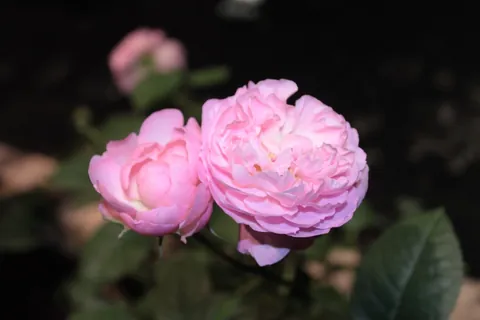
Round-conical, deep pink
Open flower
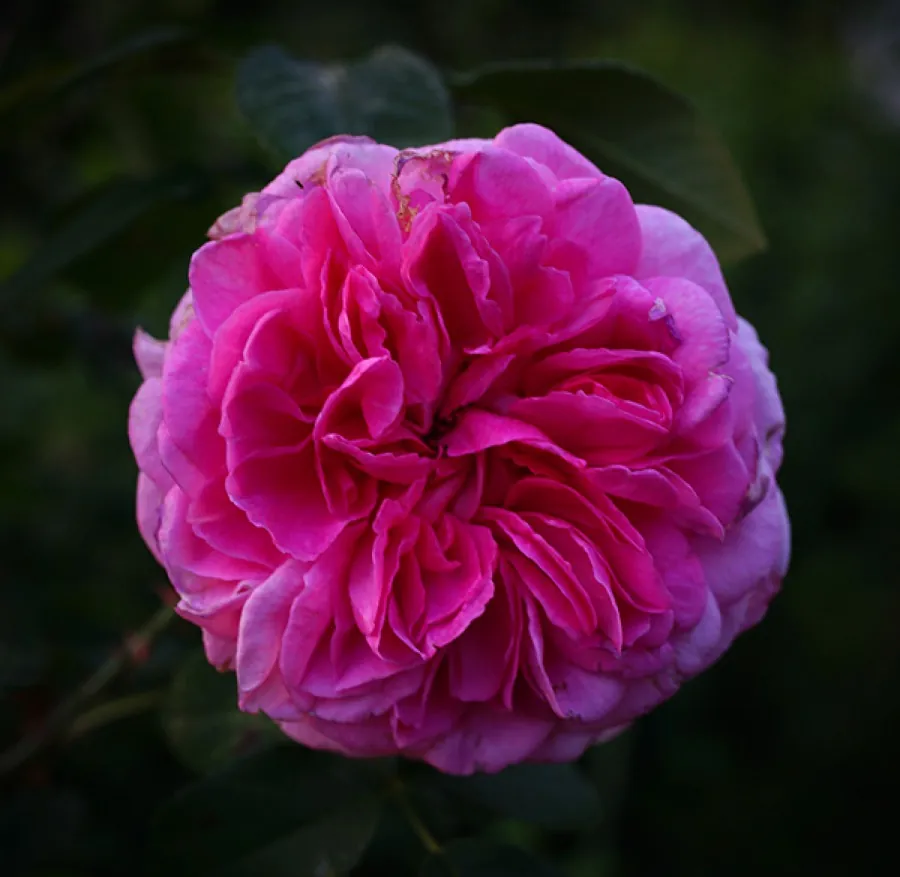
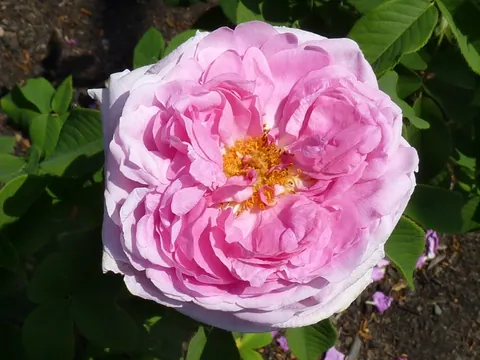
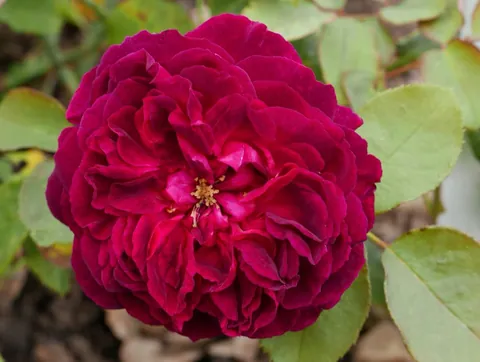
Fully double, classic quartered form with delicate 'boxes' of petals at the centre; diameter 9–13 cm
Centre
Light red centre with frequent quartering
Fullness
Fully double, ~80 petals
Flower carriage
Singly or in small clusters of 2–3

Fragrance

Strong

Very strong, classic 'Old Rose' — the benchmark for David Austin's damask fragrance; this variety is used in perfumery as a model 'perfume rose'.

Disease resistance

4 out of 5

Good — legendarily hardy for an Austin English rose; rarely diseased.

Sun

Sun or partial shade

Tolerates some shade, which brings out the fragrance.

Thorns

Many
thornlessfewmoderatemanyvery many

Many thorns — typical of the 'vigorous' Austin English roses.

Foliage

Matt green, healthy.

All characteristics in a table
Group
English Shrub
Breeder
David C.H. Austin, United Kingdom, 1986
Bud shape
Round-conical, deep pink
Open flower
Fully double, classic quartered form with delicate 'boxes' of petals at the centre; diameter 9–13 cm
Centre
Light red centre with frequent quartering
Colour
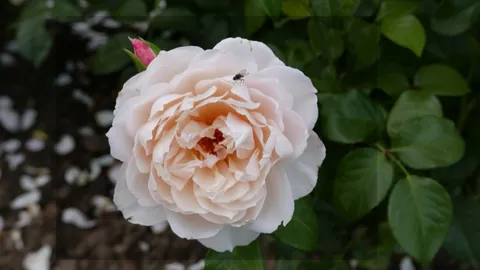
Bright pink with a light red centre; the edges of the petals noticeably pale, creating a distinctive 'glowing' effect
Fullness
Fully double, ~80 petals
Flower carriage
Singly or in small clusters of 2–3
Flowering
Repeat-flowering, in flushes through the season
Fragrance
Very strong, classic 'Old Rose' — the benchmark for David Austin's damask fragrance; this variety is used in perfumery as a model 'perfume rose'
Hips
Possible ornamental hips in autumn
Habit
A wide, spreading shrub; in warm regions (USA Zone 8+) it behaves like a climber up to 270 cm
Branching
Very good — a large bush with a strong framework
Shoots
Long, flexible, shape well
Thorns
Many thorns — typical of the 'vigorous' Austin English roses.
Dimensions
150 cm high × 105 cm wide (shrub); up to 270 cm as a climber in a warm climate
Support
Not required as a shrub; for the climbing form — arch, pergola, trellis
Foliage
Matt green, healthy
Resistance
Good — legendarily hardy for an Austin English rose; rarely diseased
Variations of the variety
Code AUSbord (AUSboard in the USA); parentage 'Wife of Bath' × 'Comte de Chambord'; named after British gardener Gertrude Jekyll (1843–1932)

Colour scheme

Bright pink with a light red centre; the edges of the petals noticeably pale, creating a distinctive 'glowing' effect

Rose neighbours

Perennials to plant nearby

Neighbouring roses

Classic English Rose family + Portland parent:

Companion perennials

Classic English palette — purple, blue, silver:

lavender 'Hidcote'catmint 'Walker's Low'lamb's ear (Stachys)lady's mantle (Alchemilla)

Availability worldwide

A David Austin worldwide bestseller — even more sought after since WFRS 2025:

  • 🇪🇺 Europe: VERY HIGH · David Austin Roses · everywhere
  • 🇺🇸 USA: VERY HIGH · David Austin USA
  • 🇯🇵 Asia: VERY HIGH · Japan loves Austin
  • 🇺🇦 Ukraine: high · a top Austin rose at garden centres

More about the variety

Hips
Possible ornamental hips in autumn
Variations of the variety
Code AUSbord (AUSboard in the USA); parentage 'Wife of Bath' × 'Comte de Chambord'; named after British gardener Gertrude Jekyll (1843–1932)

How to grow

Where to plant. Classic English borders, the centre of a romantic flower garden, beside seating areas (for the fragrance), as a single bush in a lawn; in warmer regions as a climber on a south-facing wall; lovely paired with lavender and catmint.

Climate. To −34 °C — all of Ukraine without cover; one of the hardiest Austin English Roses; legendary in Canada and Scandinavia.

Care. Classic Austin — spring pruning by a third (for a shrub) or lighter shaping (for the climbing form); removing spent flowers stimulates new flushes; copes well with moderate watering and minimal chemicals.

About the name

Name. The variety is named after Gertrude Jekyll (1843–1932), the most influential British garden designer of the late XIX and early XX centuries. An artist and author of 15 books on gardens, she created more than 400 gardens in Britain, the USA and Europe. She was the partner of architect Edwin Lutyens — together they created the classic English 'cottage garden'.

Breeding. Bred by David C.H. Austin, Albrighton, UK, 1986, debuted at the Chelsea Flower Show 1986. Code AUSbord (AUSboard on the American market). Parentage: 'Wife of Bath' × 'Comte de Chambord' (Moreau-Robert 1860). Comte de Chambord is a XIX-century Portland rose, from which this variety inherited its legendary damask fragrance and repeat flowering. Wife of Bath is another Austin-bred rose with repeat flowering.

Significance. On 19 May 2025, at the 20th World Rose Convention in Fukuyama (Japan), Gertrude Jekyll was named the 'World's Favourite Rose' — the highest award in the rose world, given by the World Federation of Rose Societies only once every 3 years, based on a vote of 100+ national rose societies. Earlier winners of this award include Peace (Meilland), New Dawn, Iceberg, Pierre de Ronsard, Bonica and Knock Out — true legends of the XX–XXI centuries. The fragrance of Gertrude Jekyll is the benchmark for the 'damask' scent of Austin English Roses; this variety is used in perfumery as a model 'perfume rose'. One of the most durable Austin English Roses: to −34 °C, outstanding disease resistance, grows easily in many climates.

Frequently asked questions about Gertrude Jekyll

Does Gertrude Jekyll need winter protection?

The cultivar’s reference temperature is −34 °C (USDA zone 4–11). Overwintering depends on the conditions. Exceptional winter hardiness; all of Ukraine without cover.

How many times a season does Gertrude Jekyll flower?

Repeat-flowering, in flushes through the season.

How big does Gertrude Jekyll grow?

About 150 cm tall, about 105 cm wide. On a support — up to 270 cm.

Which diseases affect Gertrude Jekyll?

Overall resistance: 4 out of 5. Good; legendarily hardy for an Austin English rose.

How much sun does Gertrude Jekyll need?

Sun or partial shade; tolerates some shade, which brings out the fragrance.

What does Gertrude Jekyll smell like?

Very strong, classic 'Old Rose' — the benchmark for David Austin's damask fragrance; this variety is used in perfumery as a model 'perfume rose'.

Gardeners' photos and reviews

My climate

Choose a reference temperature to compare with the cultivar’s data. This is not an overwintering forecast or advice on winter protection; consider wind, moisture and the duration of frost.

Regional data are generalised. USDA describes average annual extreme minima, not a forecast; the values in the list are rounded. Check the conditions at your site. More information: Roses in Ukraine's climate.