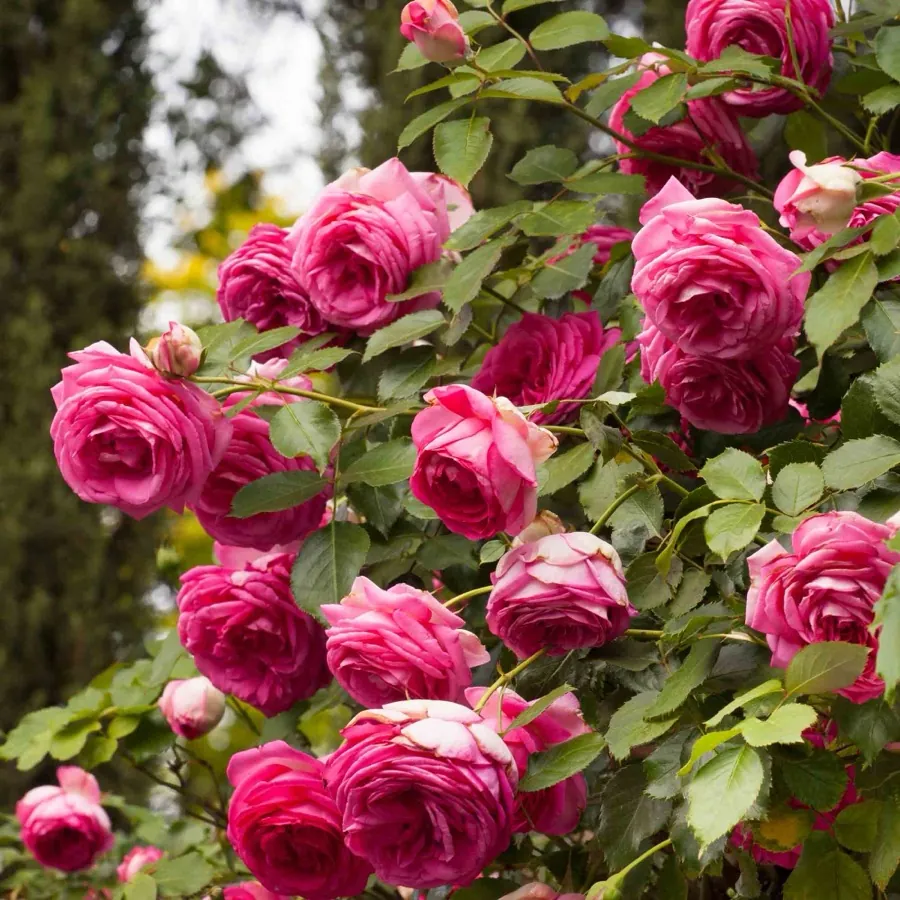
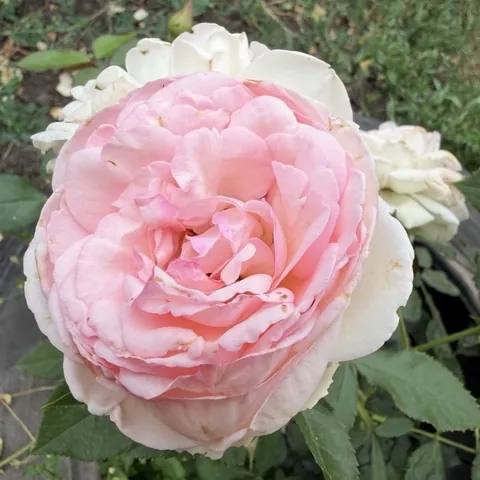
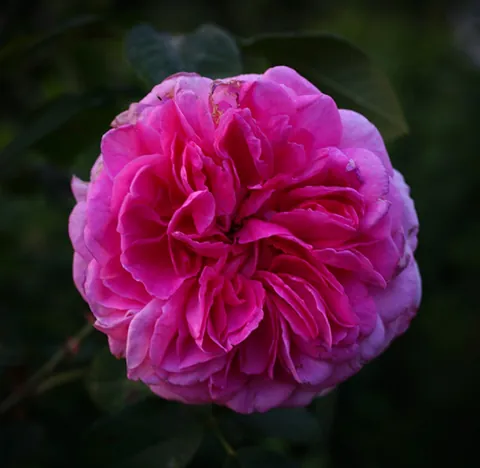
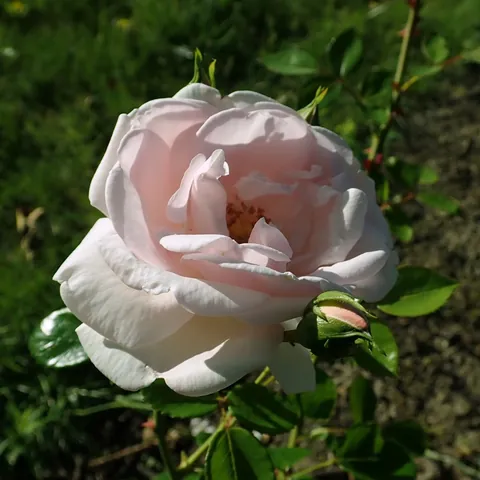
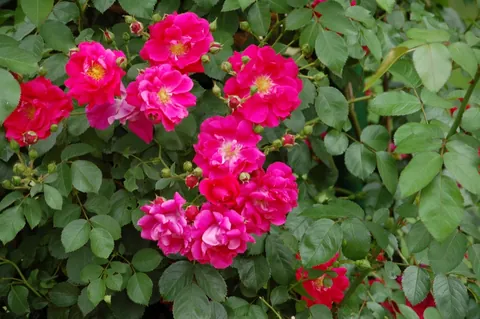




Cyclamen Pierre de Ronsard, close-up of the flower
Photo: official nursery Heirloom Roses (USA, 'Pretty in Pink Eden')
Back to catalogue
Large-Flowered Climber; a large climber; colour sport of Pierre de RonsardReg Tomerlin (sport); Star Roses & Plants, 2015Pink

Cyclamen Pierre de Ronsard

A brighter ‘twin’ of the famous Pierre de Ronsard; saturated cyclamen-pink instead of pastel cream; 🇺🇸 found as a spontaneous mutation by Reggie Tomerlin (USA); inherited the form, resistance and repeat flowering of the parent Eden.

A sport of the legendary Eden (WFRS Hall of Fame 2006)

Variety profile

Flowering

Repeat, in flushes

Repeat-flowering, in flushes from late spring to frosts. Months are approximate, for the climate of Ukraine.

Legacy

WFRS HoF 2006

A sport of Eden, 'the world's best-loved rose'

Winter hardiness

−26 °C

USDA zone 5–10. All of Ukraine without winter protection.

Compare reference temperatures

Plant size

250–300 × 100–250 cm
person 170 cm250–300 cm
Habit
Vertical, vigorous climber; the form of the parent Eden
Dimensions
2.5–3 m tall × 1–2.5 m wide (in a warm climate up to 3–3.6 m) – a large climber for arches, walls, pergolas
Support
Needs support: trellis, pergola, wall, arch, fence
Shoots
Sturdy; better trained horizontally for maximum flowering
Branching
Sturdy vigorous shoots; grows well on its own roots (own-root)

Flower

10–12 cm
Bud shape
Round, saturated pink
Open flower
Cupped / globular rosette of the old ‘Eden’ type
Centre
Densely set, a deeper pink; the centre darker than the original
Fullness
70–80 petals (very full) – 10–15 more than the parent Eden (~55–65)
Flower carriage
Mostly large flowers borne singly

Fragrance

Light

Light (mild) – according to some sources slightly stronger than the original.

Disease resistance

5 out of 5
Black spotresistantPowdery mildewresistant

High 5/5: good resistance to black spot and powdery mildew – no worse than the parent Eden.

Sun

Full sun

Light partial shade allowed.

Thorns

Moderate
thornlessfewmoderatemanyvery many

Medium number of thorns – as in the parent Pierre de Ronsard.

Foliage

Semi-glossy, light green, dense.

Other names

Pretty in Pink Eden, Pink Eden Rose, Margaret Mae
All characteristics in a table
Group
Large-Flowered Climber; a large climber; colour sport of Pierre de Ronsard
Breeder
Reg Tomerlin (sport); Star Roses & Plants, USA, 2015
Bud shape
Round, saturated pink
Open flower
Cupped / globular rosette of the old ‘Eden’ type
Centre
Densely set, a deeper pink; the centre darker than the original
Colour
Rich cyclamen-pink with a silvery, lighter reverse and cream-white edges to the outer petals. Compared with the original, brighter, with less cream
Fullness
70–80 petals (very full) – 10–15 more than the parent Eden (~55–65)
Flower carriage
Mostly large flowers borne singly
Flowering
Repeat-flowering, in flushes from late spring to frosts
Fragrance
Light (mild) – according to some sources slightly stronger than the original
Hips
As a repeat-flowerer, it is usually not left to set hips
Habit
Vertical, vigorous climber; the form of the parent Eden
Branching
Sturdy vigorous shoots; grows well on its own roots (own-root)
Shoots
Sturdy; better trained horizontally for maximum flowering
Thorns
Medium number of thorns – as in the parent Pierre de Ronsard.
Dimensions
2.5–3 m tall × 1–2.5 m wide (in a warm climate up to 3–3.6 m) – a large climber for arches, walls, pergolas
Support
Needs support: trellis, pergola, wall, arch, fence
Foliage
Semi-glossy, light green, dense
Resistance
High 5/5: good resistance to black spot and powdery mildew – no worse than the parent Eden
Variations of the variety
Colour sport of Eden = Pierre de Ronsard = Eden Rose 85 (Meilland, code MEIviolin). Synonyms: Pretty in Pink Eden, Pink Eden Rose, Margaret Mae. US Patent PP 20,953

Colour scheme

Rich cyclamen-pink with a silvery, lighter reverse and cream-white edges to the outer petals. Compared with the original, brighter, with less cream

Rose neighbours

Perennials to plant nearby

Neighbouring roses

A family of romantic climbers; beside the pale original, the effect of 'two shades of one variety':

Companion perennials

Blue, lavender and lime-green perennials at the base set off the rich pink:

lavenderwoodland sagecatmint (Nepeta)lady's mantle (Alchemilla)

Availability worldwide

A colour sport of the world-famous Eden:

  • 🇺🇸 USA: high · 'Pretty in Pink Eden' (Star Roses)
  • 🇫🇷 France: Meilland Richardier · 'Margaret Mae' (2017)
  • 🇪🇺 Europe: growing · romantic climbers
  • 🇺🇦 Ukraine: available to order from nurseries

More about the variety

Hips
As a repeat-flowerer, it is usually not left to set hips
Variations of the variety
Colour sport of Eden = Pierre de Ronsard = Eden Rose 85 (Meilland, code MEIviolin). Synonyms: Pretty in Pink Eden, Pink Eden Rose, Margaret Mae. US Patent PP 20,953

How to grow

Where to plant. On arches, pergolas, trellises, walls and fences; especially striking next to the pale original Pierre de Ronsard – a play of two shades of one variety; lovely for romantic ‘French’ corners.

Climate. All of Ukraine without winter protection (USDA 5–10, down to −26 °C); has inherited the heat and rain tolerance of the parent Eden.

Care. Full sun (light shade allowed); a sturdy support with horizontal training for maximum flowering; feeding 2–3× per season; pruning ⅓ in spring; minimal disease prevention thanks to high resistance.

About the name

Name. 'Cyclamen' – for a colour similar to the deep pink of the cyclamen flower. 'Pierre de Ronsard' – after Pierre de Ronsard (1524–1585), French poet of the Renaissance, the ‘prince of poets’ and leader of the Pléiade group. The European synonym 'Margaret Mae' is the name of the breeder's mother. Bred: colour sport (spontaneous mutation) of the variety Eden = Pierre de Ronsard (Meilland, Marie-Louise Meilland, 1985). The mutation was discovered by Reggie Joe (Reg) Tomerlin (USA) around 2002. US Patent PP 20,953 (2010). Commercial launch: in the USA – Star Roses & Plants (2015) as 'Pretty in Pink Eden'; in Europe – Meilland Richardier (2017) as 'Cyclamen Pierre de Ronsard / Margaret Mae'.

Significance. A sport of the 'most beloved rose in the world' (WFRS World's Favourite Rose, inducted into the Rose Hall of Fame in 2006). Cyclamen inherits all the fame of the parent Eden – form, resistance, repeat flowering – but in a brighter, more saturated pink. The ideal choice for those who find the original too pale.

Frequently asked questions about Cyclamen Pierre de Ronsard

Does Cyclamen Pierre de Ronsard need winter protection?

The cultivar’s reference temperature is −26 °C (USDA zone 5–10). Overwintering depends on the conditions. All of Ukraine without winter protection.

How many times a season does Cyclamen Pierre de Ronsard flower?

Repeat-flowering, in flushes from late spring to frosts.

How big does Cyclamen Pierre de Ronsard grow?

250–300 cm tall, 100–250 cm wide.

Which diseases affect Cyclamen Pierre de Ronsard?

Overall resistance: 5 out of 5. High; like the parent Eden.

How much sun does Cyclamen Pierre de Ronsard need?

Sun; full sun; light partial shade allowed.

What does Cyclamen Pierre de Ronsard smell like?

Light (mild) – according to some sources slightly stronger than the original.

Gardeners' photos and reviews

My climate

Choose a reference temperature to compare with the cultivar’s data. This is not an overwintering forecast or advice on winter protection; consider wind, moisture and the duration of frost.

Regional data are generalised. USDA describes average annual extreme minima, not a forecast; the values in the list are rounded. Check the conditions at your site. More information: Roses in Ukraine's climate.