




Back to catalogue
Shrub rose; NOT a climberTakunori Kimura, 2014Pink

Daphne

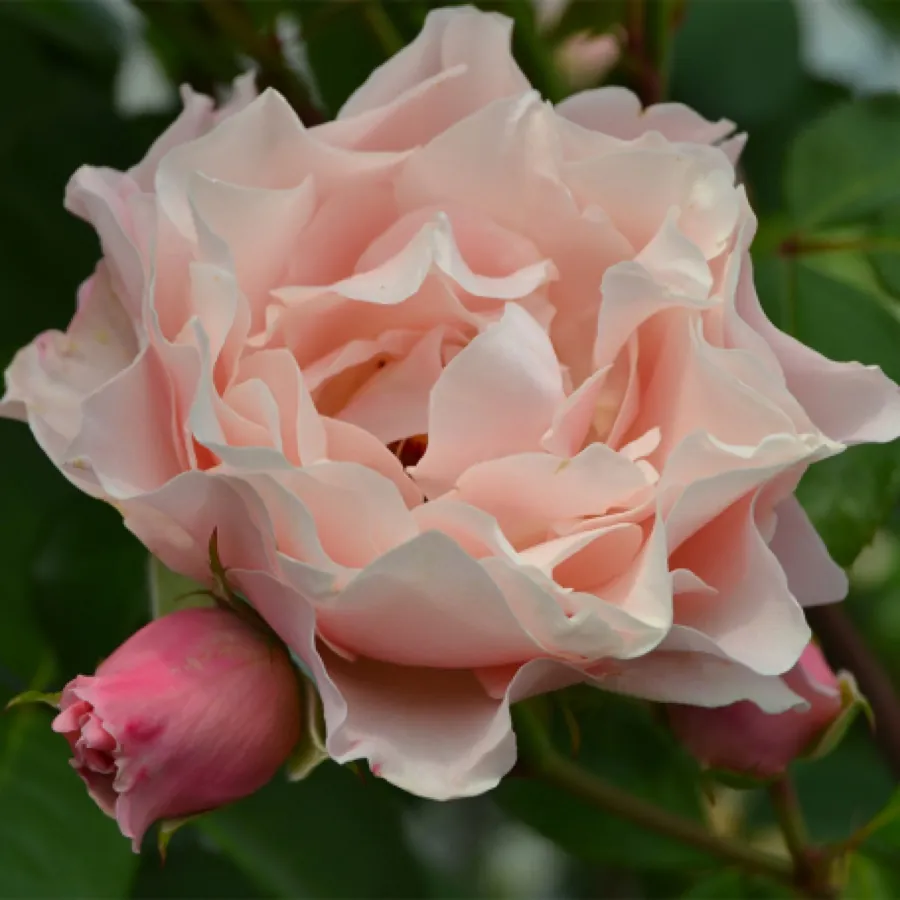
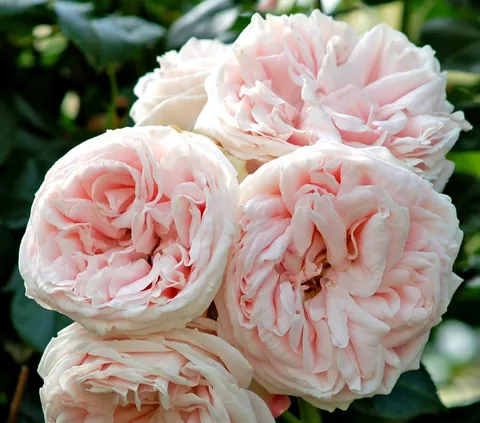
Japanese shrub rose: a soft pink flower that fades to PISTACHIO-GREEN.

Syn. Porcelaine d'Orient · colour shifts to pistachio

Variety profile

Flowering

Almost continuous

Feature

Changing colour

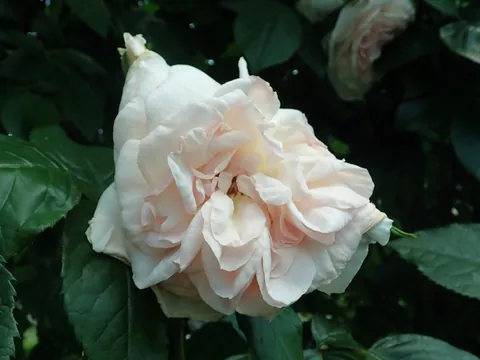
A rare effect: one bloom pink, another already pistachio-green

Winter hardiness

−23 °C

USDA zone 6. Down to about −23 °C; in Ukraine with protection. To ≈ −23 °C · in Ukraine, with winter protection.

Compare reference temperatures

Plant size

70–140 cm
person 170 cm70–140 cm
Habit
Compact bush
Dimensions
70–140 cm; it is a bush, not a climber
Support
NOT needed (it can be trained on an obelisk as a low climber)
Shoots
Short, sturdy
Branching
Dense

Flower

6–7 cm
Bud shape
Round, pink
Open flower
Cupped, with wavy, ruffled petals, 'Japanese style'; 6–7 cm
Centre
Dense
Fullness
Double, 17–25 petals
Flower carriage
Singly and in clusters
Colour play
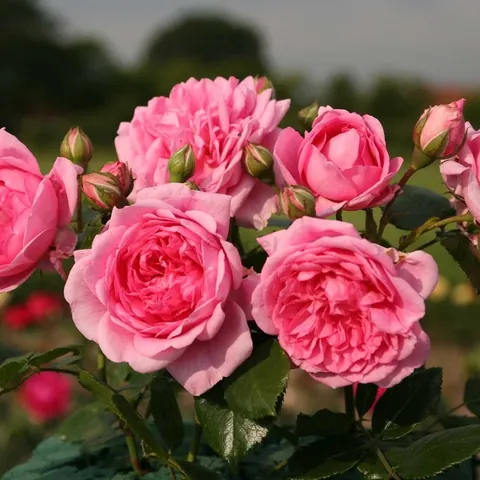
Most interesting: pink and light-green flowers on the same bush at once

Fragrance

Barely noticeable

Disease resistance

4.5 out of 5

Very good (4.5/5).

Sun

Almost continuous flowering

A green tint appears in the heat.

Foliage

Healthy.

Other names

Porcelaine d'Orient

Breeder's code KIMlaurel.

All characteristics in a table
Group
Shrub rose; NOT a climber
Breeder
Takunori Kimura, Japan, 2014
Bud shape
Round, pink
Open flower
Cupped, with wavy, ruffled petals, 'Japanese style'; 6–7 cm
Centre
Dense
Colour
Soft pink / salmon – cream – pistachio green in the heat
Fullness
Double, 17–25 petals
Flower carriage
Singly and in clusters
Flowering
Almost continuous
Fragrance
Barely noticeable
Colour play
Most interesting: pink and light-green flowers on the same bush at once
Habit
Compact bush
Branching
Dense
Shoots
Short, sturdy
Thorns
Moderate number of thorns.
Dimensions
70–140 cm; it is a bush, not a climber
Support
NOT needed (it can be trained on an obelisk as a low climber)
Foliage
Healthy
Resistance
Very good (4.5/5)
Use
Flower bed, border, container; cut flowers

Colour scheme

Soft pink / salmon – cream – pistachio green in the heat

Rose neighbours

Perennials to plant nearby

Neighbouring roses

Delicate pink varieties go well with the changeable Daphne.

Perennial companions

Blue and silvery perennials set off the pink-and-pistachio colour play:

catmint (Nepeta)sagelavenderlamb's ear

Contrasting accents

For a partner to the changeable Daphne — blue and silver:

catmint (Nepeta)lamb's earlavender

More about the variety

Use
Flower bed, border, container; cut flowers

How to grow

Where to plant. Flower bed, border, container, or for cutting. This is a BUSH of 70–140 cm, not suitable for a tall support.

Climate. ≈ USDA 6 (down to about −23 °C); in Ukraine with protection.

Care. Very healthy; the pistachio-green tint appears in hot weather.

About the name

Name. Daphne, a nymph in Greek mythology. Synonym: Porcelaine d'Orient ('Eastern porcelain').

Breeding. Takunori Kimura (Japan), 2014; code KIMlaurel. Home & Garden × French Lace.

Significance. A Japanese florist rose with a rare changing colour (pink to pistachio green). Although it is listed among climbers, this is a bush of 70–140 cm; the distributor itself writes 'grimpant: non' (climbing: no).

Frequently asked questions about Daphne

Does Daphne need winter protection?

The cultivar’s reference temperature is −23 °C (USDA zone 6). Overwintering depends on the conditions. Down to about −23 °C; in Ukraine with protection.

How many times a season does Daphne flower?

Almost continuous.

How big does Daphne grow?

70–140 cm tall.

Which diseases affect Daphne?

Overall resistance: 4.5 out of 5. 4.5 / 5; very healthy (all sources).

How much sun does Daphne need?

Sun; almost continuous flowering; a green tint appears in the heat.

What does Daphne smell like?

Barely noticeable.

Gardeners' photos and reviews

My climate

Choose a reference temperature to compare with the cultivar’s data. This is not an overwintering forecast or advice on winter protection; consider wind, moisture and the duration of frost.

Regional data are generalised. USDA describes average annual extreme minima, not a forecast; the values in the list are rounded. Check the conditions at your site. More information: Roses in Ukraine's climate.