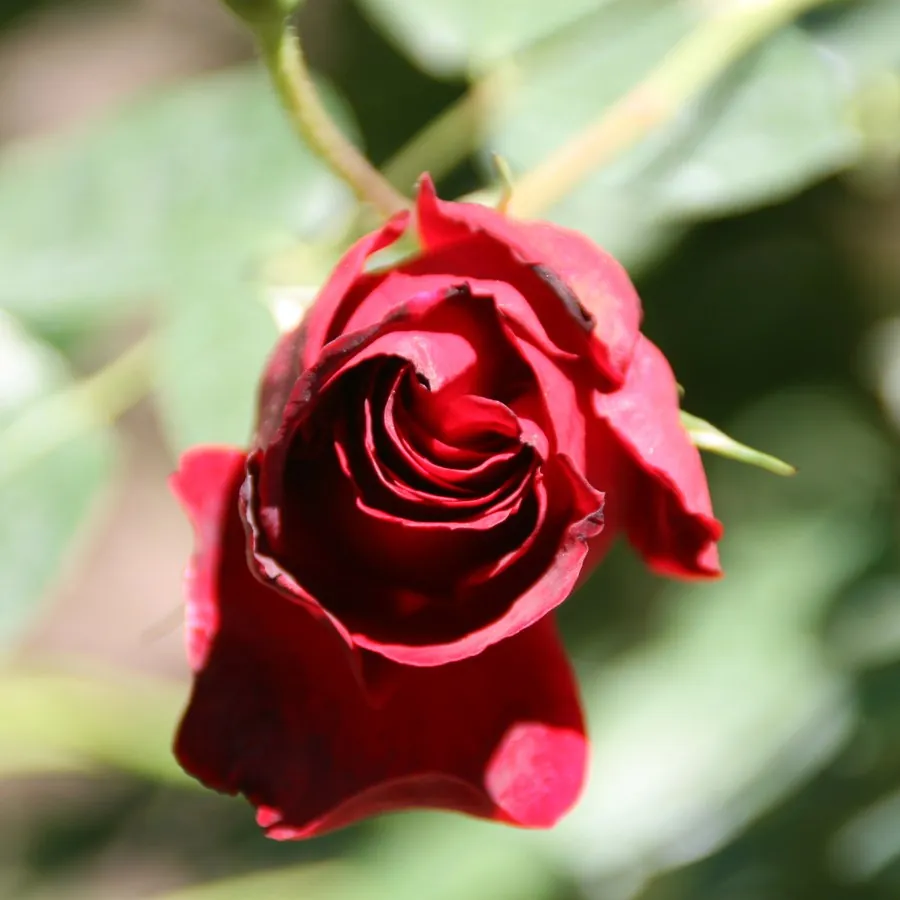
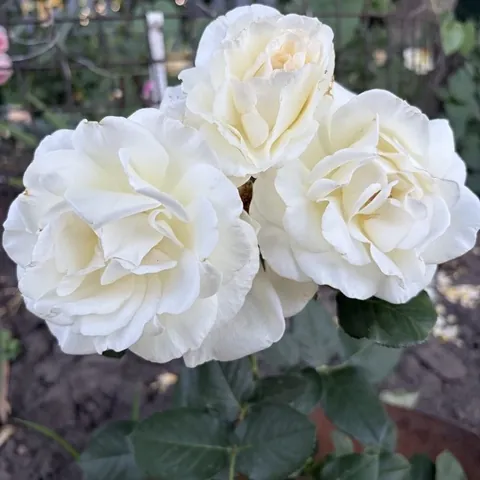



Dublin Bay, close-up of the flower
Photo: David J. Stang, CC BY-SA 4.0
Back to catalogue
Large-Flowered ClimberSam McGredy IV, 1975Red

Dublin Bay

A bright red climber that keeps its colour and hardly gets sick — one of the healthiest red climbers.

Large-flowered climber · needs support

Variety profile

Flowering

Repeat, in flushes

Repeat, in flushes until autumn. Months are approximate, for the climate of Ukraine.

Awards

Gold Medal, The Hague 1977

NZ Best Climber 1992 · RHS AGM 1993

Plant size

240–370 × 150 cm
person 170 cm240–370 cm
Habit
Compact for a climber; a moderately vigorous climber
Dimensions
Height 2.4–3.7 m (RHS ~1.5–2.5 m) × up to 1.5 m wide
Support
Yes — needs a mandatory support. A wall or a wide trellis is better than a narrow column — the variety needs space to spread its canes horizontally
Shoots
Stiff, hold their shape well on a wall or trellis

Flower

9–10 cm
Bud shape
Bright red, neat
Open flower
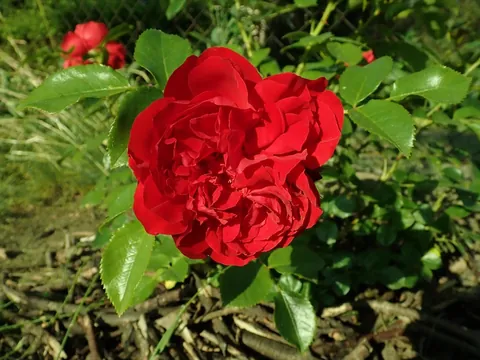
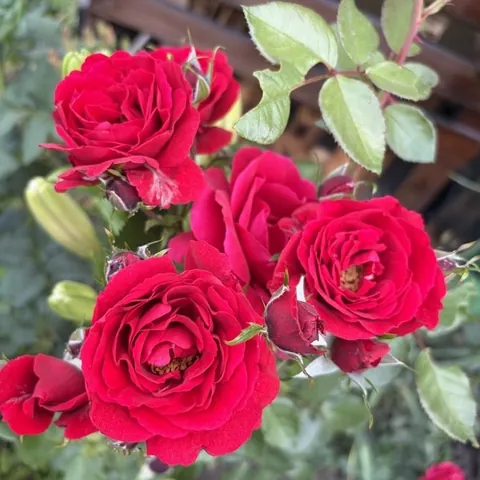
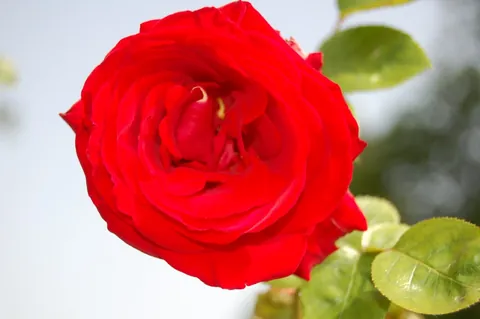
Double, cupped-open; diameter ~9–10 cm; borne in clusters
Fullness
Double, 17–25 petals
Flower carriage
In clusters of several flowers on each cane

Fragrance

Weak

Weak, a light fruity note; the variety is valued for its looks and abundant flowering rather than its scent.

Disease resistance

5 out of 5

Very high — one of the healthiest red climbing roses; the leaves are rarely affected by disease.

Sun

Full sun for abundant repeat flowering in flushes until autumn

Thorns

Moderate
thornlessfewmoderatemanyvery many

Moderately prickly — typical for large-flowered climbers; no exact figure is recorded in open sources.

Foliage

Glossy, dark green.

Other names

Breeder's code MACdub.

All characteristics in a table
Group
Large-Flowered Climber
Breeder
Sam McGredy IV, 1975
Bud shape
Bright red, neat
Open flower
Double, cupped-open; diameter ~9–10 cm; borne in clusters
Colour
Bright red (bright crimson) with a darker petal edge; does not turn pink, keeps its colour throughout the flowering
Fullness
Double, 17–25 petals
Flower carriage
In clusters of several flowers on each cane
Flowering
Repeat, in flushes until autumn
Fragrance
Weak, a light fruity note; the variety is valued for its looks and abundant flowering rather than its scent
Habit
Compact for a climber; a moderately vigorous climber
Shoots
Stiff, hold their shape well on a wall or trellis
Thorns
Moderately prickly — typical for large-flowered climbers; no exact figure is recorded in open sources.
Dimensions
Height 2.4–3.7 m (RHS ~1.5–2.5 m) × up to 1.5 m wide
Support
Yes — needs a mandatory support. A wall or a wide trellis is better than a narrow column — the variety needs space to spread its canes horizontally
Foliage
Glossy, dark green
Resistance
Very high — one of the healthiest red climbing roses; the leaves are rarely affected by disease

Colour scheme

Bright red (bright crimson) with a darker petal edge; does not turn pink, keeps its colour throughout the flowering

Rose neighbours

Perennials to plant nearby

Rose neighbours

For a monochrome red wall, other red climbers; for a contrast play, a white climber:

Perennials and clematis

Blue-lavender carpet at the base + partner clematis to weave through the support:

lavendercatmint 'Faassen'salvia 'Caradonna'delphiniumclematis

Contrast accents

White verticals and silver foliage give the bright red wall an accent:

Gypsophilasilver wormwoodlady's mantle (Alchemilla)lamb's ear (Stachys byzantina)

How to grow

Where to plant. Walls, wide wall trellises, pergolas, fences. A support is essential, and a wall or a wide trellis is better than a narrow column — the variety needs space to spread its canes. Compact among climbers (2.4–3.7 m), so it also suits smaller gardens.

Climate. Withstands frosts down to about −20…−23 °C, USDA 6b–9b, RHS H6. In Ukraine the canes are taken down from the support for winter, bent to the ground and covered.

Care. Full sun for abundant repeat flowering in flushes until autumn. Tying in the long canes horizontally encourages flower buds along their whole length. Thanks to its very high disease resistance, few preventive sprays are needed.

About the name

Name. 'Dublin Bay' is named after Dublin Bay (Ireland), the breeder's homeland.

Breeding. Bred by the Irish breeder Sam McGredy IV in 1969, introduced in 1975. Breeding code MACdub. Parents: Bantry Bay × Altissimo. Class: large-flowered climber (Large-Flowered Climber).

Significance. One of the healthiest red climbers, which keeps its bright red colour and does not turn pink. It won a gold medal in The Hague (1977), the Best Climber of New Zealand title (1992) and the RHS Award of Garden Merit (1993). The variety is valued for its looks and abundant repeat flowering rather than its scent — the scent of 'Dublin Bay' is weak.

Frequently asked questions about Dublin Bay

How many times a season does Dublin Bay flower?

Repeat, in flushes until autumn.

How big does Dublin Bay grow?

240–370 cm tall, about 150 cm wide.

Which diseases affect Dublin Bay?

Overall resistance: 5 out of 5. Very high; glossy dark green foliage; one of the healthiest red climbers.

How much sun does Dublin Bay need?

Full sun; full sun for abundant repeat flowering in flushes until autumn.

What does Dublin Bay smell like?

Weak, a light fruity note; the variety is valued for its looks and abundant flowering rather than its scent.

Gardeners' photos and reviews

My climate

Choose a reference temperature to compare with the cultivar’s data. This is not an overwintering forecast or advice on winter protection; consider wind, moisture and the duration of frost.

Regional data are generalised. USDA describes average annual extreme minima, not a forecast; the values in the list are rounded. Check the conditions at your site. More information: Roses in Ukraine's climate.