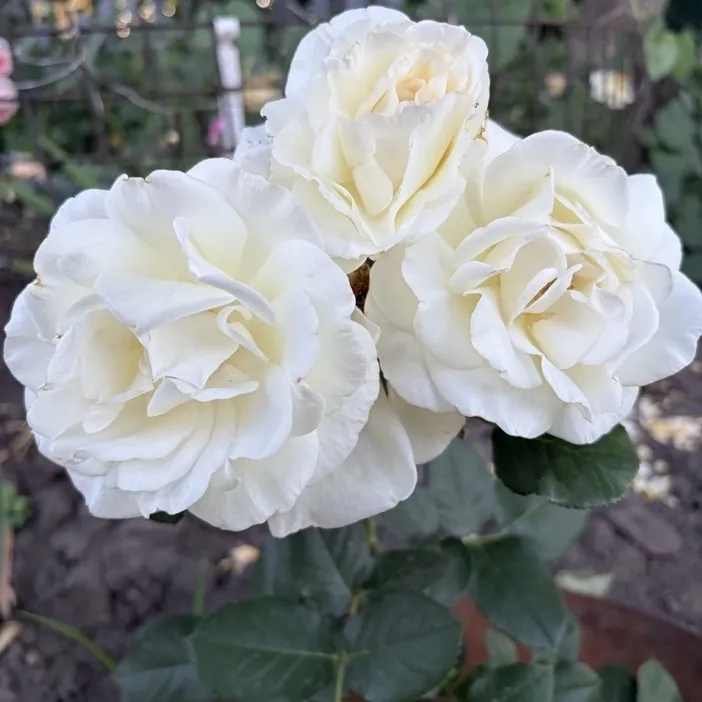
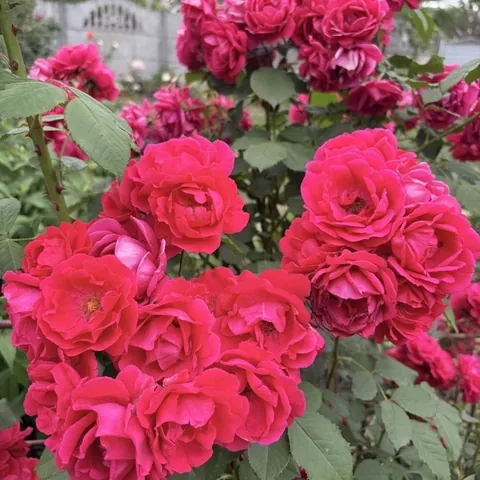
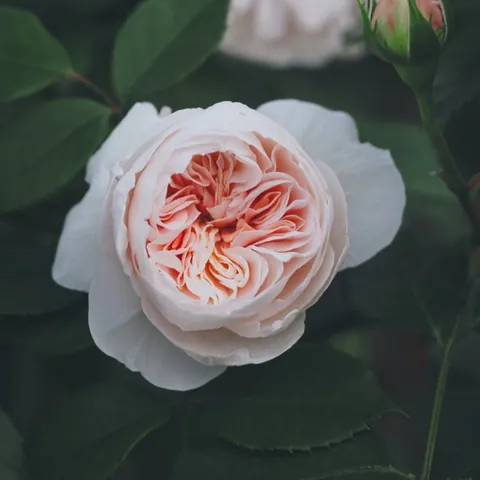
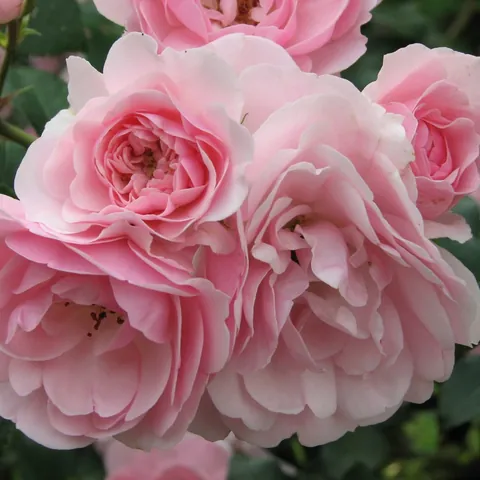


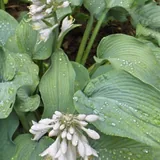


Schneewalzer, close-up of the flower
Back to catalogue
Large-Flowered Climber; a white climber with a HT-form flowerHans Jürgen Evers; Rosen Tantau, 1987White and cream

Schneewalzer

Snow-white HT-form flowers of large size (14 cm) on a climber: a rare combination; 'Snow Waltz' is a poetic name describing the graceful movement of white flowers in a light breeze; NZ Certificate of Merit 1991; bred by Hans-Jürgen Evers (Tantau), the same breeder as Santana, Sahara and Sonnenschirm.

New Zealand Certificate of Merit 1991 · NZ Patent 907 (1994)

Variety profile

Flowering

Repeat flowering

Repeat flowering from June to October. Months are approximate, for the climate of Ukraine.

Legacy

NZ Cert 1991

Large Hybrid Tea-type flowers on a climber

Winter hardiness

−23 °C

USDA zone 6b-9b. Ukraine: Centre / South.

Compare reference temperatures

Plant size

200–300 × 150 cm
person 170 cm200–300 cm
Habit
Upright climber of medium vigour
Dimensions
200-300 cm tall × around 150 cm wide: a full-sized climber for arches, pergolas and walls
Support
Needs a support: arch, pergola, wall or trellis
Shoots
Sturdy; they hold the large flowers level
Branching
Well branched

Flower

≈ 14 cm

17-25 petals.

Bud shape
Long, pointed HT-type outline, unusual for climbers
Open flower
Goblet-shaped, large HT-form flower: around 14 cm (5.5"), 17-25 petals. A rare combination of a large HT-type flower on a climbing bush
Centre
Tightly packed, goblet-like
Fullness
17-25 petals (semi-double to medium-full)
Flower carriage
Mostly singly or in small clusters of 2-3

Fragrance

Moderate; spicy HT-type

Moderate spicy HT-type: a rarity for white climbers.

Disease resistance

3.5 out of 5
Black spotmoderate

Moderate, 3.5/5: typical of climbers from the 80s; needs moderate prevention against black spot. USDA 6b-9b: Ukraine Centre / South without winter protection.

Sun

Full sun

Thorns

Moderate
thornlessfewmoderatemanyvery many

Moderate number of thorns, typical of Tantau climbers.

Foliage

Dark green, semi-glossy.

All characteristics in a table
Group
Large-Flowered Climber; a white climber with a HT-form flower
Breeder
Hans Jürgen Evers; Rosen Tantau, Germany, 1987
Bud shape
Long, pointed HT-type outline, unusual for climbers
Open flower
Goblet-shaped, large HT-form flower: around 14 cm (5.5"), 17-25 petals. A rare combination of a large HT-type flower on a climbing bush
Centre
Tightly packed, goblet-like
Colour
Snow-white with a very pale lemon tint; pure white in the heat, with a creamy tinge in cooler weather
Fullness
17-25 petals (semi-double to medium-full)
Flower carriage
Mostly singly or in small clusters of 2-3
Flowering
Repeat flowering from June to October
Fragrance
Moderate spicy HT-type: a rarity for white climbers
Hips
Not documented; typically cut off
Habit
Upright climber of medium vigour
Branching
Well branched
Shoots
Sturdy; they hold the large flowers level
Thorns
Moderate number of thorns, typical of Tantau climbers.
Dimensions
200-300 cm tall × around 150 cm wide: a full-sized climber for arches, pergolas and walls
Support
Needs a support: arch, pergola, wall or trellis
Foliage
Dark green, semi-glossy
Resistance
Moderate, 3.5/5: typical of climbers from the 80s; needs moderate prevention against black spot. USDA 6b-9b: Ukraine Centre / South without winter protection
Variations of the variety
Code TANrezlaw. Introduced 1987 through Rosen Tantau. Breeder: Hans-Jürgen Evers. NZ Patent No. 907 (1994). Evers created a whole line of poetic and musical names at Tantau: Santana, Sonnenschirm, Schneewalzer, Sahara

Colour scheme

Snow-white with a very pale lemon tint; pure white in the heat, with a creamy tinge in cooler weather

Rose neighbours

Perennials to plant nearby

Neighbouring roses

Contrasting climbers — for architectural compositions:

Perennial companions

Cool tones for a classic “white” corner:

lavenderhostalady's mantle (Alchemilla)sage (Salvia)

Availability worldwide

A classic Tantau climber from the 80s:

🇩🇪 Germany: high · country of origin🇳🇿 New Zealand: high · NZ Cert 1991🇪🇺 Europe: moderate🇺🇦 Ukraine: moderate

More about the variety

Hips
Not documented; typically cut off
Variations of the variety
Code TANrezlaw. Introduced 1987 through Rosen Tantau. Breeder: Hans-Jürgen Evers. NZ Patent No. 907 (1994). Evers created a whole line of poetic and musical names at Tantau: Santana, Sonnenschirm, Schneewalzer, Sahara

How to grow

Where to plant. On an arch or pergola as a white, showy accent; on a house wall; beside a bench, for its noticeable scent; in a 'white' or moonlit garden; as a backdrop for dark green shrubs.

Climate. Ukraine Centre / South without winter protection (USDA 6b-9b); copes well with summer heat.

Care. Full sun; moderate disease prevention; feed 2-3 times per season; in spring prune weak shoots, keeping the main framework canes for 3-5 years.

About the name

Name. 'Schneewalzer' = 'Snow Waltz' (German). The poetic, musical name describes the graceful movement of white flowers in a light breeze, like dancers in white gowns at a Viennese waltz. A musical theme typical of Hans-Jürgen Evers (as with Santana, the band, and Sonnenschirm, the parasol).

Breeding. Bred by Hans-Jürgen Evers at Rosen Tantau (Uetersen, Germany). Code TANrezlaw (an anagram of the name). Introduced 1987. NZ Patent No. 907 (1994). Evers created a whole line of poetic, musical and geographic names at Tantau: Santana (1985), Schneewalzer (1987), Sonnenschirm (1988/1993), Sahara (1988/1996), each name a small poetic gesture.

Significance. New Zealand Certificate of Merit 1991, a prestigious award from the New Zealand rose society. A rare combination of a large HT-form flower on a climber: most climbers have smaller flowers, but this one has full 14 cm goblet-shaped blooms of the Hybrid Tea type. A moderate, spicy HT-type scent, a rarity for white climbers, which usually have little scent. Evers' legacy: his Tantau varieties of the 80s and 90s set the standard for modern German climbers and shrub roses. There are no ADR/AARS/RHS AGM awards: Schneewalzer is valued above all for its flower form and scent, not for competition wins. Moderate resistance, 3.5/5, typical of 80s climbers; it needs disease prevention.

Frequently asked questions about Schneewalzer

Does Schneewalzer need winter protection?

The cultivar’s reference temperature is −23 °C (USDA zone 6b−9b). Overwintering depends on the conditions. Ukraine: Centre / South.

How many times a season does Schneewalzer flower?

Repeat flowering from June to October.

How big does Schneewalzer grow?

200–300 cm tall, about 150 cm wide.

Which diseases affect Schneewalzer?

Overall resistance: 3.5 out of 5. 3.5 / 5; moderate, typical of climbers from the 80s.

How much sun does Schneewalzer need?

Sun; full sun.

What does Schneewalzer smell like?

Moderate spicy HT-type: a rarity for white climbers.

Gardeners' photos and reviews

My climate

Choose a reference temperature to compare with the cultivar’s data. This is not an overwintering forecast or advice on winter protection; consider wind, moisture and the duration of frost.

Regional data are generalised. USDA describes average annual extreme minima, not a forecast; the values in the list are rounded. Check the conditions at your site. More information: Roses in Ukraine's climate.