


Back to catalogue
Climber; large-floweredTantau; Christian Evers, 2010Yellow

Dukat

TAN03542; trade synonym Lancelot (UK); a modern bright yellow climber from the Evers breeding line.

Classic Climbing Roses · Tantau

Variety profile

Flowering

Repeat, in generous waves all season

Awards

St. Albans

Certificate of Merit · UK

Winter hardiness

−23 °C

USDA zone 6b–9. All of Ukraine with light protection.

Compare reference temperatures

Plant size

200–300 × 100–150 cm
person 170 cm200–300 cm
Habit
A climber with flexible long canes — forms well on a support
Dimensions
200–300 cm high × 100–150 cm wide
Support
Needs support — arch, pergola, wall trellis, south-facing wall
Shoots
Long, flexible — easy to bend horizontally
Branching
Good; over time forms a sturdy framework

Flower

8–10 cm
Bud shape
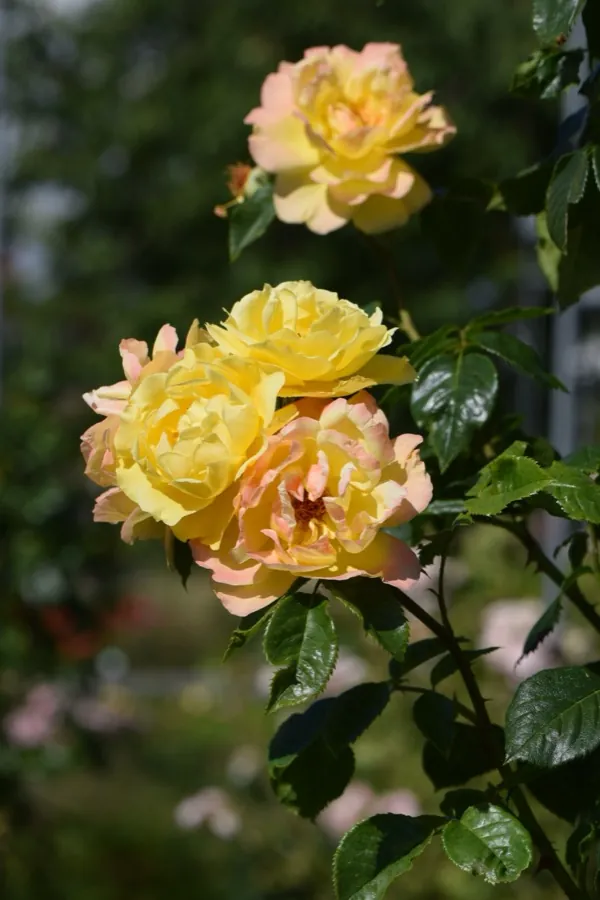
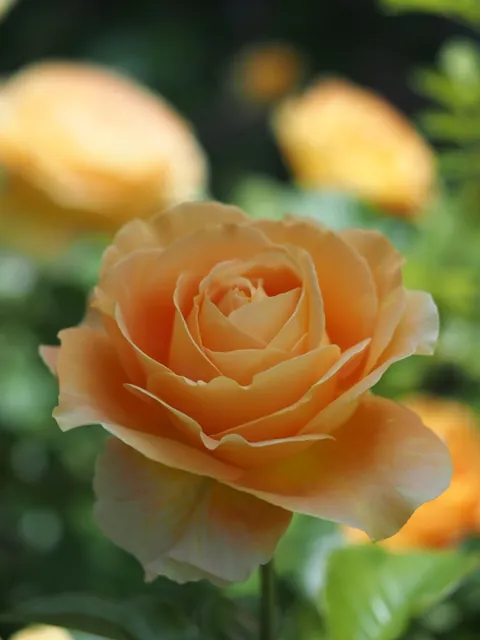
Round-conical, deep golden yellow
Open flower
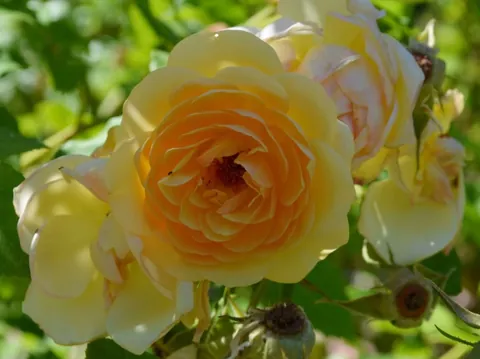
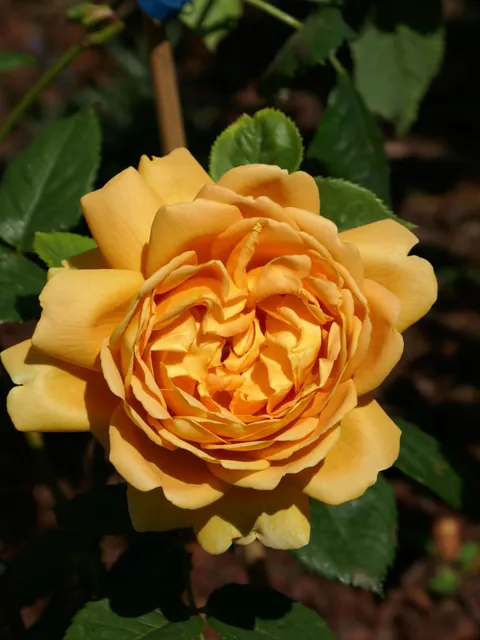
Turbine-shaped; when open, a flat cup with an open centre; diameter 8–10 cm
Centre
Open, with noticeable reddish stamens — a characteristic feature
Fullness
Loosely double (loosely double), 17–25 petals
Flower carriage
In small clusters on each cane

Fragrance

Moderate

Moderate — sweet, fruity (sweet & fruity), pleasantly expressed.

Disease resistance

4.5 out of 5
Black spotresistantPowdery mildewresistant

4.5/5 — Tantau claims excellent resistance to black spot and powdery mildew.

Sun

Full sun for abundant flowering and a rich yellow

Thorns

Moderate
thornlessfewmoderatemanyvery many

Moderate prickles.

Foliage

Dark green, glossy, healthy.

Other names

Lancelot
All characteristics in a table
Group
Climber; large-flowered
Breeder
Tantau; Christian Evers, 2010
Bud shape
Round-conical, deep golden yellow
Open flower
Turbine-shaped; when open, a flat cup with an open centre; diameter 8–10 cm
Centre
Open, with noticeable reddish stamens — a characteristic feature
Colour
Dark golden yellow in bud — opens bright yellow — then fades to a buttery yellow
Fullness
Loosely double (loosely double), 17–25 petals
Flower carriage
In small clusters on each cane
Flowering
Repeat, in generous waves all season
Fragrance
Moderate — sweet, fruity (sweet & fruity), pleasantly expressed
Hips
Formed after the last flush of flowering
Habit
A climber with flexible long canes — forms well on a support
Branching
Good; over time forms a sturdy framework
Shoots
Long, flexible — easy to bend horizontally
Thorns
Moderate prickles.
Dimensions
200–300 cm high × 100–150 cm wide
Support
Needs support — arch, pergola, wall trellis, south-facing wall
Foliage
Dark green, glossy, healthy
Resistance
4.5/5 — Tantau claims excellent resistance to black spot and powdery mildew
Variations of the variety
Trade synonym in the UK — Lancelot ®; technical name Klet Du 65. EU registration EU34901 (granted 22.04.2013)

Colour scheme

Dark golden yellow in bud — opens bright yellow — then fades to a buttery yellow

Rose neighbours

Perennials to plant nearby

Rose neighbours and clematis

Yellow family + violet clematis for contrast; notably Candlelight (also by Evers!), making a duo from the breeder's own dynasty:

Graham ThomasCrocus RoseClematis 'Étoile Violette'Candlelight (Evers!)

Companion perennials

Classic English underplanting for a yellow climber — blue-violet + yellow-green foliage:

Nepeta 'Six Hills Giant'Lavandula 'Munstead'Alchemilla mollisHosta 'Sum and Substance'

Availability worldwide

Strong European presence, sold in the UK as 'Lancelot':

  • 🇩🇪 Europe: Tantau · Agel Rosen · Rosenpark Draeger · UK as 'Lancelot'
  • 🇺🇸 USA: limited availability
  • 🇯🇵 Asia: moderate, via European exports
  • 🇺🇦 Ukraine: specialist climbing-rose nurseries · imported from Germany

More about the variety

Hips
Formed after the last flush of flowering
Variations of the variety
Trade synonym in the UK — Lancelot ®; technical name Klet Du 65. EU registration EU34901 (granted 22.04.2013)

How to grow

Where to plant. Arches, pergolas, trellises, south and west-facing house walls — a rare hardy yellow climber, an adornment for the sunny side of the garden; paired with purple clematis it makes a dramatic contrast to the sunny yellow.

Climate. Down to −23 °C — suitable for all of Ukraine with light protection in northern regions.

Care. Pruning of climbers is minimal; it is important to train the main canes horizontally for abundant side flowering. Needs almost no chemical protection.

About the name

Name. 'Dukat' — German for 'ducat', the name of an old gold coin that circulated in Europe from the XIII century. The name conveys the shining gold of the flower exactly.

Breeding. IMPORTANT: this is a modern climber (2010), not an old rose (a common misunderstanding). Bred by Christian Evers at Rosen Tantau (Uetersen, Germany), 1999; introduced in 2010. Patent code TAN03542, EU registration EU34901 (granted 22 April 2013). Parentage is not disclosed. Part of Tantau's Classic Climbing Roses series. Trade synonym in the UK — Lancelot ®.

Significance. A modern yellow climbing rose of Tantau's new generation — combines a bright yellow (rare among hardy climbers) with fragrance and health. Received the St. Albans Certificate of Merit (UK). Belongs to the Evers breeding dynasty together with 'Candlelight', 'Cappuccino' and 'Chippendale' — this is Christian Evers, son and successor of Hans Jürgen Evers (the Tantau-breeder dynasty).

Frequently asked questions about Dukat

Does Dukat need winter protection?

The cultivar’s reference temperature is −23 °C (USDA zone 6b–9). Overwintering depends on the conditions. All of Ukraine with light protection.

How many times a season does Dukat flower?

Repeat, in generous waves all season.

How big does Dukat grow?

200–300 cm tall, 100–150 cm wide.

Which diseases affect Dukat?

Overall resistance: 4.5 out of 5. 4.5 / 5; excellent resistance to black spot and powdery mildew.

How much sun does Dukat need?

Sun; full sun for abundant flowering and a rich yellow.

What does Dukat smell like?

Moderate — sweet, fruity (sweet & fruity), pleasantly expressed.

Gardeners' photos and reviews

My climate

Choose a reference temperature to compare with the cultivar’s data. This is not an overwintering forecast or advice on winter protection; consider wind, moisture and the duration of frost.

Regional data are generalised. USDA describes average annual extreme minima, not a forecast; the values in the list are rounded. Check the conditions at your site. More information: Roses in Ukraine's climate.