


Back to catalogue
Hybrid Tea; WFRS Hall of Fame 2006Patrick Dickson; Dickson RosesYellow

Elina

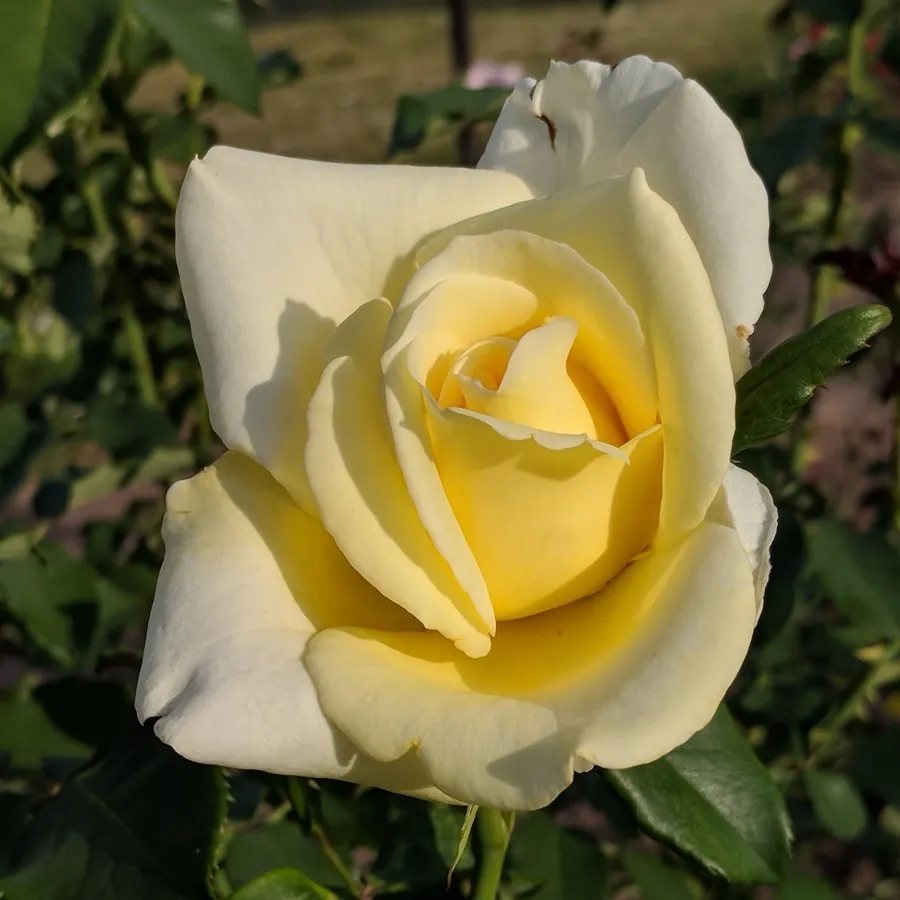
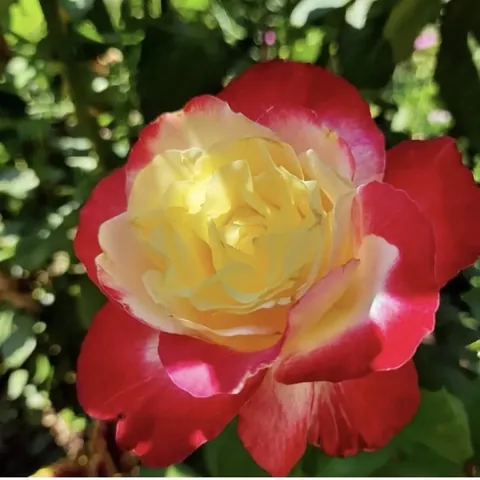
Pale yellow with a creamy, ivory sheen, the centre a slightly warmer yellow, in classic HT form; WFRS Hall of Fame 2006; one of the most resistant HTs, especially to black spot and powdery mildew; 🇮🇪 bred by Patrick Dickson (Dickson family, Northern Ireland); 🇫🇷 sold in the UK and France as Peaudouce.

WFRS HoF 2006 · Northern Irish Dickson — one of the most resilient HTs

Variety profile

Flowering

Repeat flowering

Generous repeat flowering from June to October. Months are approximate, for the climate of Ukraine.

Legacy

WFRS HoF 2006

Dickson, Ireland

Winter hardiness

−23 °C

USDA zone 6-9. Ukraine: Centre/South.

Compare reference temperatures

Plant size

120–150 × 60–90 cm
person 170 cm120–150 cm
Habit
Compact, upright — classic HT
Dimensions
120–150 cm high × 60–90 cm wide — compact, upright
Support
Not needed — self-supporting
Shoots
Sturdy, straight — good for cutting
Branching
Well branched

Flower

≈ 15 cm

17-35 petals.

Bud shape
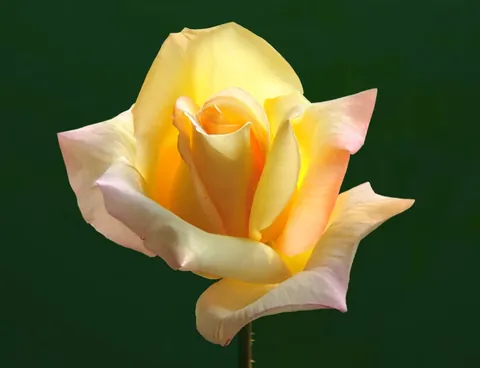
Long, pointed, pale yellow
Open flower
Classic HT, high-centred: 15 cm, 17–35 petals
Centre
Tightly packed, 'goblet-shaped', a slightly warmer yellow tone
Fullness
17–35 petals (medium-full)
Flower carriage
Singly, on a long stem — an ideal cut flower

Fragrance

Light to moderate

Light to moderate — typical Dickson-quality.

Disease resistance

5 out of 5
Black spotresistantPowdery mildewresistant

Benchmark 5/5 — one of the most resistant HTs, especially to black spot and powdery mildew. USDA 6–9 (with protection — 5) — winters easily across Ukraine with minimal protection.

Sun

Full sun

Thorns

Moderate
thornlessfewmoderatemanyvery many

Moderate number of prickles — typical for HTs.

Foliage

Dark green, dense, glossy, VERY HEALTHY — typical Dickson-quality.

Other names

Peaudouce
All characteristics in a table
Group
Hybrid Tea; WFRS Hall of Fame 2006
Breeder
Patrick Dickson; Dickson Roses, Northern Ireland
Bud shape
Long, pointed, pale yellow
Open flower
Classic HT, high-centred: 15 cm, 17–35 petals
Centre
Tightly packed, 'goblet-shaped', a slightly warmer yellow tone
Colour
Pale yellow with a creamy, ivory sheen; centre a slightly warmer yellow. Does not fade to white in heat — a rare quality for yellow HTs
Fullness
17–35 petals (medium-full)
Flower carriage
Singly, on a long stem — an ideal cut flower
Flowering
Generous repeat flowering from June to October
Fragrance
Light to moderate — typical Dickson-quality
Hips
Not documented — usually cut
Habit
Compact, upright — classic HT
Branching
Well branched
Shoots
Sturdy, straight — good for cutting
Thorns
Moderate number of prickles — typical for HTs.
Dimensions
120–150 cm high × 60–90 cm wide — compact, upright
Support
Not needed — self-supporting
Foliage
Dark green, dense, glossy, VERY HEALTHY — typical Dickson-quality
Resistance
Benchmark 5/5 — one of the most resistant HTs, especially to black spot and powdery mildew. USDA 6–9 (with protection — 5) — winters easily across Ukraine with minimal protection
Variations of the variety
Code DICjana. Bred 1983, introduced in the UK 1984. Breeder: Patrick Dickson (Dickson family — one of the oldest British breeding houses, founded in 1836). Parentage: 'Nana Mouskouri' (Dickson 1975, white floribunda) × 'Lolita' (Kordes 1972, apricot HT). Synonym 'Peaudouce' in the UK and France (from French peau douce — 'soft skin')

Colour scheme

Pale yellow with a creamy, ivory sheen; centre a slightly warmer yellow. Does not fade to white in heat — a rare quality for yellow HTs

Rose neighbours

Perennials to plant nearby

Rose neighbours

'Yellow WFRS HoF' collection:

Companion perennials

Classic English cottage palette:

lavenderhostalady's mantlesalvia

Availability worldwide

⭐⭐⭐ WFRS HoF 2006 — benchmark for resilient HTs:

🇬🇧 UK: VERY HIGH · as 'Peaudouce'🇮🇪 N. Ireland: VERY HIGH · homeland🇪🇺 Europe: high🇺🇦 Ukraine: moderate

More about the variety

Hips
Not documented — usually cut
Variations of the variety
Code DICjana. Bred 1983, introduced in the UK 1984. Breeder: Patrick Dickson (Dickson family — one of the oldest British breeding houses, founded in 1836). Parentage: 'Nana Mouskouri' (Dickson 1975, white floribunda) × 'Lolita' (Kordes 1972, apricot HT). Synonym 'Peaudouce' in the UK and France (from French peau douce — 'soft skin')

How to grow

Where to plant. As an accent in a bed thanks to its 15 cm flowers; for cutting on long stems; in the 'WFRS HoF' collection alongside Peace and Graham Thomas; in organic gardens thanks to its 5/5 resistance; as a front-row plant in the transition to other HTs.

Climate. Ukraine Centre/South without protection (USDA 6–9, with protection 5); winters easily across Ukraine with minimal protection.

Care. Minimal, thanks to its 5/5 resistance: full sun; feed 2–3 times per season; prune by one third in spring.

About the name

Name. 'Elina' — a poetic female name with no specific dedication. The synonym 'Peaudouce' (French peau douce = 'soft skin') is used in the UK and France as a trade name describing the gentle cream tone of the petals, as soft as silky skin. A typical Dickson-marketing strategy: two names for different markets.

Breeding. Bred by Patrick Dickson (Dickson family, Northern Ireland). Code DICjana. Bred in 1983, introduced in the UK in 1984. Parentage: 'Nana Mouskouri' (Dickson 1975, white floribunda) × 'Lolita' (Kordes 1972, apricot HT). Dickson Roses is one of the oldest British breeding houses, founded in 1836 by Alexander Dickson I.

Significance. WFRS HALL OF FAME 2006 — officially confirmed. One of the most resistant HTs, especially to black spot and powdery mildew — top quality for gardens without chemical treatments. Dark green, dense, glossy, VERY HEALTHY foliage — typical Dickson genetics. Does not fade to white in heat — a rare quality for yellow HTs. Two international names: Elina (most countries) and Peaudouce (UK and France). The Dickson Roses heritage since 1836 links the variety to a 190-year-old dynasty. The 15 cm flowers in classic HT form make it a large flower for a yellow HT.

Frequently asked questions about Elina

Does Elina need winter protection?

The cultivar’s reference temperature is −23 °C (USDA zone 6−9). Overwintering depends on the conditions. Ukraine: Centre/South.

How many times a season does Elina flower?

Generous repeat flowering from June to October.

How big does Elina grow?

120–150 cm tall, 60–90 cm wide.

Which diseases affect Elina?

Overall resistance: 5 out of 5. Benchmark of resistance among HTs.

How much sun does Elina need?

Sun; full sun.

What does Elina smell like?

Light to moderate — typical Dickson-quality.

Gardeners' photos and reviews

My climate

Choose a reference temperature to compare with the cultivar’s data. This is not an overwintering forecast or advice on winter protection; consider wind, moisture and the duration of frost.

Regional data are generalised. USDA describes average annual extreme minima, not a forecast; the values in the list are rounded. Check the conditions at your site. More information: Roses in Ukraine's climate.