




About the name
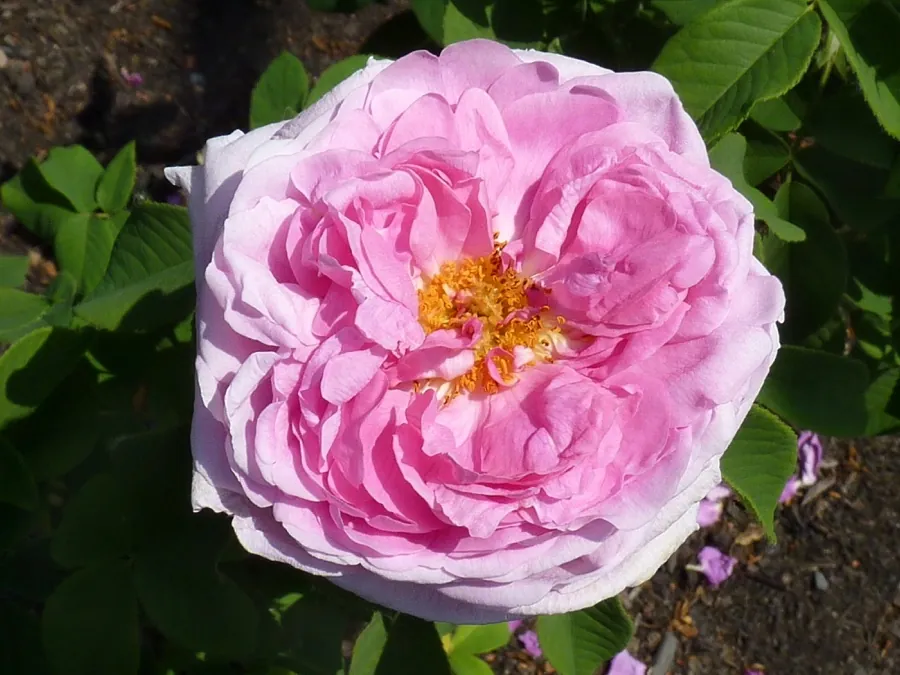
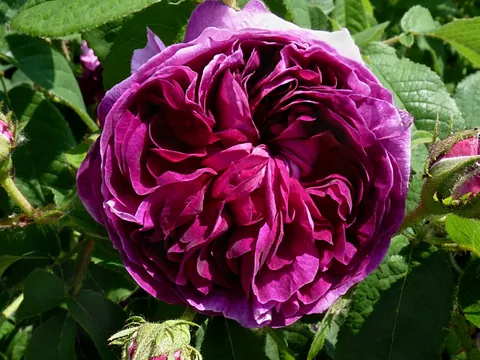
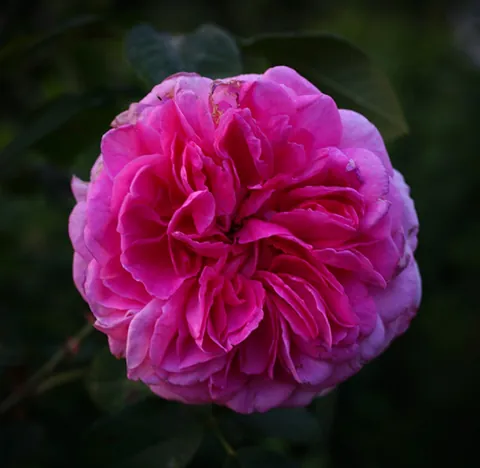
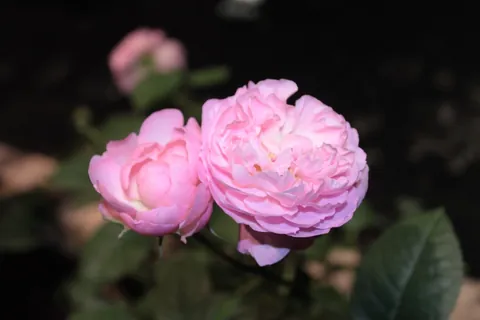
Name. After Henri d'Artois, Count of Chambord (1820–1883) – grandson of King Charles X of the Bourbons, the legitimist claimant to the French throne and the last representative of the senior Bourbon line. In 1830, when he was a small child, the Legitimists proclaimed him ‘Henri V’ – a king who never reigned. He lived in exile at Frohsdorf Castle (Austria) until his death. Naming a rose after him in 1860 was a political statement by Moreau-Robert in favour of a monarchist restoration. Bred by Moreau-Robert (a firm formed after the merger of Jean Robert and Marie Moreau-Robert) in Angers, France, 1860. Parentage: probably Baronne Prévost × Duchess of Portland (not precisely documented – typical for the 1860s). It belongs to the Portland Roses group – a rare historical category that arose after the 2nd Duchess of Portland brought back from Italy a mysterious purple rose that flowered repeatedly. French breeders created around 150 Portland roses between the 1810s and the 1860s; Comte de Chambord is one of the best that survived.
Significance. One of the best Portland roses of the nineteenth century to survive to the present – a benchmark among old garden roses. A unique combination: Damask fragrance + repeat flowering + compactness + exceptional winter hardiness (USDA 4b). David Austin used Comte de Chambord as a pollen parent for his landmark varieties – Gertrude Jekyll, The Countryman, Wenlock – so the trace of this rose can be found in every second modern English variety. 165 years in cultivation without a break. NOT in the WFRS Old Rose Hall of Fame (a common myth): the Old Rose HoF list has only 5 varieties – Cécile Brünner, Gloire de Dijon, Gruss an Teplitz, Old Blush, Souvenir de la Malmaison. Comte de Chambord is historically and in breeding terms extremely important, but it has not been formally inducted into the HoF.