




Back to catalogue
FloribundaTom Carruth; Weeks Roses, 2006Yellow

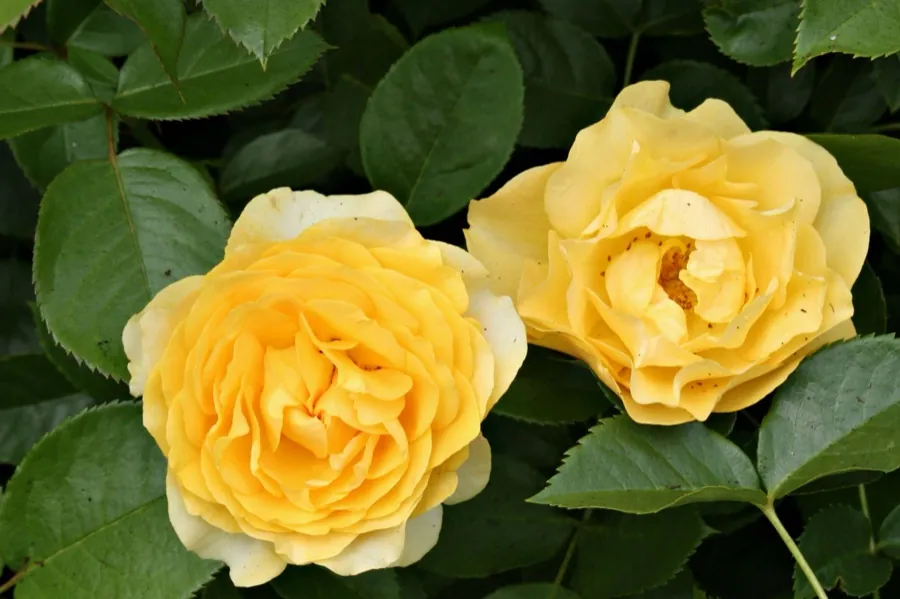
Julia Child

AARS 2006; vivid yellow; the variety was personally chosen by Julia Child (1912–2004) shortly before her death; in Britain — as Absolutely Fabulous®.

Carruth · Weeks · USA

Variety profile

Flowering

Repeat flowering

Continuous from spring until the frosts — one of the most free-flowering yellow Floribundas in the world. Months are approximate, for the climate of Ukraine.

Awards

AARS 2006

USA · Best of the Best UK 2010 · Gold Star NZ 2011

Winter hardiness

−34 °C

USDA zone 4a–10a. Exceptionally winter-hardy for a yellow Floribunda; all of Ukraine without winter protection. Exceptionally winter-hardy for a yellow FL · all of Ukraine without winter protection.

Compare reference temperatures

Plant size

65–80 × 50–65 cm
person 170 cm65–80 cm
Habit
Rounded, compact, symmetrical — an ideal shape for a border
Dimensions
65–80 × 50–65 cm
Support
No support needed
Shoots
Strong, straight, hold the flowers without drooping
Branching
Excellent, profuse

Flower

≈ 10 cm

26–40 petals.

Bud shape
Round and full, with a rich yellow tone from the very first moment
Open flower
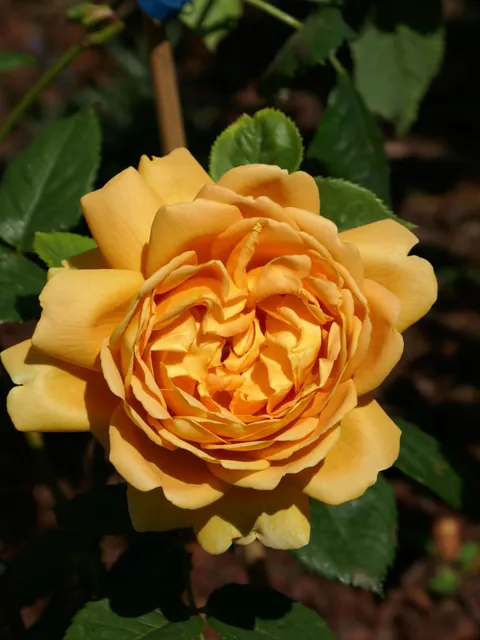
Full, globular cup with a neatly rounded centre — the 'perfect yellow flower' in the show sense
Centre
Densely packed, in the same buttery-yellow tone as the outer petals
Fullness
Fully double, 26–40 petals
Flower carriage
Small clusters of 3–7 flowers per stem — typical of a Floribunda

Fragrance

Moderate; liquorice + aniseed

Moderate, sweet liquorice-aniseed scent — a rare note among modern roses; reminiscent of 'lakrits' sweets or fennel.

Disease resistance

5 out of 5

5/5 — one of the healthiest yellow floribundas in the world.

Sun

Full sun

Heat-tolerant; the colour does not bleach.

Thorns

Few
thornlessfewmoderatemanyvery many

Few — typical of modern Weeks FL.

Foliage

Dark green, glossy, leathery — an extra decorative effect.

Other names

Absolutely Fabulous, Soul Mate, Anisade, SASOL Rose, Jiřina Bohdalová
All characteristics in a table
Group
Floribunda
Breeder
Tom Carruth; Weeks Roses, USA, 2006
Bud shape
Round and full, with a rich yellow tone from the very first moment
Open flower
Full, globular cup with a neatly rounded centre — the 'perfect yellow flower' in the show sense
Centre
Densely packed, in the same buttery-yellow tone as the outer petals
Colour
A pure golden buttery yellow ('butter-gold') with no variation — it keeps its colour until the petals drop and does not fade to cream (a rare quality among yellow varieties!)
Fullness
Fully double, 26–40 petals
Flower carriage
Small clusters of 3–7 flowers per stem — typical of a Floribunda
Flowering
Continuous from spring until the frosts — one of the most free-flowering yellow Floribundas in the world
Fragrance
Moderate, sweet liquorice-aniseed scent — a rare note among modern roses; reminiscent of 'lakrits' sweets or fennel
Hips
Not documented
Habit
Rounded, compact, symmetrical — an ideal shape for a border
Branching
Excellent, profuse
Shoots
Strong, straight, hold the flowers without drooping
Thorns
Few — typical of modern Weeks FL.
Dimensions
65–80 × 50–65 cm
Support
No support needed
Foliage
Dark green, glossy, leathery — an extra decorative effect
Resistance
5/5 — one of the healthiest yellow floribundas in the world
Variations of the variety
Code WEKvossutono; synonyms: Absolutely Fabulous® (Great Britain), Soul Mate® (Australia), Anisade, SASOL Rose (South Africa), Jiřina Bohdalová (Czech Republic). This is ONE variety under different trade names

Colour scheme

A pure golden buttery yellow ('butter-gold') with no variation — it keeps its colour until the petals drop and does not fade to cream (a rare quality among yellow varieties!)

Rose neighbours

Perennials to plant nearby

Neighbouring roses

Triplet Carruth (Julia + Hot Cocoa + Ebb Tide) + classic white FL for contrast:

Companion perennials

Purple and spicy accents + a scent echo of lemon thyme:

salvia 'May Night'catmintmarigoldslemon thyme

Availability worldwide

One of the most popular yellow FLs of the last 20 years:

🇺🇸 USA: very high · Weeks Roses🇬🇧 UK: high · as Absolutely Fabulous🇦🇺 Australia: high · as Soul Mate🇺🇦 Ukraine: moderate · in European nurseries

More about the variety

Hips
Not documented
Variations of the variety
Code WEKvossutono; synonyms: Absolutely Fabulous® (Great Britain), Soul Mate® (Australia), Anisade, SASOL Rose (South Africa), Jiřina Bohdalová (Czech Republic). This is ONE variety under different trade names

How to grow

Where to plant. Mono-yellow borders, formal flower beds, front-of-border positions, containers on a terrace; ideal alongside Hot Cocoa and Ebb Tide as the 'Carruth-triptych' — three floribundas by one breeder in different shades.

Climate. To −34 °C — all of Ukraine without protection; a rare winter hardiness for a yellow Floribunda.

Care. Minimal — spring pruning; removing spent blooms encourages new flushes; disease prevention is almost never needed (health 5/5).

About the name

Name. The rose is named after Julia Child (1912–2004), the American cook who popularised French cuisine in the USA through the TV show 'The French Chef' (1963–1973). Her book 'Mastering the Art of French Cooking' (1961) became a cultural event. The variety was personally chosen by Julia Child herself shortly before her death: Tom Carruth showed her several yellow seedlings, and she settled on this one, saying: 'This yellow is like good fresh butter.' Hence the description of the colour as 'butter-gold'.

Breeding. Bred by Tom Carruth at Weeks Wholesale Rose Grower (California, USA), introduced in 2006. Code WEKvossutono. Parentage: ('Voodoo' × R. soulieana hybrid) × 'Summerwine', with pollen parent 'Top Notch'. Tom Carruth is one of the most outstanding American breeders of the XX–XXI centuries, also known for his Hot Cocoa, Ebb Tide and other 'unconventional' floribundas.

Significance. AARS 2006 (American Rose Selections — the 'Oscar' of the American rose world); Best of the Best 2010 (Great Britain, as Absolutely Fabulous); Gold Star of the South Pacific 2011 (New Zealand). One of the most successful yellow floribundas of the last 20 years; a benchmark for stable colour among yellow roses — it does NOT fade, which sets it apart from most yellow varieties. The liquorice-aniseed scent is a rare note among modern roses. In different countries it is sold under different trade names: Absolutely Fabulous (UK), Soul Mate (Australia), Anisade, Jiřina Bohdalová (Czech Republic), SASOL Rose (South Africa) — it is the same variety, WEKvossutono.

Frequently asked questions about Julia Child

Does Julia Child need winter protection?

The cultivar’s reference temperature is −34 °C (USDA zone 4a–10a). Overwintering depends on the conditions. Exceptionally winter-hardy for a yellow Floribunda; all of Ukraine without winter protection.

How many times a season does Julia Child flower?

Continuous from spring until the frosts — one of the most free-flowering yellow Floribundas in the world.

How big does Julia Child grow?

65–80 cm tall, 50–65 cm wide.

Which diseases affect Julia Child?

Overall resistance: 5 out of 5. Excellent; especially to powdery mildew and black spot.

How much sun does Julia Child need?

Sun; full sun; heat-tolerant; the colour does not bleach.

What does Julia Child smell like?

Moderate, sweet liquorice-aniseed scent — a rare note among modern roses; reminiscent of 'lakrits' sweets or fennel.

Gardeners' photos and reviews

My climate

Choose a reference temperature to compare with the cultivar’s data. This is not an overwintering forecast or advice on winter protection; consider wind, moisture and the duration of frost.

Regional data are generalised. USDA describes average annual extreme minima, not a forecast; the values in the list are rounded. Check the conditions at your site. More information: Roses in Ukraine's climate.