



Back to catalogue
FloribundaWilliam A. Warriner; Jackson & Perkins, 1980White and cream

French Lace

AARS 1982 + Portland Gold Medal 1984; parentage 'Dr. A.J. Verhage' × 'Bridal Pink'; 45+ years in commerce with J&P.

Warriner classic · lacy buds

Variety profile

Flowering

Repeat flowering

Repeat-flowering, in flushes all season — from June to the first frosts. Months are approximate, for the climate of Ukraine.

Awards

AARS 1982

+ Portland Gold 1984

Winter hardiness

−20 °C

USDA zone 6b+. In Ukraine, with winter protection.

Compare reference temperatures

Plant size

75–120 × 60–90 cm
person 170 cm75–120 cm
Habit
A compact, upright floribunda — keeps its shape well and does not sprawl
Dimensions
75–120 cm tall × 60–90 cm wide (compact)
Support
Needs no support
Shoots
Strong, straight, hold large clusters well
Branching
Good, even

Flower

≈ 9 cm

30–35 petals.

Bud shape
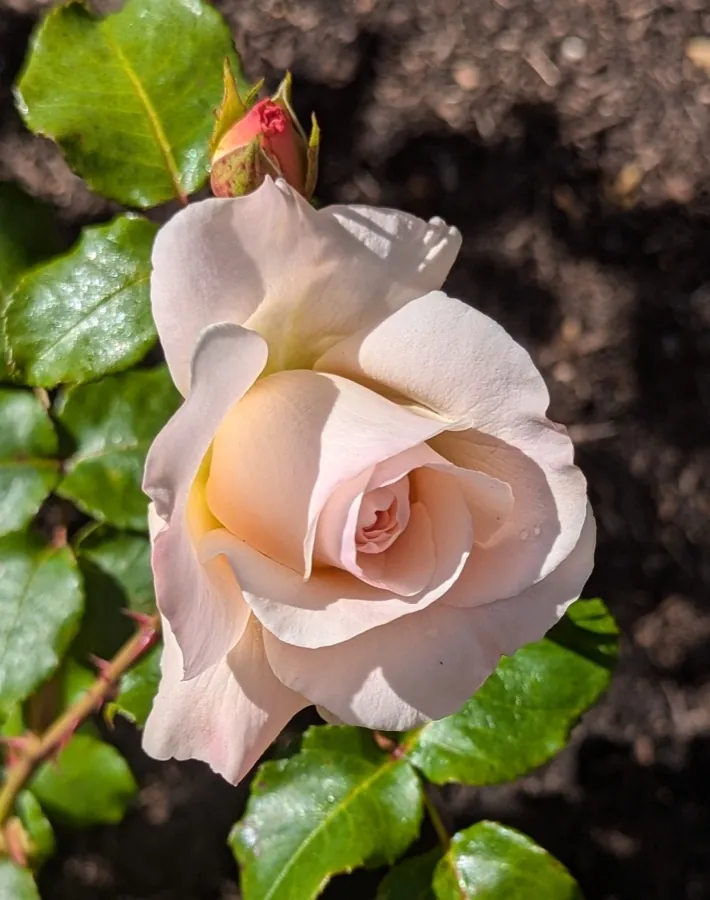
Elongated and tall, with a delicate peach-apricot tint — 'lacy', as if made of lace
Open flower
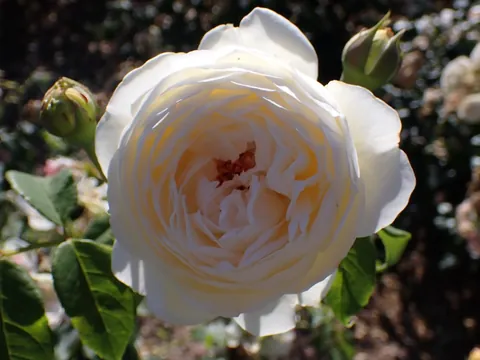
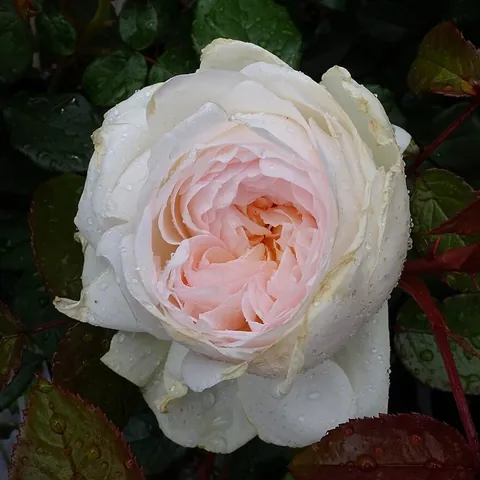
Semi-high-centred floribunda, opening to a flat rosette over time; ~9 cm across
Centre
Creamy white with a cream-yellow centre; in heat it fades to pure white
Fullness
Full, 30–35 petals
Flower carriage
In clusters of 5–10 per shoot

Fragrance

Light

Light fruity-spicy (notes of clove); NOT a tea-rose scent — a common mistake in sources.

Disease resistance

5 out of 5

Outstanding — resistant to black spot, rust, botrytis and powdery mildew (a rare 'four out of four').

Sun

Full sun

Light midday shade extends the flowering of each bloom.

Thorns

Moderate
thornlessfewmoderatemanyvery many

Medium number, typical of classic floribundas.

Foliage

Dark green, leathery, very healthy.

All characteristics in a table
Group
Floribunda
Breeder
William A. Warriner; Jackson & Perkins, USA, 1980
Bud shape
Elongated and tall, with a delicate peach-apricot tint — 'lacy', as if made of lace
Open flower
Semi-high-centred floribunda, opening to a flat rosette over time; ~9 cm across
Centre
Creamy white with a cream-yellow centre; in heat it fades to pure white
Colour
Creamy white like ivory; a peach-apricot tint in the bud; it fades to pure white in sun — a 'chameleon' variety
Fullness
Full, 30–35 petals
Flower carriage
In clusters of 5–10 per shoot
Flowering
Repeat-flowering, in flushes all season — from June to the first frosts
Fragrance
Light fruity-spicy (notes of clove); NOT a tea-rose scent — a common mistake in sources
Hips
Does not form noticeable ones (constant flowering interrupts their formation)
Habit
A compact, upright floribunda — keeps its shape well and does not sprawl
Branching
Good, even
Shoots
Strong, straight, hold large clusters well
Thorns
Medium number, typical of classic floribundas.
Dimensions
75–120 cm tall × 60–90 cm wide (compact)
Support
Needs no support
Foliage
Dark green, leathery, very healthy
Resistance
Outstanding — resistant to black spot, rust, botrytis and powdery mildew (a rare 'four out of four')
Variations of the variety
Code JAClace; no other synonyms; parentage 'Dr. A.J. Verhage' (HT, Verbeek 1961) × 'Bridal Pink' / JACbri (FL, Boerner 1966)

Colour scheme

Creamy white like ivory; a peach-apricot tint in the bud; it fades to pure white in sun — a 'chameleon' variety

Rose neighbours

Perennials to plant nearby

Rose neighbours

A classic wedding palette of whites and creams:

Perennial companions

Delicate blue and pink accents for cream:

catmint 'Walker's Low'lamb's ear (Stachys byzantina)geranium 'Wargrave Pink'lady's mantle (Alchemilla mollis)

Availability worldwide

A classic American Floribunda, in production with J&P for 45+ years:

  • 🇪🇺 Europe: moderate · specialist nurseries
  • 🇺🇸 USA: VERY HIGH · Jackson&Perkins bestseller since 1980
  • 🇯🇵 Asia: moderate
  • 🇺🇦 Ukraine: moderate · available from Ukrainian nurseries

More about the variety

Hips
Does not form noticeable ones (constant flowering interrupts their formation)
Variations of the variety
Code JAClace; no other synonyms; parentage 'Dr. A.J. Verhage' (HT, Verbeek 1961) × 'Bridal Pink' / JACbri (FL, Boerner 1966)

How to grow

Where to plant. Wedding gardens, monochrome white borders, delicate groups of 3–5 bushes in front of a dark backdrop (thuja, yew, cypress); looks lovely in the shade of tall roses, where it 'glows' in partial shade; do not plant it beside strong colours (red, fuchsia) — it gets lost.

Climate. To −20 °C — in Ukraine with moderate winter protection in northern and central regions; in southern Ukraine with light cover.

Care. A classic floribunda — prune in spring by ⅓; outstanding resistance almost removes the need for fungicides; remove faded flowers so they do not spoil the look (they turn brown).

About the name

Name. 'French Lace' — English for 'French lace'. The name conveys the lacy, delicate weave and the shape of the buds — creamy white with a soft peach tint, as if cut from Victorian lace. A favourite variety for wedding bouquets and bridal gowns in garden settings.

Breeding. Bred by William A. Warriner, Jackson & Perkins, USA, 1980. Code JAClace. Parentage: 'Dr. A.J. Verhage' (HT, Verbeek 1961) × 'Bridal Pink' / JACbri (Floribunda, Boerner 1966). The name of the parent 'Bridal Pink' ('bride's pink') explains the 'bridal' heritage of the variety.

Significance. One of Warriner's best-known floribundas — AARS 1982 (All-America Rose Selections, the main US award for garden quality) + Portland Gold Medal 1984. 45+ years in production at Jackson & Perkins — a rare achievement for a floribunda. The standard 'wedding' rose in American gardens — a symbol of tenderness and classic elegance in the 1980s. Warriner was the leading J&P breeder of the 1960s–1980s, who bred dozens of AARS-winners; his style is the 'classic American floribunda': compact, fragrant, very resistant.

Frequently asked questions about French Lace

Does French Lace need winter protection?

The cultivar’s reference temperature is −20 °C (USDA zone 6b+). Overwintering depends on the conditions. In Ukraine, with winter protection.

How many times a season does French Lace flower?

Repeat-flowering, in flushes all season — from June to the first frosts.

How big does French Lace grow?

75–120 cm tall, 60–90 cm wide.

Which diseases affect French Lace?

Overall resistance: 5 out of 5. Resistant to black spot, rust, botrytis and powdery mildew.

How much sun does French Lace need?

Sun; full sun; light midday shade extends the flowering of each bloom.

What does French Lace smell like?

Light fruity-spicy (notes of clove); NOT a tea-rose scent — a common mistake in sources.

Gardeners' photos and reviews

My climate

Choose a reference temperature to compare with the cultivar’s data. This is not an overwintering forecast or advice on winter protection; consider wind, moisture and the duration of frost.

Regional data are generalised. USDA describes average annual extreme minima, not a forecast; the values in the list are rounded. Check the conditions at your site. More information: Roses in Ukraine's climate.