


Back to catalogue
English Shrub; David Austin English Roses collectionDavid C. H. Austin Sr.; David Austin Roses, 1995Yellow

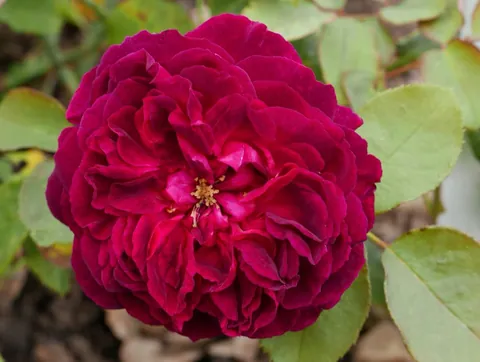
Jude the Obscure

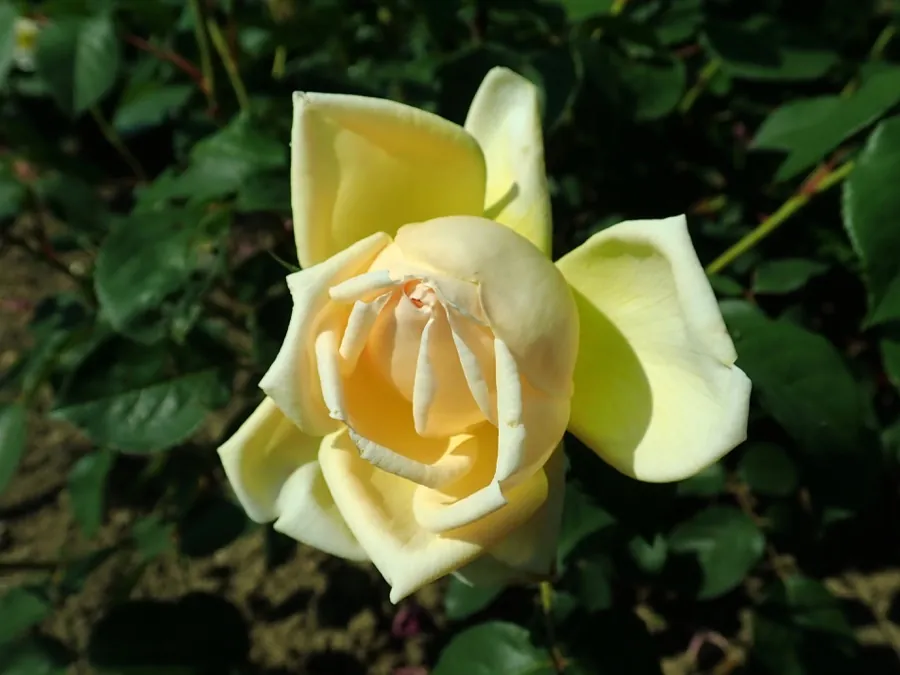
Soft yellow-apricot English shrub; one of the most fragrant David Austin varieties; parents Abraham Darby × Windrush; named after Thomas Hardy's novel 'Jude the Obscure' (1895).

One of the most fragrant Austin varieties · parents Abraham Darby × Windrush

Variety profile

Flowering

Repeat, in flushes

Repeat-flowering — blooms in flushes throughout the season. Months are approximate, for the climate of Ukraine.

Legacy

Austin 1995

AUSjo · Abraham Darby × Windrush

Winter hardiness

−23 °C

USDA zone 5b. All of Ukraine; in the north, light winter protection.

Compare reference temperatures

Plant size

125 × 110 cm
person 170 cm125 cm
Habit
A large spreading English Shrub; can also be grown as a low climber
Dimensions
~125 cm height × ~110 cm width; as a climber — taller
Support
Not needed for a shrub; desirable when grown as a low climber.
Shoots
Flexible — when trained as a climber, they need support
Branching
Flexible, spreading stems

Flower

10–13 cm
Bud shape
Round, full
Open flower
Large deep cup (goblet), opening over time into a rosette; diameter 10–13 cm
Centre
Creamy yellow, densely filled with petals
Fullness
55–70 petals — full
Flower carriage
Singly or in small clusters on strong stems

Fragrance

Very strong; fruity (guava + white wine)

Very strong fruity scent — fresh guava and sweet white wine; one of the most fragrant varieties in the whole David Austin collection.

Disease resistance

3 out of 5
Black spotmoderate

Moderate (3/5) — David Austin himself notes that the variety falls short of newer ones in disease resistance; in damp climates black spot prevention is needed.

Sun

Full sun

East, south or west exposure.

Thorns

Moderate
thornlessfewmoderatemanyvery many

Moderate number of thorns.

Foliage

Light green, from semi-matt to semi-glossy.

All characteristics in a table
Group
English Shrub; David Austin English Roses collection
Breeder
David C. H. Austin Sr.; David Austin Roses, United Kingdom, 1995
Bud shape
Round, full
Open flower
Large deep cup (goblet), opening over time into a rosette; diameter 10–13 cm
Centre
Creamy yellow, densely filled with petals
Colour
Soft yellow inside, pale cream outside; the petals lighten as they open
Fullness
55–70 petals — full
Flower carriage
Singly or in small clusters on strong stems
Flowering
Repeat-flowering — blooms in flushes throughout the season
Fragrance
Very strong fruity scent — fresh guava and sweet white wine; one of the most fragrant varieties in the whole David Austin collection
Hips
Not documented — spent flowers are cut off for repeat flowering
Habit
A large spreading English Shrub; can also be grown as a low climber
Branching
Flexible, spreading stems
Shoots
Flexible — when trained as a climber, they need support
Thorns
Moderate number of thorns.
Dimensions
~125 cm height × ~110 cm width; as a climber — taller
Support
Not needed for a shrub; desirable when grown as a low climber.
Foliage
Light green, from semi-matt to semi-glossy
Resistance
Moderate (3/5) — David Austin himself notes that the variety falls short of newer ones in disease resistance; in damp climates black spot prevention is needed
Variations of the variety
Code AUSjo; hybridised 1989, introduced in Great Britain 1995. Parentage: Abraham Darby × Windrush

Colour scheme

Soft yellow inside, pale cream outside; the petals lighten as they open

Rose neighbours

Perennials to plant nearby

Neighbouring roses

Other David Austin English Roses — together they make one 'Austin corner' of the garden:

Companion perennials

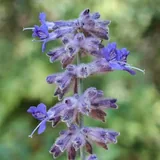
The cool blue-lavender range sets off yellow flowers well:

lavendercatmintlady's mantleperovskia

Availability worldwide

A classic and popular David Austin variety:

🇬🇧 UK: very high · homeland🇺🇸 USA: high · through Austin USA🇪🇺 Europe: high · through Austin Europe🇺🇦 Ukraine: moderate · through Austin partners

More about the variety

Hips
Not documented — spent flowers are cut off for repeat flowering
Variations of the variety
Code AUSjo; hybridised 1989, introduced in Great Britain 1995. Parentage: Abraham Darby × Windrush

How to grow

Where to plant. As a fragrant accent beside a bench, an entrance or a path, so the strong scent can be enjoyed; in mixed borders among perennials; if wished, as a low climber on a low support or an obelisk.

Climate. All of Ukraine (USDA 5b, −23 °C); in the northern regions light winter protection is advisable.

Care. Full sun, a well-ventilated spot; in wet years, prevention against black spot; feed 2× per season; spring pruning by about ⅓; when trained as a climber, tie in the flexible stems.

About the name

Name. 'Jude the Obscure', after the novel of the same name (1895) by the British writer Thomas Hardy, the author's last completed novel. Literary names are a long-standing David Austin tradition.

Breeding. Bred by David C. H. Austin Sr. at David Austin Roses (Albrighton, Great Britain). Code AUSjo. Hybridised 1989, introduced 1995. Parentage: Abraham Darby × Windrush.

Significance. One of the most fragrant and popular Austin varieties — a large cup-shaped flower in soft yellow-apricot with a powerful fruity scent (guava + white wine). Downside: moderate disease resistance — David Austin openly admits that the variety falls short of newer ones in resistance, so in a damp climate it needs disease prevention. Even so, it remains a favourite for its beauty and scent.

Frequently asked questions about Jude the Obscure

Does Jude the Obscure need winter protection?

The cultivar’s reference temperature is −23 °C (USDA zone 5b). Overwintering depends on the conditions. All of Ukraine; in the north, light winter protection.

How many times a season does Jude the Obscure flower?

Repeat-flowering — blooms in flushes throughout the season.

How big does Jude the Obscure grow?

About 125 cm tall, about 110 cm wide.

Which diseases affect Jude the Obscure?

Overall resistance: 3 out of 5. Moderate; in a damp climate, prevention against black spot.

How much sun does Jude the Obscure need?

Full sun; east, south or west exposure.

What does Jude the Obscure smell like?

Very strong fruity scent — fresh guava and sweet white wine; one of the most fragrant varieties in the whole David Austin collection.

Gardeners' photos and reviews

My climate

Choose a reference temperature to compare with the cultivar’s data. This is not an overwintering forecast or advice on winter protection; consider wind, moisture and the duration of frost.

Regional data are generalised. USDA describes average annual extreme minima, not a forecast; the values in the list are rounded. Check the conditions at your site. More information: Roses in Ukraine's climate.