Back to catalogue
Patio / low floribundaRosen Tantau, 2012Lilac and purple

Lavender Ice

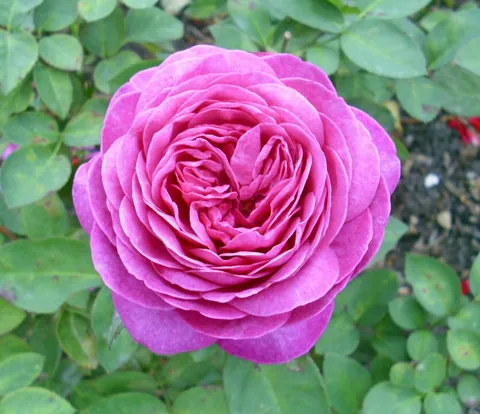
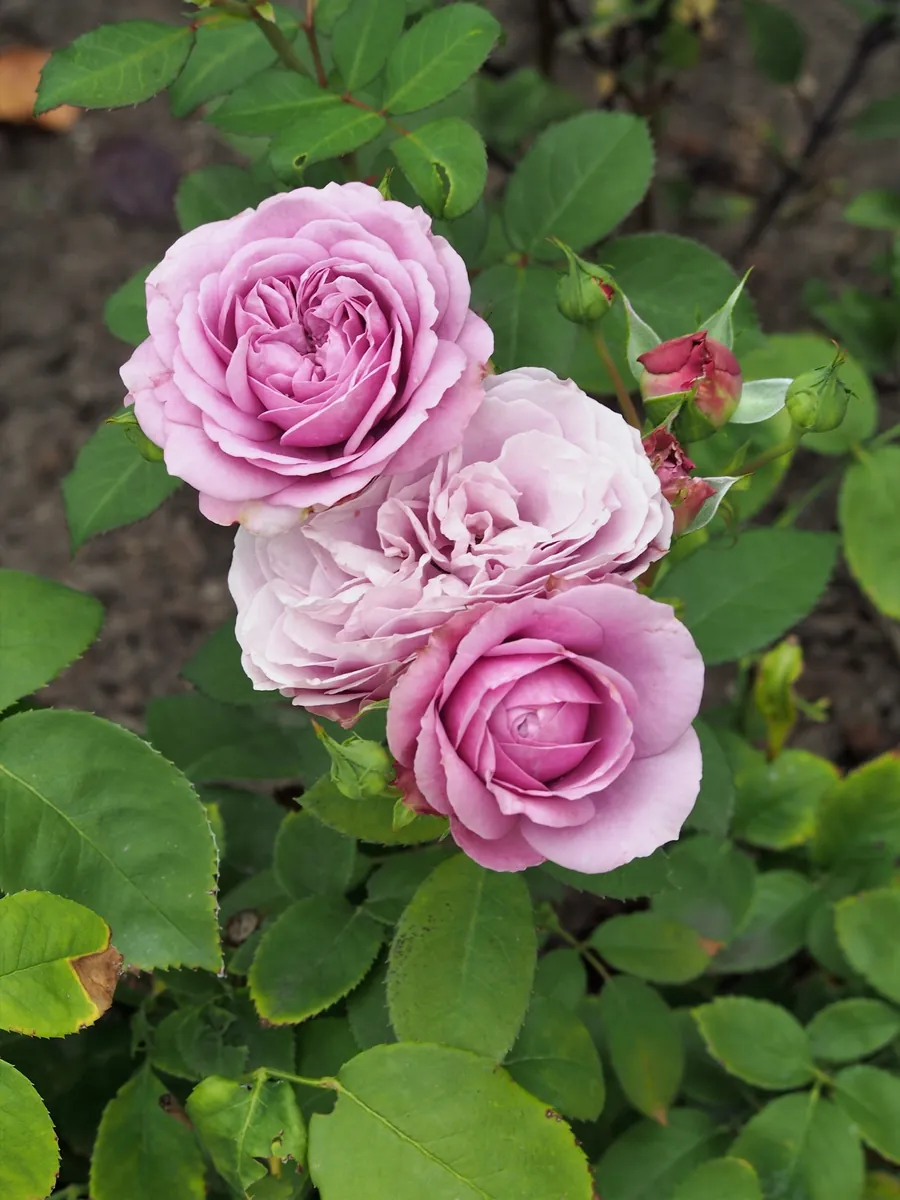
Silvery-lavender, very double flowers on a compact, rounded plant.

Compact · large flowers on a low plant

Variety profile

Flowering

Repeat-flowering in flushes until autumn

Winter hardiness

−23 °C

USDA zone 6. Winter protection is needed in colder regions of Ukraine.

Compare reference temperatures

Plant size

50–70 cm
person 170 cm50–70 cm
Habit
Low, dense and rounded
Dimensions
Approximately 50–70 cm tall; width depends on growing conditions
Support
Not required
Shoots
Compact
Branching
Well branched

Flower

7–8 cm
Bud shape
Rounded, pink-lilac bud
Open flower
Cup-shaped, very double, approximately 7–8 cm across
Clusters
Usually in clusters of 3–6 flowers
Flower durability
The flowers usually hold their shape well; the colour may fade in heat

Fragrance

Light

Light and delicate.

Sun

Light afternoon shade is helpful in intense heat

Foliage

Dark green and glossy.

Other names

Breeder's code TAN04249.

All characteristics in a table
Group
Patio / low floribunda
Breeder
Rosen Tantau, Germany, 2012
Bud shape
Rounded, pink-lilac bud
Open flower
Cup-shaped, very double, approximately 7–8 cm across
Colour
Silvery lavender or cool lilac-pink; the shade varies with the weather
Clusters
Usually in clusters of 3–6 flowers
Flowering
Repeat-flowering in flushes until autumn
Fragrance
Light and delicate
Flower durability
The flowers usually hold their shape well; the colour may fade in heat
Habit
Low, dense and rounded
Branching
Well branched
Shoots
Compact
Thorns
Thorns are present; no reliable separate thorn rating has been published for this variety.
Dimensions
Approximately 50–70 cm tall; width depends on growing conditions
Support
Not required
Foliage
Dark green and glossy
Resistance
No reliable separate rating is available
Variations of the variety
Front of the bed, containers, low edging and small groups
Colour scheme

Silvery lavender or cool lilac-pink; the shade varies with the weather

Rose neighbours

Perennials to plant nearby

Neighbouring roses

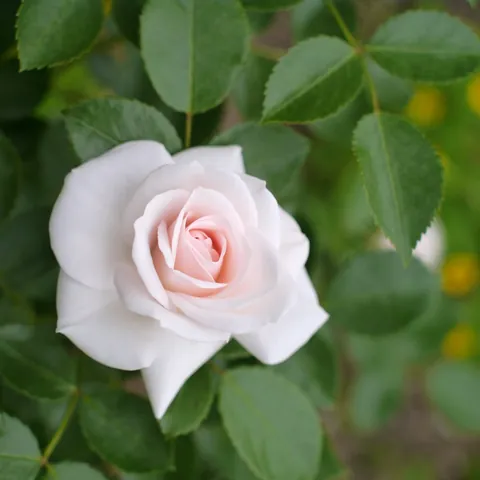
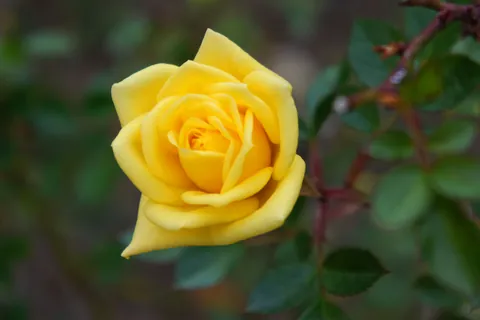
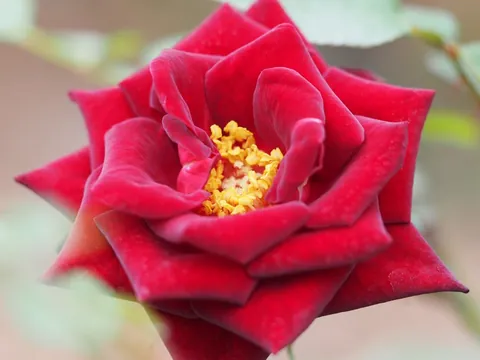
The composition moves from almost black-red through cool lavender to white, with one golden accent:

Perennial companions

Silver, white and muted blue-violet tones complement the cool flower colour without competing with it:

lamb's earcatmintbaby's breathcoral bells

More about the variety

Variations of the variety
Front of the bed, containers, low edging and small groups
How to grow

Where to plant. At the front of a bed, in low edging or in a container where the flower can be seen up close. The lavender tone is stronger in cool weather; in heat the flowers may become paler. In Ukraine, provide sun, good air circulation and winter protection in colder regions; do not leave a container to freeze without protection.

About the name

Breeding. Rosen Tantau, Germany; registration code TAN04249. Sources mention 2004 as the year of breeding and 2012 as the year of introduction. The name Lavender Ice refers to the cool lavender shade, as if covered with a silvery haze.

Frequently asked questions about Lavender Ice

Does Lavender Ice need winter protection?

The cultivar’s reference temperature is −23 °C (USDA zone 6). Overwintering depends on the conditions. Winter protection is needed in colder regions of Ukraine.

How many times a season does Lavender Ice flower?

Repeat-flowering in flushes until autumn.

How big does Lavender Ice grow?

50–70 cm tall.

How much sun does Lavender Ice need?

Full sun; light afternoon shade is helpful in intense heat.

What does Lavender Ice smell like?

Light and delicate.

Gardeners' photos and reviews

My climate

Choose a reference temperature to compare with the cultivar’s data. This is not an overwintering forecast or advice on winter protection; consider wind, moisture and the duration of frost.

Regional data are generalised. USDA describes average annual extreme minima, not a forecast; the values in the list are rounded. Check the conditions at your site. More information: Roses in Ukraine's climate.