


Back to catalogue
Hybrid Musk; large shrub rose; LambertianaReimer Kordes, 1960Lilac and purple

Lavender Lassie

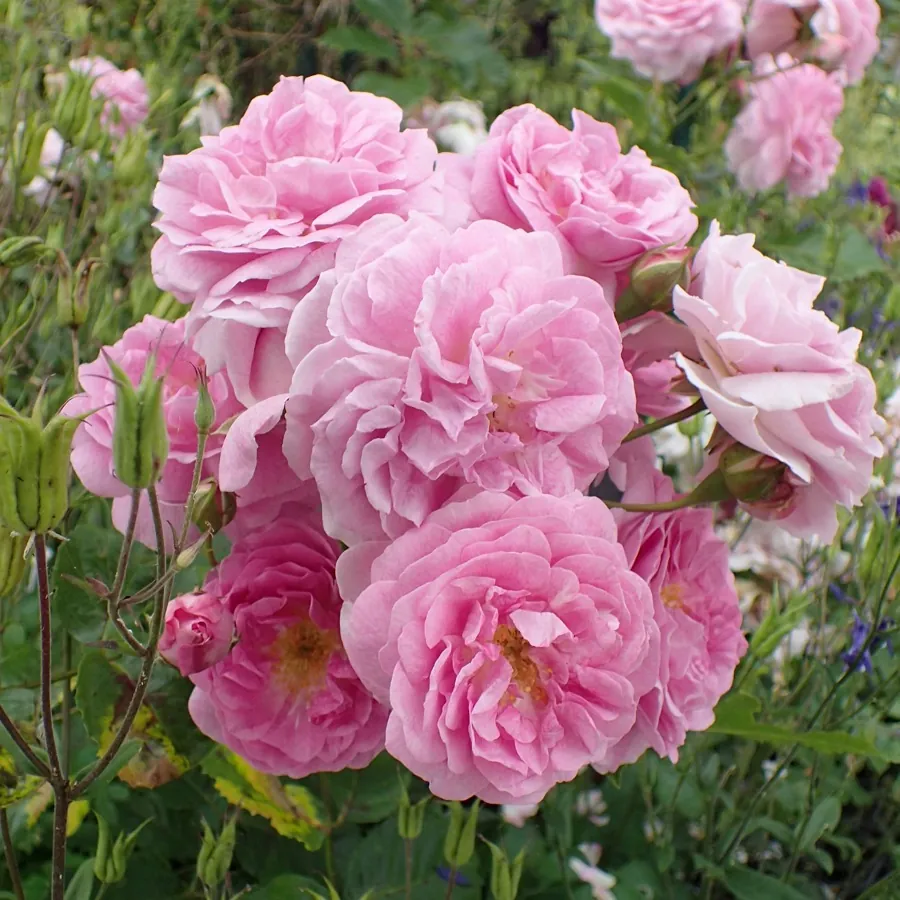
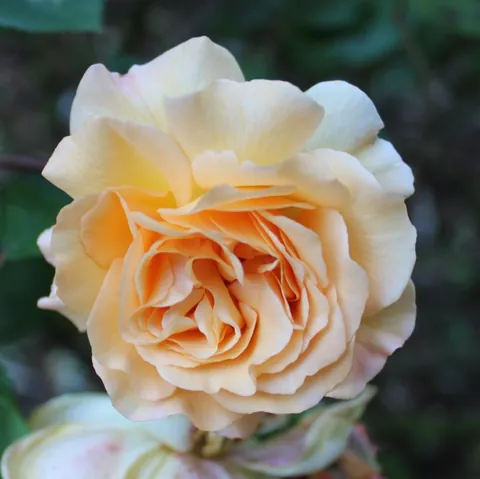
Lilac-pink (mallow) rosettes in large clusters; strong old-rose fragrance; shade-tolerant; a hardy Kordes classic; flexible — as a shrub or a small climber.

Strong old-rose fragrance · can be trained as a small climber

Variety profile

Flowering

Repeat-flowering, in flushes through the season

Legacy

Classic Kordes

A recognised old Hybrid Musk

Plant size

150 × 120 cm
person 170 cmon a supportup to 3.7 m150 cm
Habit
Spreading, very vigorous; flexible arching canes bend well onto a support
Dimensions
As a shrub ~1.5 × 1.2 m; as a climber up to 3–3.7 m
Support
Not required (it holds up as a shrub/hedge); can be trained as a climber on a support — then tying in is needed
Shoots
Long, flexible, arching
Branching
Long, flexible canes

Flower

7.5–9 cm
Bud shape
Round, lilac-pink
Open flower
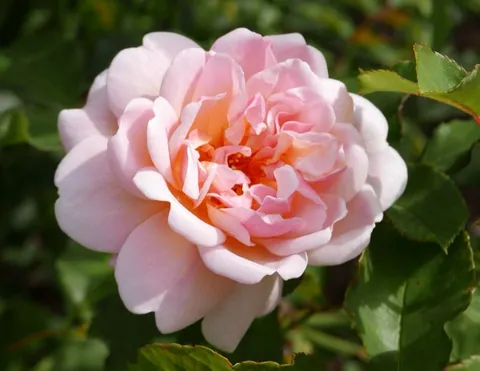
Rosette-shaped, flat, double
Centre
Dense, with many petals
Fullness
Double, 17–25 petals
Flower carriage
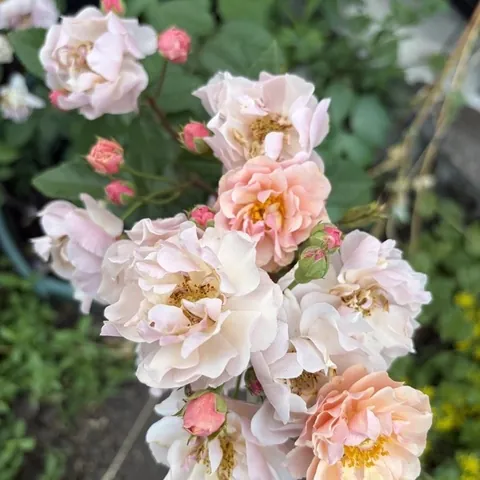
In large clusters (trusses), sometimes singly

Fragrance

Strong

Strong (5/5) — 'strong, delicious rose scent', typical of old Hybrid Musks.

Disease resistance

4 out of 5

4/5 — claimed to be 'disease resistant'.

Sun

Sun and shade

Tolerates partial shade.

Thorns

Few
thornlessfewmoderatemanyvery many

No exact data — it has a reputation for relatively few thorns.

Foliage

Healthy, dense.

All characteristics in a table
Group
Hybrid Musk; large shrub rose; Lambertiana
Breeder
Reimer Kordes, Germany, 1960
Bud shape
Round, lilac-pink
Open flower
Rosette-shaped, flat, double
Centre
Dense, with many petals
Colour
Lilac-pink / mallow (mauve, lilac-pink) — leans to the lilac side of pink, not purple
Fullness
Double, 17–25 petals
Flower carriage
In large clusters (trusses), sometimes singly
Flowering
Repeat-flowering, in flushes through the season
Fragrance
Strong (5/5) — 'strong, delicious rose scent', typical of old Hybrid Musks
Hips
Not documented
Habit
Spreading, very vigorous; flexible arching canes bend well onto a support
Branching
Long, flexible canes
Shoots
Long, flexible, arching
Thorns
No exact data — it has a reputation for relatively few thorns.
Dimensions
As a shrub ~1.5 × 1.2 m; as a climber up to 3–3.7 m
Support
Not required (it holds up as a shrub/hedge); can be trained as a climber on a support — then tying in is needed
Foliage
Healthy, dense
Resistance
4/5 — claimed to be 'disease resistant'
Variations of the variety
Hybrid Musk / Lambertiana. Parentage: Hamburg × Mme Norbert Levavasseur. Breeder — Reimer Kordes, 1960

Colour scheme

Lilac-pink / mallow (mauve, lilac-pink) — leans to the lilac side of pink, not purple

Rose neighbours

Perennials to plant nearby

Rose neighbours

Family of classic Hybrid Musks — soft tones and a shared fragrance:

Companion perennials

Violet-blue tones set off the rose's lilac-pink:

lavendercatmint (Nepeta)woodland sagegarden geranium

Why it's handy

⭐ Very versatile in use:

🌥 flowers even in partial shade🧗 as a shrub OR as a climber on a support🌹 strong old-rose fragrance❄️ very winter-hardy

More about the variety

Hips
Not documented
Variations of the variety
Hybrid Musk / Lambertiana. Parentage: Hamburg × Mme Norbert Levavasseur. Breeder — Reimer Kordes, 1960

How to grow

Where to plant. In natural/romantic gardens, mixed borders, as a hedge or on a support (pergola, arch, wall); tolerates partial shade — suitable for less sunny corners.

Climate. USDA 6b–10b, high winter hardiness — reliable for most of Ukraine.

Care. Fertile, moist soil, mulching, spring feeding; as a shrub — shape it as a bush; as a climber — tie in and leave long canes for abundant flowering.

About the name

Name. 'Lavender Lassie' — 'lavender girl': lavender — the lavender-lilac tone of the flower; lassie — 'girl/young woman' (Scots/English, affectionate). The name points directly to the lilac-pink colouring.

Breeding. Bred by Reimer Kordes (W. Kordes' Söhne, Sparrieshoop, Germany), 1960. Parentage: Hamburg × Mme Norbert Levavasseur. The Kordes house (founded 1887) is one of the largest breeding dynasties in the world, known for hardy and disease-resistant varieties.

Significance. A classic Hybrid Musk that has stood the test of time well — a rare combination of strong fragrance, lavender colour, shade tolerance and winter hardiness. Versatile: as a spreading shrub, a free-standing hedge or a small romantic climber.

Frequently asked questions about Lavender Lassie

How many times a season does Lavender Lassie flower?

Repeat-flowering, in flushes through the season.

How big does Lavender Lassie grow?

About 150 cm tall, about 120 cm wide. On a support — up to 370 cm.

Which diseases affect Lavender Lassie?

Overall resistance: 4 out of 5. Disease-resistant.

How much sun does Lavender Lassie need?

Sun and shade; tolerates partial shade.

What does Lavender Lassie smell like?

Strong (5/5) — 'strong, delicious rose scent', typical of old Hybrid Musks.

Gardeners' photos and reviews

My climate

Choose a reference temperature to compare with the cultivar’s data. This is not an overwintering forecast or advice on winter protection; consider wind, moisture and the duration of frost.

Regional data are generalised. USDA describes average annual extreme minima, not a forecast; the values in the list are rounded. Check the conditions at your site. More information: Roses in Ukraine's climate.