


Back to catalogue
Hybrid TeaTim-Hermann Kordes; W. Kordes' SöhneBicolour

Madame Anisette

ADR 2014; it is Kordes (NOT Tantau, as is often confused!); flagship of the Parfuma® series; one of the best-known aniseed-scented roses in the catalogue; in France — Madame de la Vallière (mistress of Louis XIV).

Parfuma® series · 7th creation by Tim-Hermann Kordes

Variety profile

Flowering

Repeat-flowering with pauses

Awards

ADR 2014

Flagship of the Parfuma® series

Winter hardiness

−26 °C

USDA zone 5b. Throughout Ukraine with moderate protection.

Compare reference temperatures

Plant size

100–150 × 50–70 cm
person 170 cm100–150 cm
Habit
An upright HT — a typical modern Kordes Parfuma
Dimensions
100–150 × 50–70 cm
Support
No support needed
Shoots
Sturdy, straight, holding the heavy double flowers
Branching
Good

Flower

8–9 cm
Bud shape
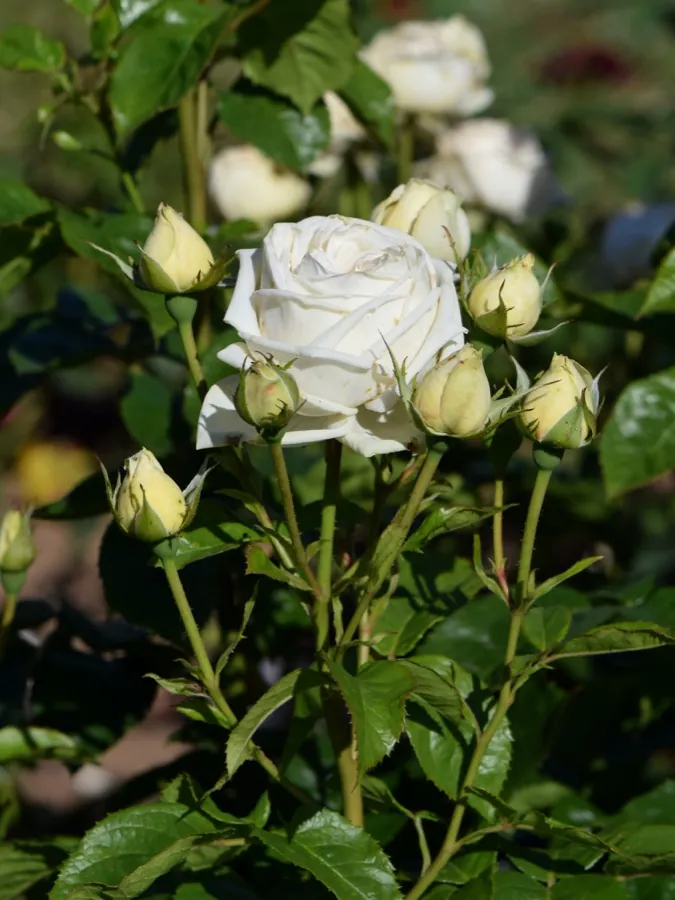
Round, creamy white with an apricot body already visible
Open flower
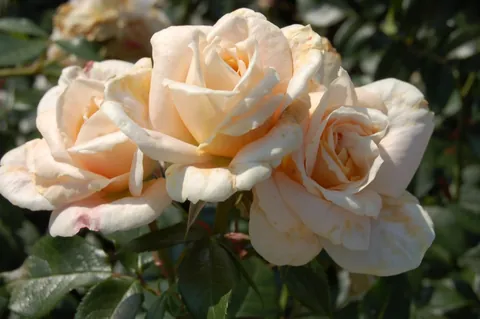
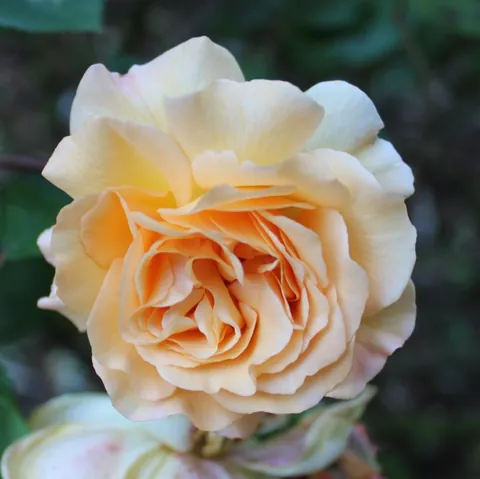
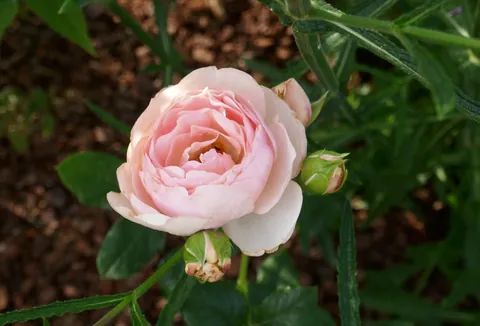
Very full cupped flower, with about 65–70 petals arranged in a «rosette»
Centre
Tightly packed, apricot-peach
Fullness
Very full (41+), 65–70 petals
Flower carriage
1–3 flowers per stem

Fragrance

Strong; aniseed + myrrh + honey

Strong — aniseed + myrrh + spice + warm honey notes. One of the most distinctive aniseed fragrances in the rose catalogue.

Disease resistance

5 out of 5

5/5 — ADR-certified 2014; Kordes Resistenzzucht programme.

Sun

Full sun

Thorns

Moderate
thornlessfewmoderatemanyvery many

Moderate number, typical of Kordes HTs.

Foliage

Dark green, leathery, very healthy.

Other names

Madame de la Vallière, Glorious Parfuma
All characteristics in a table
Group
Hybrid Tea
Breeder
Tim-Hermann Kordes; W. Kordes' Söhne, Germany
Bud shape
Round, creamy white with an apricot body already visible
Open flower
Very full cupped flower, with about 65–70 petals arranged in a «rosette»
Centre
Tightly packed, apricot-peach
Colour
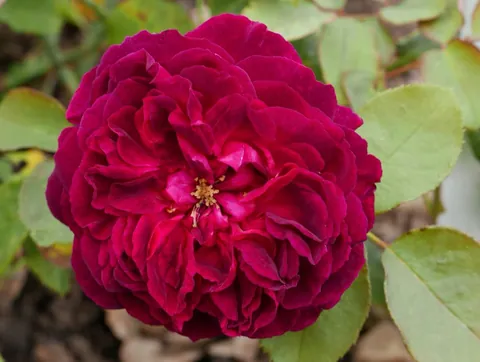
Creamy white with an apricot-peach heart, with an ivory tint on the outer petals. Not a bicolour — a soft gradient.
Fullness
Very full (41+), 65–70 petals
Flower carriage
1–3 flowers per stem
Flowering
Repeat-flowering with pauses
Fragrance
Strong — aniseed + myrrh + spice + warm honey notes. One of the most distinctive aniseed fragrances in the rose catalogue
Hips
Not documented
Habit
An upright HT — a typical modern Kordes Parfuma
Branching
Good
Shoots
Sturdy, straight, holding the heavy double flowers
Thorns
Moderate number, typical of Kordes HTs.
Dimensions
100–150 × 50–70 cm
Support
No support needed
Foliage
Dark green, leathery, very healthy
Resistance
5/5 — ADR-certified 2014; Kordes Resistenzzucht programme
Variations of the variety
Code KORberonem; internal KO 04/1553-01; US PP 26,747 (2016); parentage Berolina (HT, Kordes 1986) × seedling; synonyms: Madame de la Vallière (France), Glorious Parfuma (the Netherlands); often wrongly attributed to Tantau because of its style — it is Kordes

Colour scheme

Creamy white with an apricot-peach heart, with an ivory tint on the outer petals. Not a bicolour — a soft gradient.

Rose neighbours

Perennials to plant nearby

Neighbouring roses

A fragrant cream-apricot family:

Companion perennials

⭐ Anise resonance — enhances the variety's anise scent:

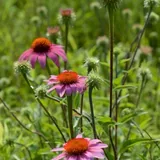
lavenderstar aniselamb's earechinacea 'Sunrise'

Availability worldwide

One of the most popular Kordes Parfuma roses of the last 10 years:

🇩🇪 Germany: high · official Kordes🇫🇷 France: high · as Madame de la Vallière🇺🇸 USA: high🇺🇦 Ukraine: moderate · via European nurseries

More about the variety

Hips
Not documented
Variations of the variety
Code KORberonem; internal KO 04/1553-01; US PP 26,747 (2016); parentage Berolina (HT, Kordes 1986) × seedling; synonyms: Madame de la Vallière (France), Glorious Parfuma (the Netherlands); often wrongly attributed to Tantau because of its style — it is Kordes

How to grow

Where to plant. Near evening-use spots (terraces, patios, windows) — the aniseed scent opens up in the evening; formal borders, monochrome cream groups with apricot neighbours.

Climate. To −26 °C — throughout Ukraine with moderate protection; in the south, no protection needed.

Care. A classic HT — spring pruning; needs almost no disease prevention (ADR-certificate); removing spent blooms stimulates new flushes.

About the name

Name. «Madame Anisette», after the characteristic aniseed scent (anisette is a French aniseed liqueur). The French synonym «Madame de la Vallière» alludes to Louise de La Vallière (1644–1710), mistress of Louis XIV, later a Catholic nun.

Breeding. CORRECTION: raised by Tim-Hermann Kordes at W. Kordes' Söhne (Sparrieshoop, Germany), bred in 2004, on the market in Germany 2013, France 2015, USA 2016. Code KORberonem. US PP 26,747 (2016). Parentage: Berolina (HT, Kordes 1986) × an unnamed seedling. Often wrongly attributed to Tantau because of the style of the series — it is Kordes.

Significance. ADR 2014 plus marks in European competitions. The flagship of the Parfuma® series from Kordes, launched in the 2000s in response to demand for classic fragrant roses. One of the best-known modern «aniseed» varieties in the world. The 7th work by Tim-Hermann Kordes in our catalogue, alongside Florentina (2011), Kordes Jubilee (2012), Larissa (1998/2008), Laguna (1994/2004), Landlust (2002/2015), Knirps (1997, Reimer-era). Tim-Hermann is the 4th generation of the House of Kordes. Synonyms: Madame de la Vallière (France), Glorious Parfuma (the Netherlands).

Frequently asked questions about Madame Anisette

Does Madame Anisette need winter protection?

The cultivar’s reference temperature is −26 °C (USDA zone 5b). Overwintering depends on the conditions. Throughout Ukraine with moderate protection.

How many times a season does Madame Anisette flower?

Repeat-flowering with pauses.

How big does Madame Anisette grow?

100–150 cm tall, 50–70 cm wide.

Which diseases affect Madame Anisette?

Overall resistance: 5 out of 5. Very high; ADR-certified.

How much sun does Madame Anisette need?

Sun; full sun.

What does Madame Anisette smell like?

Strong — aniseed + myrrh + spice + warm honey notes. One of the most distinctive aniseed fragrances in the rose catalogue.

Gardeners' photos and reviews

My climate

Choose a reference temperature to compare with the cultivar’s data. This is not an overwintering forecast or advice on winter protection; consider wind, moisture and the duration of frost.

Regional data are generalised. USDA describes average annual extreme minima, not a forecast; the values in the list are rounded. Check the conditions at your site. More information: Roses in Ukraine's climate.