



Back to catalogue
English ShrubDavid C.H. Austin, 1984Pink

Heritage

Often called 'David Austin's own favourite rose'; strong myrrh, fruit, lemon, honey and clove; parentage seedling × (Iceberg × Wife of Bath).

David Austin · myrrh group

Variety profile

Flowering

Repeat, in flushes through the season

Distinctive trait

Legendary scent

Myrrh + fruit + lemon · David Austin's favourite

Winter hardiness

−26 °C

USDA zone 5–9. All of Ukraine with moderate cover.

Compare reference temperatures

Plant size

125–180 × 90–125 cm
person 170 cm125–180 cm
Habit
An arching shrub with flexible canes; it has a natural, rather than upright, bush shape, which is aesthetically pleasing
Dimensions
125–180 cm tall × 90–125 cm wide
Support
Not required; a light support will help hold up the heavy cups
Shoots
Long, flexible, arching downwards
Branching
Good; forms a broad bush

Flower

≈ 9 cm

70 petals.

Bud shape
Round-oval, soft blush pink
Open flower
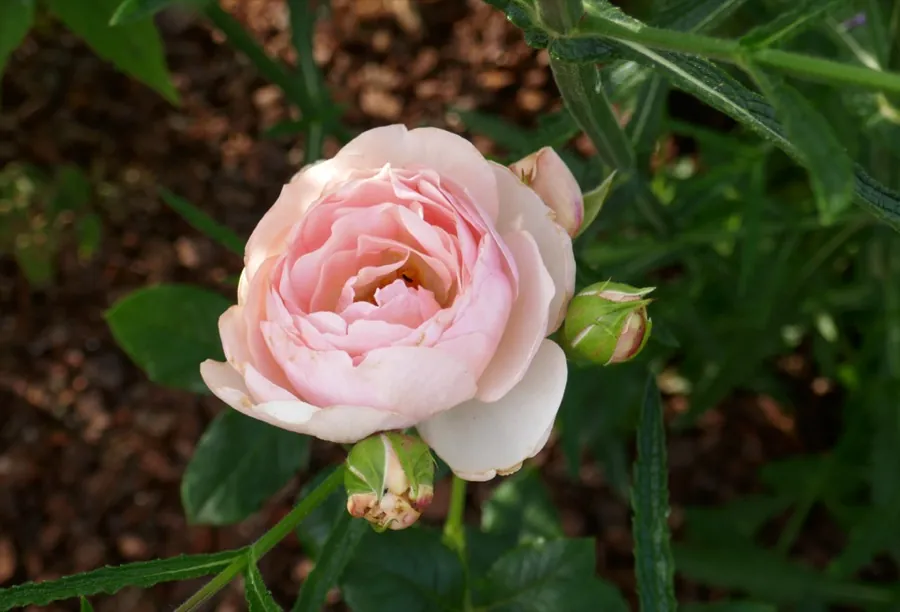
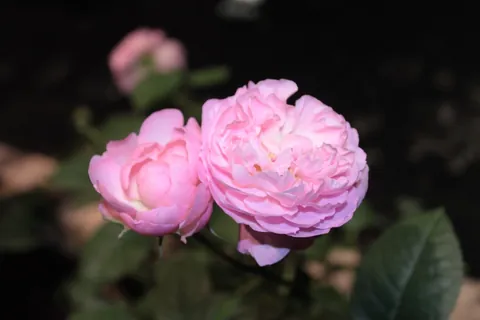
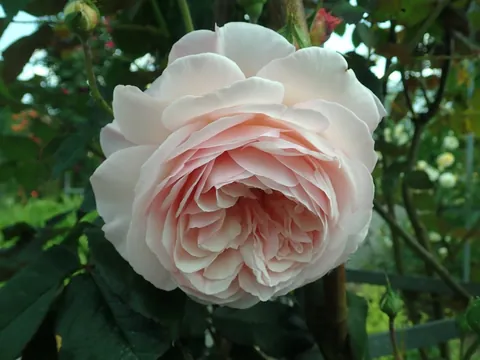
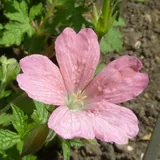
Classic cupped 'English Cup' form — deep, with delicate 'boxed' petals; diameter ~9 cm
Centre
Warm blush pink, darker than the outer petals
Fullness
Very double, ~70 petals
Flower carriage
Singly, or in small clusters of 2–3

Fragrance

Strong

Strong myrrh-fruity scent with notes of lemon, honey and clove — Austin officially describes it as 'strong myrrh with fruity, lemon, honey and clove notes'. One of the most complex scents among all English Roses; it belongs to the Austin-myrrh group.

Disease resistance

3 out of 5
Black spotmoderate

Moderate — a typical 'early Austin' (1984), whose resistance to black spot is not yet fully improved; it needs seasonal prevention.

Sun

Sun or partial shade

Tolerates some shade.

Thorns

Few
thornlessfewmoderatemanyvery many

Few prickles — pleasant for a garden beside places where people sit.

Foliage

Medium green, semi-glossy.

All characteristics in a table
Group
English Shrub
Breeder
David C.H. Austin, United Kingdom, 1984
Bud shape
Round-oval, soft blush pink
Open flower
Classic cupped 'English Cup' form — deep, with delicate 'boxed' petals; diameter ~9 cm
Centre
Warm blush pink, darker than the outer petals
Colour
'Soft shell pink' — a delicate shell pink; the centre is a little deeper (blush), fading outwards to a pearly white. One of the most delicate Austin English Roses
Fullness
Very double, ~70 petals
Flower carriage
Singly, or in small clusters of 2–3
Flowering
Repeat, in flushes through the season
Fragrance
Strong myrrh-fruity scent with notes of lemon, honey and clove — Austin officially describes it as 'strong myrrh with fruity, lemon, honey and clove notes'. One of the most complex scents among all English Roses; it belongs to the Austin-myrrh group
Hips
Possible decorative rose hips in autumn
Habit
An arching shrub with flexible canes; it has a natural, rather than upright, bush shape, which is aesthetically pleasing
Branching
Good; forms a broad bush
Shoots
Long, flexible, arching downwards
Thorns
Few prickles — pleasant for a garden beside places where people sit.
Dimensions
125–180 cm tall × 90–125 cm wide
Support
Not required; a light support will help hold up the heavy cups
Foliage
Medium green, semi-glossy
Resistance
Moderate — a typical 'early Austin' (1984), whose resistance to black spot is not yet fully improved; it needs seasonal prevention
Variations of the variety
Code AUSblush; parentage Unnamed Seedling × ('Iceberg' (Kordes 1958) × 'Wife of Bath' (Austin 1969)); Iceberg is in the WFRS Hall of Fame

Colour scheme

'Soft shell pink' — a delicate shell pink; the centre is a little deeper (blush), fading outwards to a pearly white. One of the most delicate Austin English Roses

Rose neighbours

Perennials to plant nearby

Neighbouring roses

The classic English Roses family of Chelsea 1983-84, plus parent Iceberg:

Companion perennials

Classic English pastel palette:

lavender 'Munstead'geranium 'Wargrave Pink'Stachys byzantina (lamb's ear)lady's mantle (Alchemilla)

Availability worldwide

One of the best-known David Austin English Roses of the 1980s:

  • 🇪🇺 Europe: VERY HIGH · David Austin Roses
  • 🇺🇸 USA: high
  • 🇯🇵 Asia: HIGH · Japan reveres Austin
  • 🇺🇦 Ukraine: high · top Austin rose in garden centres

More about the variety

Hips
Possible decorative rose hips in autumn
Variations of the variety
Code AUSblush; parentage Unnamed Seedling × ('Iceberg' (Kordes 1958) × 'Wife of Bath' (Austin 1969)); Iceberg is in the WFRS Hall of Fame

How to grow

Where to plant. Classic English borders, the centre of a romantic pastel flower bed, beside places where people sit (for the scent, since the myrrh notes open up on warm evenings); lovely paired with Gertrude Jekyll as a 'pair of scented Austins'.

Climate. Down to −26 °C — all of Ukraine with moderate cover in the northern regions; in the south, no cover needed.

Care. Classic Austin — prune in spring by a third; as an early Austin (1984) it needs seasonal prevention of black spot, 2 times per season; removing spent blooms encourages new flushes of bloom.

About the name

Name. 'Heritage' — English for 'heritage'. The name is a tribute to the classic old roses that David Austin aimed to 'revive' through his English Roses: repeat flowering of modern HTs and Floribundas, plus the scent and form of the old garden roses. Heritage is an allegory of 'heritage', all the past eras of roses embodied in one flower.

Breeding. Bred by David C.H. Austin, Albrighton, Great Britain, in 1984. Code AUSblush. Parentage: Unnamed Seedling × ('Iceberg' (Kordes 1958) × 'Wife of Bath' (Austin 1969)). Iceberg is the female-line parent, the legendary white floribunda from Kordes, a member of the WFRS Hall of Fame. Wife of Bath is an early Austin from 1969, and Gertrude Jekyll is also its daughter (through a different cross).

Significance. Often called 'David Austin's own favourite rose', especially for its unique myrrh-fruit-lemon scent. Heritage is one of the founders of the Austin-myrrh group, alongside Constance Spry, Cymbeline, Belle Story and Tamora. IMPORTANT CLARIFICATION: despite its high popularity, Heritage has NO official awards: there is no RHS Award of Garden Merit and no Henry Edland Medal for scent (those went to other Austins, Teasing Georgia in 2000 and Scepter'd Isle), and no WFRS Hall of Fame entry. It is a 'favourite without official titles', an example of how some varieties become iconic through quality rather than awards. Its weak point is resistance to black spot, typical of early Austins; this must be known and prevented.

Frequently asked questions about Heritage

Does Heritage need winter protection?

The cultivar’s reference temperature is −26 °C (USDA zone 5–9). Overwintering depends on the conditions. All of Ukraine with moderate cover.

How many times a season does Heritage flower?

Repeat, in flushes through the season.

How big does Heritage grow?

125–180 cm tall, 90–125 cm wide.

Which diseases affect Heritage?

Overall resistance: 3 out of 5. Moderate; an early Austin English rose; needs prevention.

How much sun does Heritage need?

Sun or partial shade; tolerates some shade.

What does Heritage smell like?

Strong myrrh-fruity scent with notes of lemon, honey and clove — Austin officially describes it as 'strong myrrh with fruity, lemon, honey and clove notes'. One of the most complex scents among all English Roses; it belongs to the Austin-myrrh group.

Gardeners' photos and reviews

My climate

Choose a reference temperature to compare with the cultivar’s data. This is not an overwintering forecast or advice on winter protection; consider wind, moisture and the duration of frost.

Regional data are generalised. USDA describes average annual extreme minima, not a forecast; the values in the list are rounded. Check the conditions at your site. More information: Roses in Ukraine's climate.