





Back to catalogue
Hybrid Tea; florist's cut roseInterplant Roses, 2008Lilac and purple

Menta

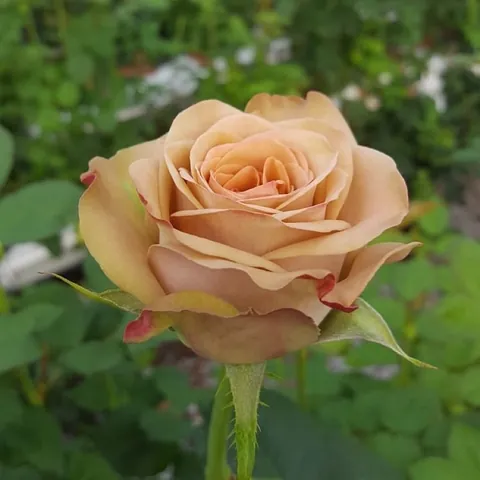
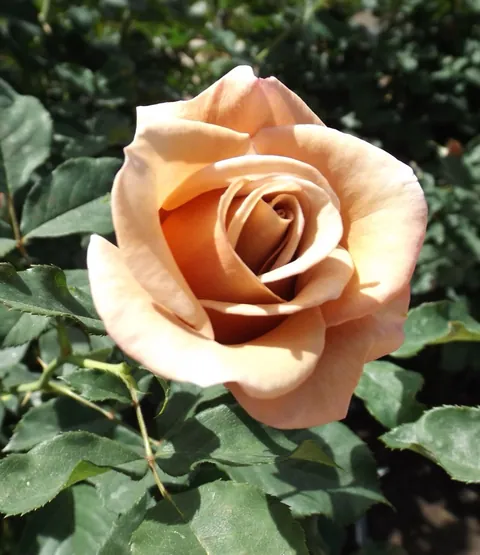
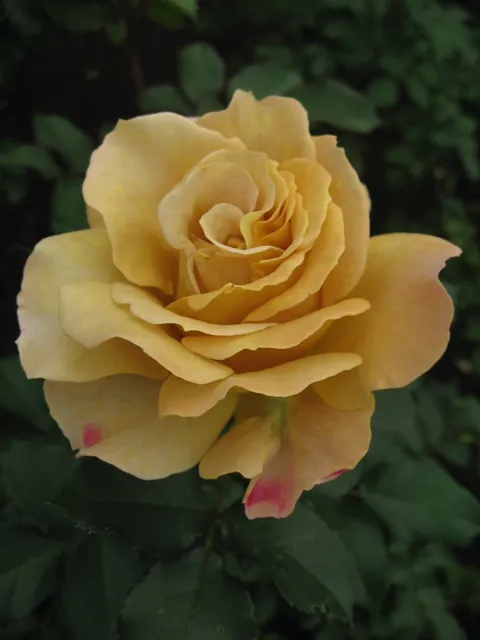
Cream with a lavender-grey tint (silvery pink + mocha + dark vanilla); large bloom of about 14 cm; the Interplant flagship in the trendy 'earthy / mocha' segment for wedding flowers.

Interplant earthy/mocha

Variety profile

Flowering

Continuous in greenhouse conditions

Purpose

Florist's HT

Interplant earthy/mocha · no official awards

Plant size

50–70 × 80 cm
person 170 cm50–70 cm
Habit
Upright, with long thin stems — typical of greenhouse HTs
Dimensions
50–70 × about 80 cm (in the greenhouse); commercial description up to 120 cm
Support
Greenhouse stem training — support for the long stem
Shoots
Long stems of 70–90 cm — premium length for wedding flowers
Branching
Medium

Flower

≈ 14 cm

17–25 petals (HMF — conservative); commercial sources give 45–55 in a fully open flower petals.

Bud shape
Elongated, high-centred, cream-pearl
Open flower
Classic reference HT — large, 14 cm; the form opens gradually from a quartered centre
Centre
Tightly packed, cream-lavender with a milky grey sheen
Fullness
17–25 petals (HMF — conservative); commercial sources give 45–55 in a fully open flower
Flower carriage
Singly on a long stem — typical for cut roses

Fragrance

Barely noticeable; light

Barely noticeable — not given by HMF; commercial sources write 'strong, distinctive' — not officially confirmed, probably light.

Disease resistance

4 out of 5

3–4/5, conditional — stable in greenhouse conditions; it also grows in the garden, and gardeners grow it successfully in open ground.

Sun

Warm

Greenhouse light; controlled conditions.

Thorns

Moderate
thornlessfewmoderatemanyvery many

Average number of thorns, typical of cut HTs.

Foliage

Medium green — a background effect in the bouquet.

All characteristics in a table
Group
Hybrid Tea; florist's cut rose
Breeder
Interplant Roses, Netherlands, 2008
Bud shape
Elongated, high-centred, cream-pearl
Open flower
Classic reference HT — large, 14 cm; the form opens gradually from a quartered centre
Centre
Tightly packed, cream-lavender with a milky grey sheen
Colour
A complex 'earthy' palette: cream with a lavender-grey tint; under light and at the stage of opening the colour changes — silvery pink, mocha, dark vanilla. A trendy palette of the 2010s for wedding flowers
Fullness
17–25 petals (HMF — conservative); commercial sources give 45–55 in a fully open flower
Flower carriage
Singly on a long stem — typical for cut roses
Flowering
Continuous in greenhouse conditions
Fragrance
Barely noticeable — not given by HMF; commercial sources write 'strong, distinctive' — not officially confirmed, probably light
Hips
Not documented — greenhouse plants do not produce hips
Habit
Upright, with long thin stems — typical of greenhouse HTs
Branching
Medium
Shoots
Long stems of 70–90 cm — premium length for wedding flowers
Thorns
Average number of thorns, typical of cut HTs.
Dimensions
50–70 × about 80 cm (in the greenhouse); commercial description up to 120 cm
Support
Greenhouse stem training — support for the long stem
Foliage
Medium green — a background effect in the bouquet
Resistance
3–4/5, conditional — stable in greenhouse conditions; it also grows in the garden, and gardeners grow it successfully in open ground
Variations of the variety
Code INTermetal; HMF classifies it as HT (not 'Intermediate Hybrid Tea' — that is Interplant's marketing category). Parentage not published. HMF: 17–25 petals; commercial sources: 45–55. The discrepancy is due to the stages of opening.

Colour scheme

A complex 'earthy' palette: cream with a lavender-grey tint; under light and at the stage of opening the colour changes — silvery pink, mocha, dark vanilla. A trendy palette of the 2010s for wedding flowers

Rose neighbours

Perennials to plant nearby

Neighbouring roses

'Brown-cream' family — the trendy wedding-florist palette of the 2010s:

Companion perennials

A classic 'boho/vintage' family — for dusty cream-brown arrangements:

gypsophilacinerariascabioushelichrysum

Availability worldwide

Premium cut-flower variety from Interplant — the flagship of the 'earthy/mocha' segment:

  • 🇳🇱 Netherlands: high · Royal FloraHolland
  • 🇪🇺 Europe: high · via dealers
  • 🇺🇸 USA: high · florist wholesalers
  • 🇺🇦 Ukraine: high · as cut flowers via wholesalers

More about the variety

Hips
Not documented — greenhouse plants do not produce hips
Variations of the variety
Code INTermetal; HMF classifies it as HT (not 'Intermediate Hybrid Tea' — that is Interplant's marketing category). Parentage not published. HMF: 17–25 petals; commercial sources: 45–55. The discrepancy is due to the stages of opening.

How to grow

Where to plant. First and foremost this is a florist's cut HT — bred for greenhouses and wedding flowers, it performs best as a premium cut rose for wedding and 'boho / vintage' bouquets with a brown-cream palette. But it also grows well in the garden: in the Forest-Steppe and Steppe — in the open, in the north — with cover. A sunny place, fertile soil.

Climate. Bred for greenhouses, but it also overwinters in open ground: in the Forest-Steppe / Steppe — with light cover, in the north — with full cover. Not every winter is the same — in harsh, snowless years freezing damage is possible, so winter cover is advisable.

Care. In greenhouse conditions — control of light and temperature; vase life 10–14 days with correct stem treatment.

About the name

Name. 'Menta' — Italian/Spanish for 'mint' — for its cool 'mint-like' palette of cream-lavender tones, which recalls the shades of mint leaves and freshness. The name accurately describes the variety's 'cool' earthy tone — in the trendy 'earthy / mocha' palette that became especially popular in wedding flowers in the 2010s.

Breeding. Bred at Interplant Roses BV (the Netherlands), released in 2008. Code INTermetal. Parentage not published (Interplant's usual practice). HMF classifies it as a Hybrid Tea; on the Interplant website it is listed as an intermediate between garden and cut roses. The variety was specially developed for 'boho / vintage' wedding flowers.

Significance. The 4th Interplant work in our catalogue (alongside Ibiza, Macarena, Pink Macarena). The 8th florist's cut rose in our catalogue — alongside Fire Flash, High Magic, Kerio, Lydia, Limbo, Luxor, Macarena. The 'Earthy/mocha' family in the catalogue — Menta continues the subgroup together with Koko Loko, Hot Cocoa, Honey Dijon, Cappuccino. A separate themed page 'Brown roses — the wedding-flower fashion of the 2010s' is overdue. Without major official awards — this is not an 'award' type of variety but a commercial florist's one.

Frequently asked questions about Menta

How many times a season does Menta flower?

Continuous in greenhouse conditions.

How big does Menta grow?

50–70 cm tall, about 80 cm wide.

Which diseases affect Menta?

Overall resistance: 4 out of 5. 3–4 / 5; conditional; stable in greenhouse conditions.

How much sun does Menta need?

Warm; greenhouse light; controlled conditions.

What does Menta smell like?

Barely noticeable — not given by HMF; commercial sources write 'strong, distinctive' — not officially confirmed, probably light.

Gardeners' photos and reviews

My climate

Choose a reference temperature to compare with the cultivar’s data. This is not an overwintering forecast or advice on winter protection; consider wind, moisture and the duration of frost.

Regional data are generalised. USDA describes average annual extreme minima, not a forecast; the values in the list are rounded. Check the conditions at your site. More information: Roses in Ukraine's climate.