


Back to catalogue
Florist Shrub Rose; «Dutch Florist Shrub»Jan Spek Rozen; Boskoop, 2019Pink

Notting Hill

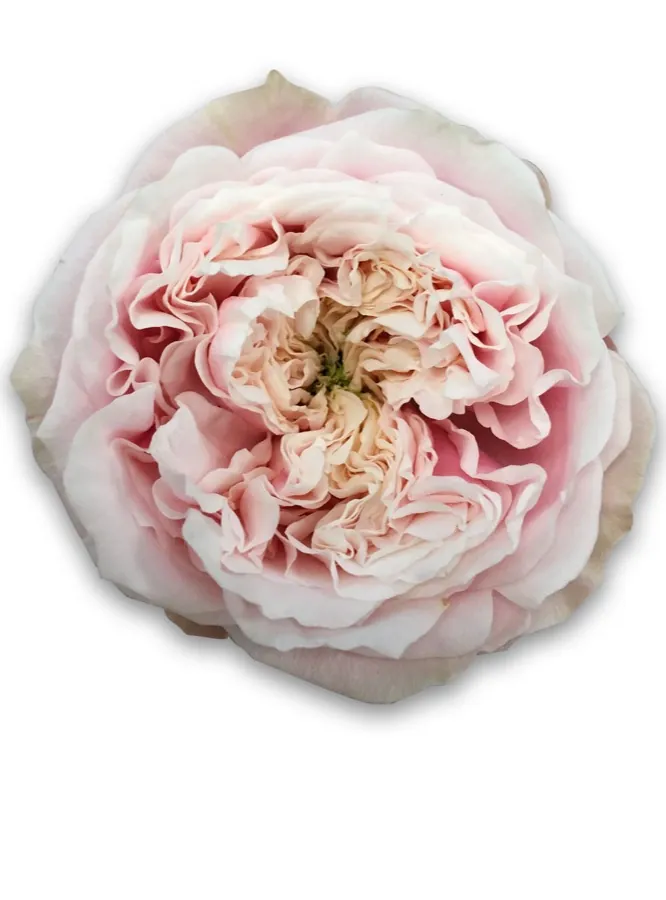
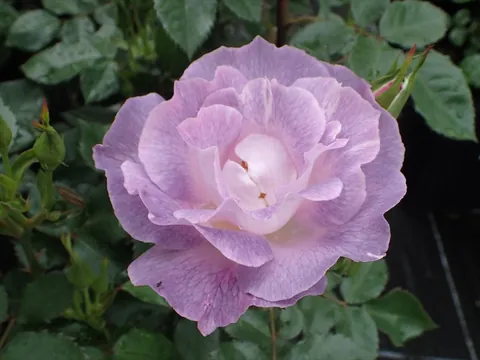
Soft pink with an apricot heart — named after the famous London district and the 1999 film; Dutch Florist Shrub — a hybrid of a modern shrub and a cut-flower rose; sweet lemony-fruity scent — the signature of Jan Spek; 🇳🇱 the Dutch house Jan Spek Rozen (Boskoop).

Jan Spek Rozen · series of 'cinematic and literary' names (Mansfield Park, Notting Hill, etc.)

Variety profile

Flowering

Repeat, in flushes

Repeat-flowering from June to October, with a pronounced first flush. Months are approximate, for the climate of Ukraine.

Use

Garden + cut flowers

Dutch Florist Shrub · borders and bouquets

Winter hardiness

−20 °C

USDA zone 6–7. In Ukraine, with winter protection.

Compare reference temperatures

Plant size

100–120 × 80–100 cm
person 170 cm100–120 cm
Habit
Upright, well-branched Dutch shrub
Dimensions
~100–120 cm × ~80–100 cm — typical of Spek-varieties
Support
Not needed — self-supporting
Shoots
Sturdy, straight — good for home bouquets
Branching
Well branched, with sturdy stems for cutting

Flower

7–10 cm
Bud shape
Round, soft pink with an apricot tinge
Open flower
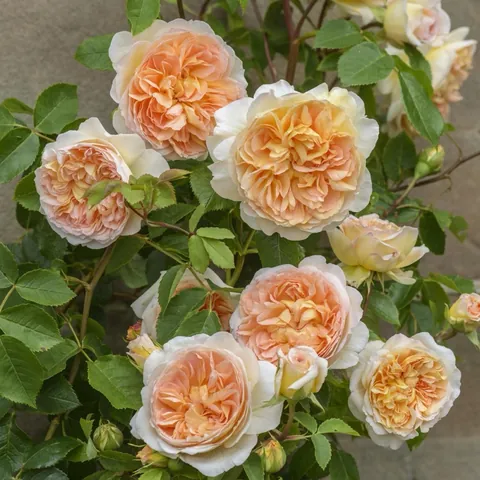
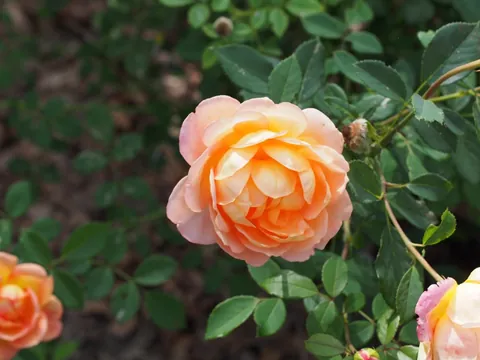
Very full (41+): cup-and-rosette form, with a noticeable apricot glow in the centre
Centre
Closely packed with an apricot-peach heart — the main visual highlight
Fullness
50–80 petals (very full)
Flower carriage
In small clusters of 3–5 — typical of Dutch Florist Shrubs

Fragrance

Moderate; sweet lemony-fruity

Moderate, sweet lemony-fruity — the signature of Jan Spek, valued by florists.

Disease resistance

4 out of 5

Good — 4/5; typical of Dutch Florist Shrubs; in Ukraine it needs winter protection.

Sun

Sun and shade

Full sun, tolerates light partial shade.

Thorns

Few
thornlessfewmoderatemanyvery many

Few thorns — typical of Dutch Florist Shrubs.

Foliage

Dark green, glossy — a nice contrast to the pastel flowers.

All characteristics in a table
Group
Florist Shrub Rose; «Dutch Florist Shrub»
Breeder
Jan Spek Rozen; Boskoop, Netherlands, 2019
Bud shape
Round, soft pink with an apricot tinge
Open flower
Very full (41+): cup-and-rosette form, with a noticeable apricot glow in the centre
Centre
Closely packed with an apricot-peach heart — the main visual highlight
Colour
Pink to apricot gradient: the outer petals are soft pink with a peach-apricot centre. A pastel 'vintage' palette. The colour is brighter in cool weather
Fullness
50–80 petals (very full)
Flower carriage
In small clusters of 3–5 — typical of Dutch Florist Shrubs
Flowering
Repeat-flowering from June to October, with a pronounced first flush
Fragrance
Moderate, sweet lemony-fruity — the signature of Jan Spek, valued by florists
Hips
Not documented — cut for repeat flowering and bouquets
Habit
Upright, well-branched Dutch shrub
Branching
Well branched, with sturdy stems for cutting
Shoots
Sturdy, straight — good for home bouquets
Thorns
Few thorns — typical of Dutch Florist Shrubs.
Dimensions
~100–120 cm × ~80–100 cm — typical of Spek-varieties
Support
Not needed — self-supporting
Foliage
Dark green, glossy — a nice contrast to the pastel flowers
Resistance
Good — 4/5; typical of Dutch Florist Shrubs; in Ukraine it needs winter protection
Variations of the variety
Patent status: unknown (HMF: 'Patent status unknown'). Introduced 2019 through Jan Spek Rozen (Boskoop). Parentage not published. NOT Harkness (a common myth) — it is a Dutch variety

Colour scheme

Pink to apricot gradient: the outer petals are soft pink with a peach-apricot centre. A pastel 'vintage' palette. The colour is brighter in cool weather

Rose neighbours

Perennials to plant nearby

Neighbouring roses

Pastel apricot cottage family — creates an English 'Notting Hill' mood:

Perennial companions

Classic English cottage palette with purple-silver tones:

lavenderlamb's ear (Stachys)sedumlady's mantle (Alchemilla)

Availability worldwide

Growing popularity as a Dutch Florist Shrub:

  • 🇳🇱 Netherlands: high · Jan Spek Rozen home
  • 🇬🇧 UK: moderate · via importers
  • 🇺🇸 USA: moderate · Grace Rose Farm, April & Ashley
  • 🇺🇦 Ukraine: rare, but emerging

More about the variety

Hips
Not documented — cut for repeat flowering and bouquets
Variations of the variety
Patent status: unknown (HMF: 'Patent status unknown'). Introduced 2019 through Jan Spek Rozen (Boskoop). Parentage not published. NOT Harkness (a common myth) — it is a Dutch variety

How to grow

Where to plant. In an English cottage garden, in borders with lavender, as an accent in a pastel palette. A lovely cut shrub for home bouquets in a 'vintage / romantic' style.

Climate. Central and eastern Ukraine with winter protection (USDA 6–7); in a western climate no protection is needed. The colour is brighter in cool weather.

Care. Full sun or light shade; a well-ventilated spot; feed 2–3 times a season; prune ~⅓ in spring; cut for home bouquets — it lasts well in a vase thanks to its sturdy stems.

About the name

Name. 'Notting Hill' — a district of London known for its pastel façades and the cult film 'Notting Hill' (1999, Hugh Grant and Julia Roberts). The name suits the variety's character perfectly: a soft pastel with an apricot heart, like the façades of Notting Hill at dawn. Part of the 'literary and film' series by Jan Spek (with names such as Mansfield Park and similar).

Breeding. Bred at Jan Spek Rozen (Boskoop, Netherlands), a Dutch house known for the Dutch Florist Shrub category, a hybrid of a modern shrub and a cut-flower rose. Introduced 2019. Parentage not published. Patent status unknown (HMF: 'Patent status unknown'). NOT Harkness (a common myth in catalogues); it is a Dutch variety.

Significance. The 'Dutch Florist Shrub' category is a relatively new one (from the 2010s), combining garden toughness with cut-flower quality. Other members include Mansfield Park, Hot Cocoa and others. The sweet lemony-fruity signature scent of Jan Spek is valued by florists for wedding bouquets. No official awards: AARS, ADR and RHS AGM not given. An 'artistic and florist' variety.

Frequently asked questions about Notting Hill

Does Notting Hill need winter protection?

The cultivar’s reference temperature is −20 °C (USDA zone 6–7). Overwintering depends on the conditions. In Ukraine, with winter protection.

How many times a season does Notting Hill flower?

Repeat-flowering from June to October, with a pronounced first flush.

How big does Notting Hill grow?

100–120 cm tall, 80–100 cm wide.

Which diseases affect Notting Hill?

Overall resistance: 4 out of 5. Good garden performance; typical of Dutch Florist Shrubs.

How much sun does Notting Hill need?

Sun and shade; full sun, tolerates light partial shade.

What does Notting Hill smell like?

Moderate, sweet lemony-fruity — the signature of Jan Spek, valued by florists.

Gardeners' photos and reviews

My climate

Choose a reference temperature to compare with the cultivar’s data. This is not an overwintering forecast or advice on winter protection; consider wind, moisture and the duration of frost.

Regional data are generalised. USDA describes average annual extreme minima, not a forecast; the values in the list are rounded. Check the conditions at your site. More information: Roses in Ukraine's climate.