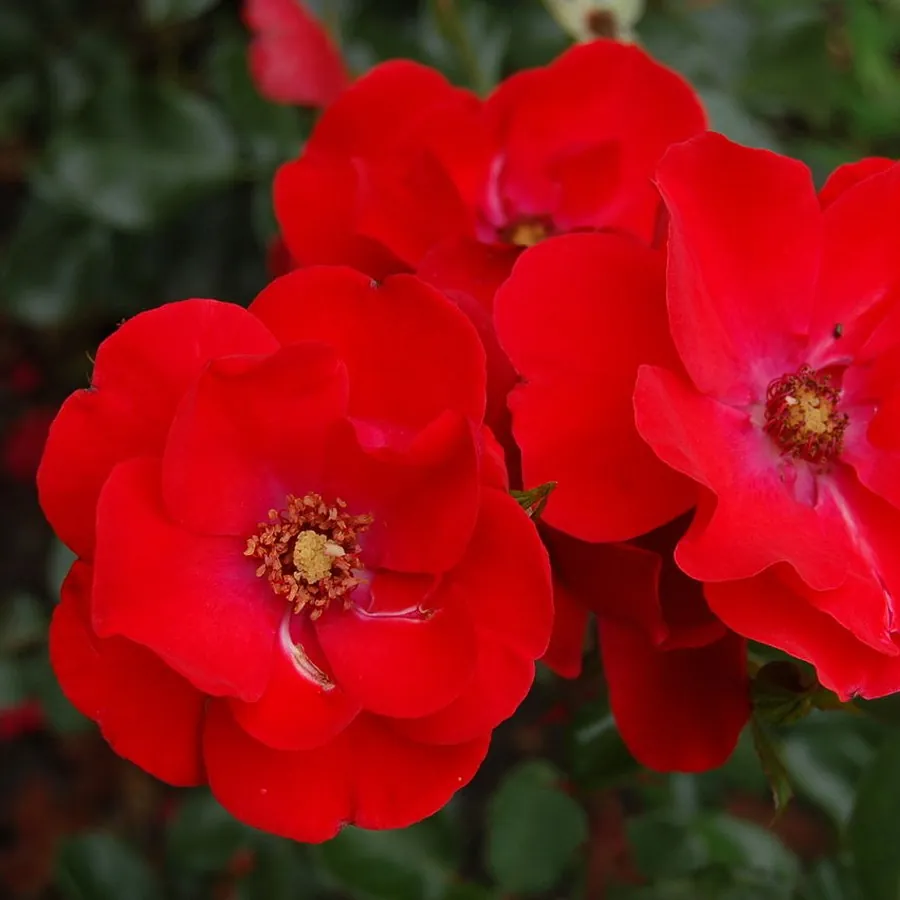
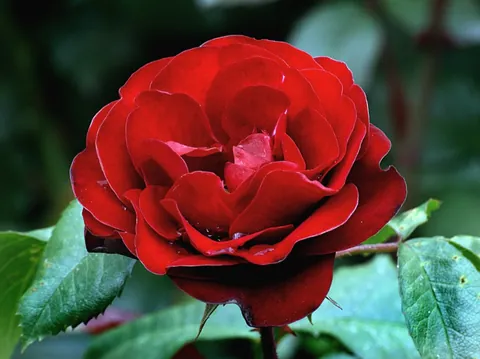



Paprika, close-up of the flower
Photo: Huhu, Public Domain
Back to catalogue
FloribundaMathias Tantau Jr.Apricot and orange

Paprika

A bright brick-red (geranium-red) Floribunda by Mathias Tantau; RNRS Gold Medal 1959; named after the spice paprika for its 'spicy', fiery colour; from 'Märchenland' × 'Red Favorite'.

Classic brick-red FL Tantau, 1950s

Variety profile

Flowering

Abundant repeat flowering throughout the season

Awards

RNRS Gold 1959

+ RNRS Certificate of Merit 1957 · Hague Gold 1961

Winter hardiness

−20 °C

USDA zone 6b–9b. Moderate; in Ukraine, light winter protection and a sheltered site. Moderate · in Ukraine light winter protection + a sheltered spot.

Compare reference temperatures

Plant size

80–100 × 70 cm
person 170 cm80–100 cm
Habit
Upright and bushy; a typical Tantau Floribunda of the 1950s
Dimensions
Height varies by source: 50–60 cm (HelpMeFind) to 80–100 cm (catalogues) × ~70 cm wide
Support
No support needed
Shoots
Strong; hold large trusses of flowers
Branching
Good, bushy

Flower

7–9 cm
Bud shape
Bright red, refined
Open flower
Cupped and flat, semi-double; 7–9 cm across
Centre
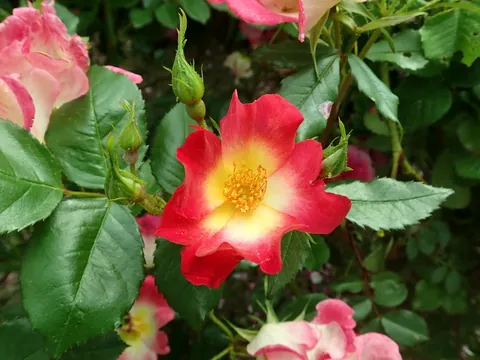
Open, with yellow stamens
Fullness
Semi-double, 9–16 petals
Flower carriage
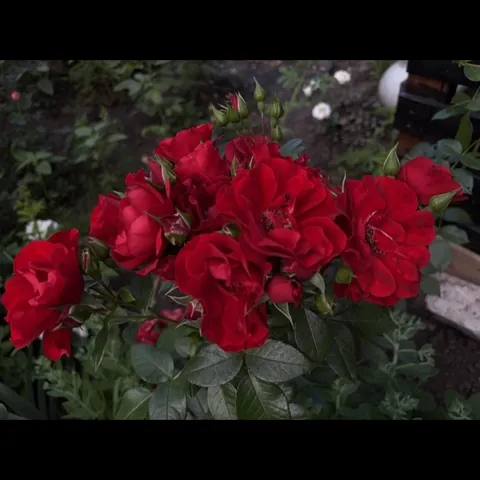
In large trusses of 5–10 flowers; a typical Floribunda-type form

Fragrance

Barely noticeable

Barely noticeable: weak, light, unobtrusive.

Disease resistance

4 out of 5

Good disease resistance (4/5).

Sun

Full sun

Rain-resistant.

Thorns

Few
thornlessfewmoderatemanyvery many

Precise data are scarce; approximately moderate in number.

Foliage

Glossy dark green, a good background for the fiery flowers.

All characteristics in a table
Group
Floribunda
Breeder
Mathias Tantau Jr., Germany
Bud shape
Bright red, refined
Open flower
Cupped and flat, semi-double; 7–9 cm across
Centre
Open, with yellow stamens
Colour
Brick-red / scarlet (geranium-red); near the base of the petals a blue-purple tint. Rain-resistant; no data on fading.
Fullness
Semi-double, 9–16 petals
Flower carriage
In large trusses of 5–10 flowers; a typical Floribunda-type form
Flowering
Abundant repeat flowering throughout the season
Fragrance
Barely noticeable: weak, light, unobtrusive
Hips
Not documented
Habit
Upright and bushy; a typical Tantau Floribunda of the 1950s
Branching
Good, bushy
Shoots
Strong; hold large trusses of flowers
Thorns
Precise data are scarce; approximately moderate in number.
Dimensions
Height varies by source: 50–60 cm (HelpMeFind) to 80–100 cm (catalogues) × ~70 cm wide
Support
No support needed
Foliage
Glossy dark green, a good background for the fiery flowers
Resistance
Good disease resistance (4/5)
Variations of the variety
Code TANprik; parentage 'Märchenland' × 'Red Favorite'. There are several namesake roses called 'Paprika': a Tantau shrub (2006), a Meilland variety (1995), a Warner variety (1991); ours is the classic Floribunda TANprik of 1958. Descendants of this variety: 'Andalusien', 'Heidefeuer'.

Colour scheme

Brick-red / scarlet (geranium-red); near the base of the petals a blue-purple tint. Rain-resistant; no data on fading.

Rose neighbours

Perennials to plant nearby

Rose neighbours

A bright red family of Floribundas:

Perennial companions

A silver-blue family to contrast with the fiery colour:

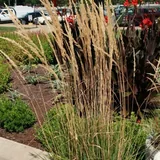
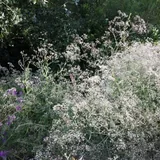
Byzantine stachyscatmint (Nepeta)ornamental grassesgypsophila

Availability worldwide

A classic 1950s Tantau Floribunda:

🇩🇪 Germany: historic · Tantau's home🇪🇺 Europe: collectors' classic🇺🇦 Ukraine: rare · via collectors

More about the variety

Hips
Not documented
Variations of the variety
Code TANprik; parentage 'Märchenland' × 'Red Favorite'. There are several namesake roses called 'Paprika': a Tantau shrub (2006), a Meilland variety (1995), a Warner variety (1991); ours is the classic Floribunda TANprik of 1958. Descendants of this variety: 'Andalusien', 'Heidefeuer'.

How to grow

Where to plant. Bright red borders, groups and landscape masses; the glossy dark green foliage keeps the bush decorative even out of bloom. Striking against silver and blue perennials.

Climate. USDA 6b–9b, down to −20 °C, medium winter hardiness; in Ukraine light winter protection and a site sheltered from wind are advisable.

Care. A classic Floribunda; prune in spring; abundant repeat flowering throughout the season with regular removal of spent trusses.

About the name

Name. 'Paprika', after the spice paprika: the name was given for the bright red, 'spicy', fiery colour of the flowers (geranium-red / scarlet).

Breeding. Bred by Mathias Tantau Jr. in Germany, 1957/1958. Code TANprik. Parentage: 'Märchenland' × 'Red Favorite'. The variety became the parent of new roses: 'Andalusien' and 'Heidefeuer'. Awards: RNRS Certificate of Merit 1957, RNRS Gold Medal 1959, Hague Gold Medal 1961. Note on namesakes: several different roses are called 'Paprika': a Tantau shrub (2006), a Meilland variety (1995) and a Warner variety (1991). Our rose is the classic Floribunda TANprik of 1958, not to be confused with them.

Frequently asked questions about Paprika

Does Paprika need winter protection?

The cultivar’s reference temperature is −20 °C (USDA zone 6b–9b). Overwintering depends on the conditions. Moderate; in Ukraine, light winter protection and a sheltered site.

How many times a season does Paprika flower?

Abundant repeat flowering throughout the season.

How big does Paprika grow?

80–100 cm tall, about 70 cm wide.

Which diseases affect Paprika?

Overall resistance: 4 out of 5. Good resistance.

How much sun does Paprika need?

Sun; full sun; rain-resistant.

What does Paprika smell like?

Barely noticeable: weak, light, unobtrusive.

Gardeners' photos and reviews

My climate

Choose a reference temperature to compare with the cultivar’s data. This is not an overwintering forecast or advice on winter protection; consider wind, moisture and the duration of frost.

Regional data are generalised. USDA describes average annual extreme minima, not a forecast; the values in the list are rounded. Check the conditions at your site. More information: Roses in Ukraine's climate.