



Back to catalogue
Floribunda; soft light pink with apricotScrivensPink

Pretty Lady

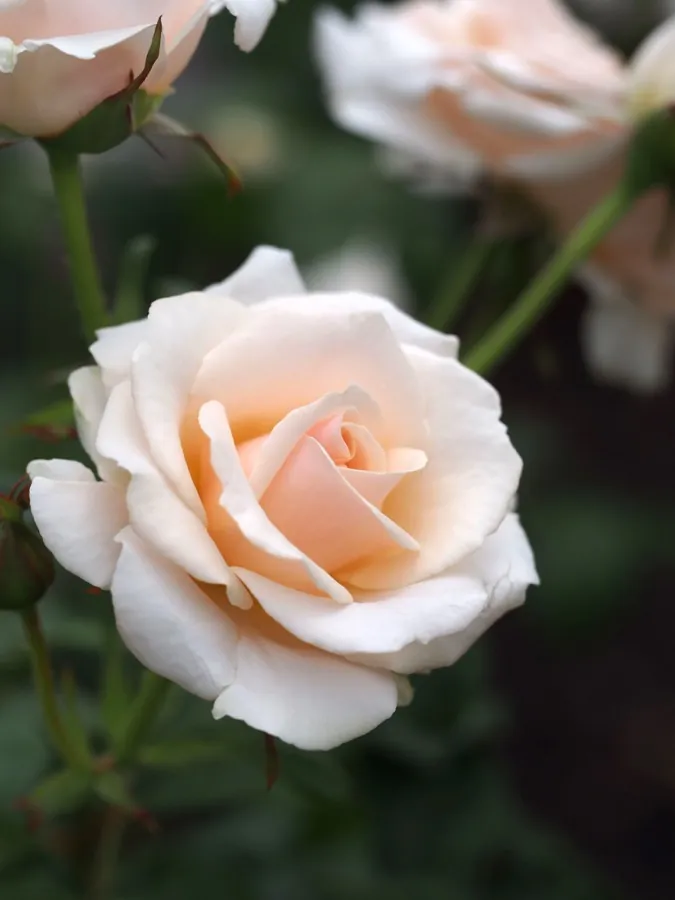
A light pink Floribunda with apricot tones; a poetic marketing name by Scrivens ('pretty lady'); 🇬🇧 one of the popular British Floribundas of the 1990s; it replaced the variety 'Poesie' because of a lack of data on the latter.

'excellent' HMF rating

Variety profile

Flowering

Repeat flowering

Repeat-flowering from June to October — generous. Months are approximate, for the climate of Ukraine.

Use

Garden + cut flowers

'excellent' HMF rating

Winter hardiness

−20 °C

USDA zone 6. Central and southern Ukraine with light winter protection.

Compare reference temperatures

Plant size

90 × 60 cm
person 170 cm90 cm
Habit
Upright, compact — typical Floribunda
Dimensions
About 90 cm high × about 60 cm wide — compact Floribunda
Support
Not needed — self-supporting
Shoots
Strong, straight
Branching
Well branched, nicely even

Flower

≈ 8 cm

20 petals.

Bud shape
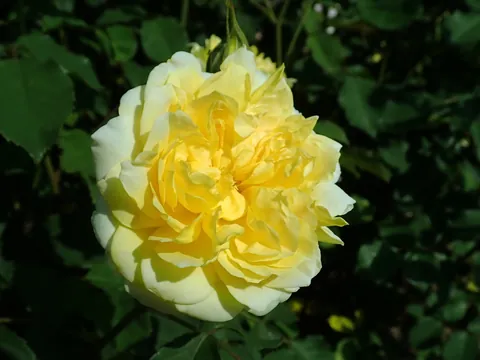
Orange — opening to light pink with apricot tones
Open flower
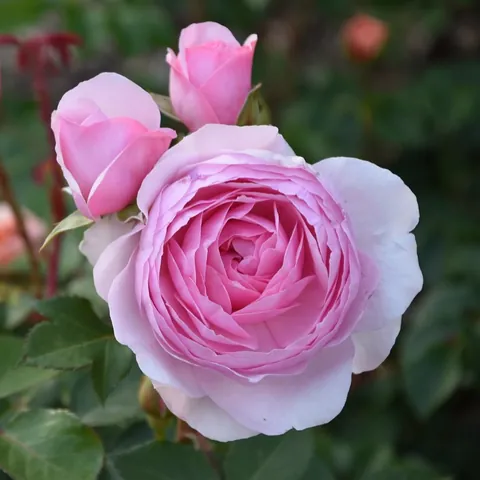
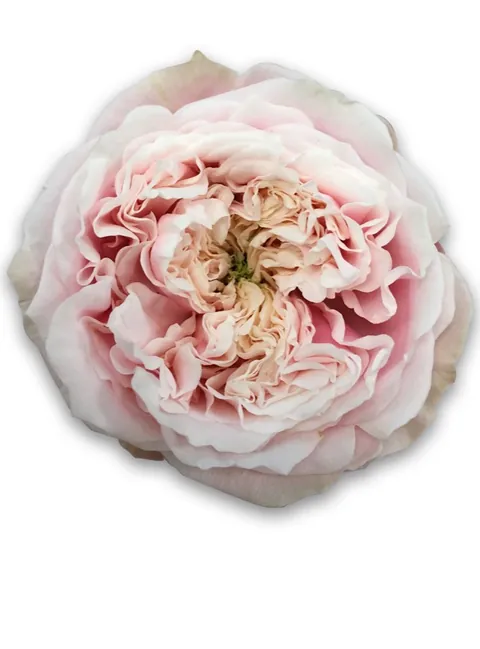
Classic Floribunda-form: about 8 cm, moderately double
Centre
Open, with prominent stamens
Fullness
About 20 petals (semi-double)
Flower carriage
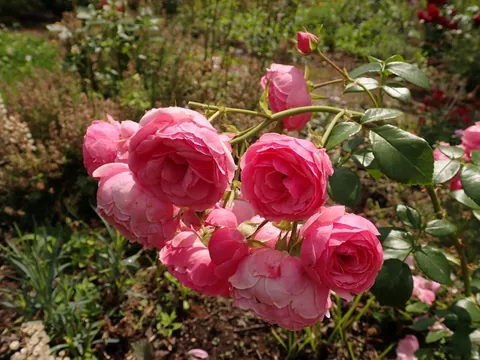
In generous clusters — typical of Floribundas

Fragrance

Light; soft and sweet

Disease resistance

4 out of 5
Black spotresistant

High resistance to black spot; in Ukraine, central and southern regions with light winter protection, the north with winter protection.

Sun

Sun and shade

Full sun or light shade.

Thorns

Few
thornlessfewmoderatemanyvery many

Few thorns — typical of modern Floribundas.

Foliage

Dark green, semi-glossy.

All characteristics in a table
Group
Floribunda; soft light pink with apricot
Breeder
Scrivens, United Kingdom
Bud shape
Orange — opening to light pink with apricot tones
Open flower
Classic Floribunda-form: about 8 cm, moderately double
Centre
Open, with prominent stamens
Colour
Light pink with apricot tones: a contrast with orange buds — a two-tone effect on the bush (orange buds and pink open flowers together)
Fullness
About 20 petals (semi-double)
Flower carriage
In generous clusters — typical of Floribundas
Flowering
Repeat-flowering from June to October — generous
Fragrance
Light, soft and sweet
Hips
Not documented — typically cut for flower arrangements
Habit
Upright, compact — typical Floribunda
Branching
Well branched, nicely even
Shoots
Strong, straight
Thorns
Few thorns — typical of modern Floribundas.
Dimensions
About 90 cm high × about 60 cm wide — compact Floribunda
Support
Not needed — self-supporting
Foliage
Dark green, semi-glossy
Resistance
High resistance to black spot; in Ukraine, central and southern regions with light winter protection, the north with winter protection
Variations of the variety
Code SCRivo. Breeder: Scrivens (Great Britain). Bred before 1991. Parentage: unnamed seedling × ['R. davidii elongata' × unnamed seedling] (seed) × [Troika × Alpine Sunset] × Freedom (pollen) — a complex parentage with wild R. davidii in its background

Colour scheme

Light pink with apricot tones: a contrast with orange buds — a two-tone effect on the bush (orange buds and pink open flowers together)

Rose neighbours

Perennials to plant nearby

Neighbouring roses

A tender pink Floribunda family creates a pastel composition:

Companion perennials

Classic cottage palette:

lavenderlady's mantle (Alchemilla)lamb's ears (Stachys)catmint (Nepeta)

Availability worldwide

A British Floribunda, available from specialist nurseries:

🇬🇧 UK: high · C & K Jones, Greenleaf Nursery🇺🇸 USA: moderate · Heirloom, Tagawa Gardens🇪🇺 Europe: moderate🇺🇦 Ukraine: rare · collector nurseries

More about the variety

Hips
Not documented — typically cut for flower arrangements
Variations of the variety
Code SCRivo. Breeder: Scrivens (Great Britain). Bred before 1991. Parentage: unnamed seedling × ['R. davidii elongata' × unnamed seedling] (seed) × [Troika × Alpine Sunset] × Freedom (pollen) — a complex parentage with wild R. davidii in its background

How to grow

Where to plant. In soft pastel borders, at the front of beds (the flowers are low-growing); as an accent in pastel cottage-style schemes; good for 'girly' corners of the garden — the poetic marketing name suits it perfectly.

Climate. Central and southern Ukraine with light winter protection (USDA 6); tolerates summer heat well.

Care. Full sun or light shade; high resistance to black spot — minimal preventive treatment; feed 2–3 times a season; spring pruning by ⅓.

About the name

Name. 'Pretty Lady' — 'pretty lady'. A poetic marketing name by Scrivens, in the spirit of Victorian and Edwardian English romance (like the other names of that era — Pretty Polly, Pretty Jessica). It is not a commemorative name — it is purely aesthetic. The name captures the variety's character well: soft pastel shades, an orange bud and pink flower, like a fashionable gradient.

Breeding. Bred by Scrivens in Great Britain — a less well-known British breeder. Code SCRivo. Bred before 1991. Parentage: complex, with R. davidii elongata (a wild Chinese species) in its background — hence the good disease resistance and the unusual colour gradation. The Pollen-parent includes Troika, Alpine Sunset and Freedom — a family of bright pink and orange roses.

Significance. An 'Excellent' rating on HMF (39 favourite votes) — practical recognition from gardeners. High resistance to black spot, inherited from the wild R. davidii. The contrast of orange buds and pink open flowers gives a two-tone effect on the bush, typical of Floribunda Scrivens roses. No major official awards (AARS, ADR, RHS AGM not publicly given). Catalogue note: this entry replaces the earlier 'Poesie' entry, because verified data on the latter was lacking (possibly a locally used Baltic name without international registration).

Frequently asked questions about Pretty Lady

Does Pretty Lady need winter protection?

The cultivar’s reference temperature is −20 °C (USDA zone 6). Overwintering depends on the conditions. Central and southern Ukraine with light winter protection.

How many times a season does Pretty Lady flower?

Repeat-flowering from June to October — generous.

How big does Pretty Lady grow?

About 90 cm tall, about 60 cm wide.

Which diseases affect Pretty Lady?

Overall resistance: 4 out of 5. High resistance to black spot.

How much sun does Pretty Lady need?

Sun and shade; full sun or light shade.

What does Pretty Lady smell like?

Light, soft and sweet.

Gardeners' photos and reviews

My climate

Choose a reference temperature to compare with the cultivar’s data. This is not an overwintering forecast or advice on winter protection; consider wind, moisture and the duration of frost.

Regional data are generalised. USDA describes average annual extreme minima, not a forecast; the values in the list are rounded. Check the conditions at your site. More information: Roses in Ukraine's climate.