


About the name
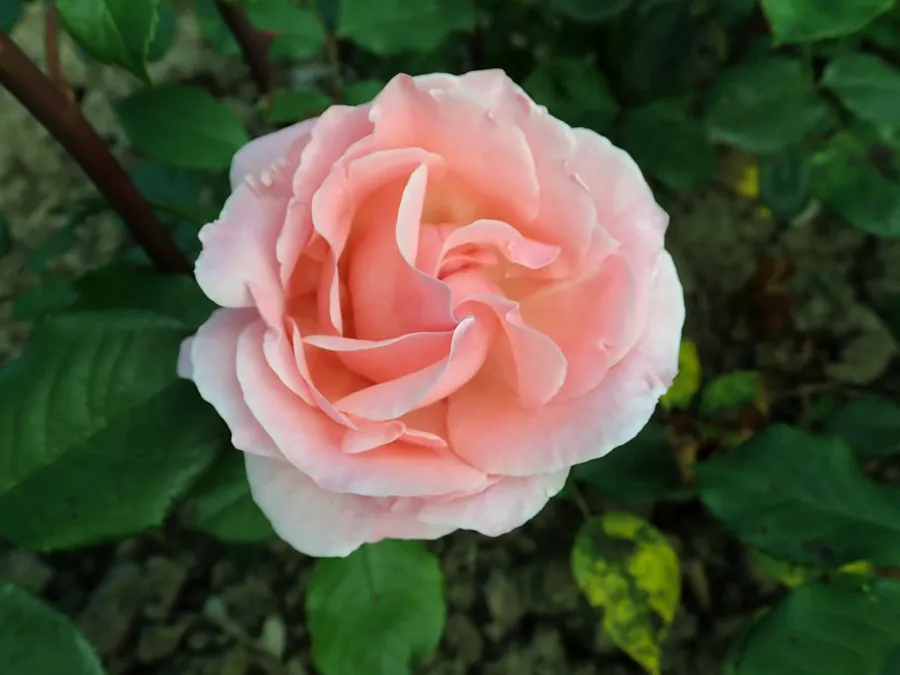
Name. 'Queen Elizabeth' — after Queen Elizabeth II's accession to the British throne in 1952. It was a tribute to the new queen in the United States: Lammerts named the variety before her coronation (June 1953), at a time when the whole world was discussing the young queen. Synonym: 'The Queen Elizabeth Rose'.
Breeding. Bred by Dr Walter E. Lammerts (1904–1996) at Germain's Inc. (USA) — one of the leading American breeders of the mid-XX century. Bred by 1951, introduced in 1954 in the USA and 1955 in Europe. Parentage: 'Charlotte Armstrong' (HT, Lammerts 1940) × 'Floradora' (Floribunda, Tantau 1944). The combination of the HT form with Floribunda-clusters gave rise to a whole class. US Plant Patent PP1,259 (23.02.1954).
Significance. THE PROGENITOR OF THE WHOLE GRANDIFLORA CLASS — the American Rose Society (ARS) specially created the new 'Grandiflora' class in 1955 to classify Queen Elizabeth. She fitted neither HT nor Floribunda, combining features of both. WFRS World's Favourite Rose / Hall of Fame 1979 — THE FIRST INDUCTION INTO THE HALL OF FAME (chronologically the first chosen in history; Peace received the Hall of Fame 3 years earlier through a separate 'World's Favourite' process). 8 major international awards: AARS 1955, Portland Gold 1954, NRS President's Trophy 1955, ARS Gold 1957, Golden Rose of The Hague 1968, WFRS HoF 1979, ARS Best Established Rose 2015 and others. Continuously popular for over 70 years — a symbol of post-war rose breeding. Together with Peace, it is the most important rose of the XX century.