



Back to catalogue
Low climber / shrub on a supportTantau, 2012Lilac and purple

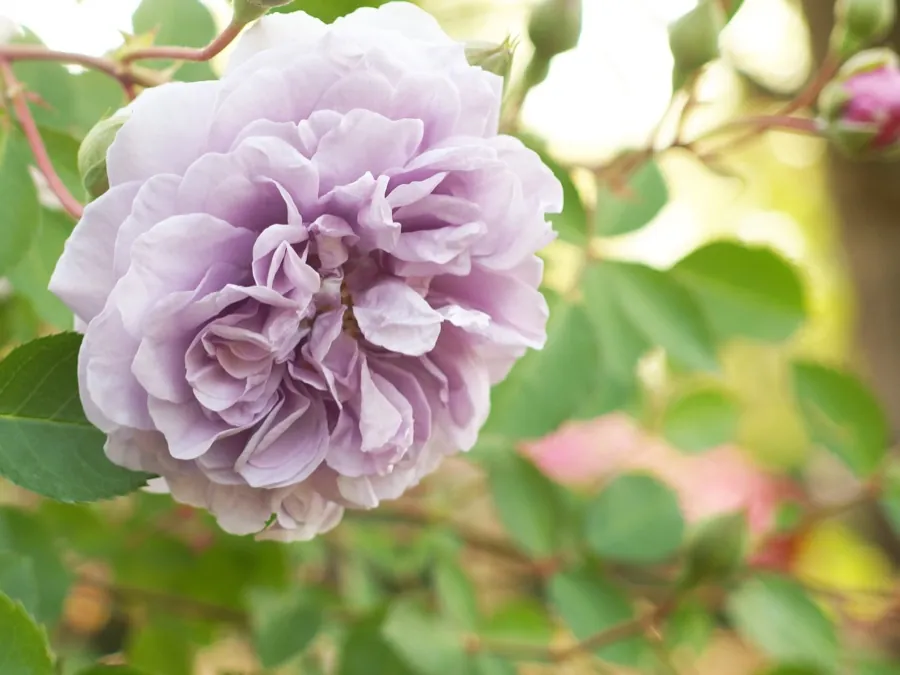
Rainy Blue

TAN04633; mauve-lavender low climber — a 'rain-washed' colour.

'rainy blue' · a popular 'blue' climber in Japan

Variety profile

Flowering

Repeat-flowering in flushes

Feature

Rare colour

One of the most popular 'blue' climbers in Japan

Plant size

150–250 cm
person 170 cm150–250 cm
Habit
A low climber with soft arching canes
Dimensions
150–250 cm
Support
Essential — the bush does not hold its shape on its own
Shoots
Soft, flexible — must be tied in
Branching
Good

Flower

≈ 6 cm

50–57 petals.

Bud shape
Rounded, mauve
Open flower
Dense, flat rosette; about 6 cm
Centre
Dense
Fullness
Double, 50–57 petals
Flower carriage
In small clusters
Colour play
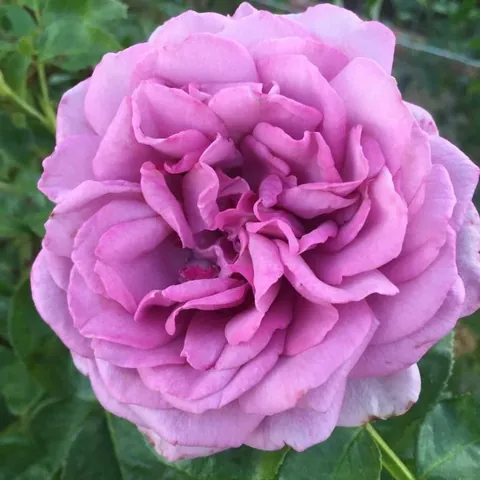
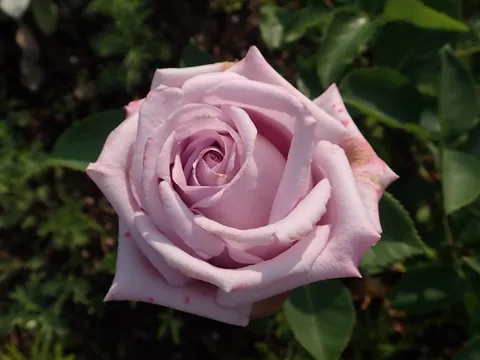
Fades to light mauve with a pink tint

Fragrance

Barely noticeable

Disease resistance

3 out of 5

Medium.

Sun

Blooms in flushes

Shoots are soft — must be supported.

Foliage

Medium green.

All characteristics in a table
Group
Low climber / shrub on a support
Breeder
Tantau, Germany, 2012
Bud shape
Rounded, mauve
Open flower
Dense, flat rosette; about 6 cm
Centre
Dense
Colour
Soft mauve-lavender with a greyish-pearly bloom
Fullness
Double, 50–57 petals
Flower carriage
In small clusters
Flowering
Repeat-flowering in flushes
Fragrance
Barely noticeable
Colour play
Fades to light mauve with a pink tint
Habit
A low climber with soft arching canes
Branching
Good
Shoots
Soft, flexible — must be tied in
Thorns
Moderate number of thorns.
Dimensions
150–250 cm
Support
Essential — the bush does not hold its shape on its own
Foliage
Medium green
Resistance
Medium
Use
A low support, obelisk, fence, arch in a small garden

Colour scheme

A soft mauve-lavender with a greyish-pearly bloom

Rose neighbours

Perennials to plant nearby

Neighbouring roses

Lavender and lilac climbers make up the 'blue' group alongside Rainy Blue.

Companion perennials

Silver and blue perennials highlight the lilac range:

catmint (Nepeta)salvialavenderlamb's ears (Stachys)

Contrast accents

To play off the lilac, try silver and blue:

lamb's ears (Stachys)catmint (Nepeta)lavender

More about the variety

Use
A low support, obelisk, fence, arch in a small garden

How to grow

Where to plant. A low support, an obelisk, a fence; for a small garden.

Climate. Tantau has NO official data on hardiness; nurseries give zones 5–10. In our conditions, winter protection is essential; the data are not confirmed.

Care. It must have a support — the shoots are soft and the bush does not hold its shape by itself.

About the name

Name. 'Rainy Blue' — for the pale lavender colour that looks as if it had been washed by rain.

Breeding. Rosen Tantau (Germany); 2012, introduced only in Japan (Keisei Rose Nurseries); code TAN04633. Libertas × Old Port.

Significance. One of the most popular 'blue' climbers in Japan; a rare mauve-lavender range among climbers.

Frequently asked questions about Rainy Blue

How many times a season does Rainy Blue flower?

Repeat-flowering in flushes.

How big does Rainy Blue grow?

150–250 cm tall.

Which diseases affect Rainy Blue?

Overall resistance: 3 out of 5. Medium; the bush does not hold its shape well without support.

How much sun does Rainy Blue need?

Sun; blooms in flushes; shoots are soft — must be supported.

What does Rainy Blue smell like?

Barely noticeable.

Gardeners' photos and reviews

My climate

Choose a reference temperature to compare with the cultivar’s data. This is not an overwintering forecast or advice on winter protection; consider wind, moisture and the duration of frost.

Regional data are generalised. USDA describes average annual extreme minima, not a forecast; the values in the list are rounded. Check the conditions at your site. More information: Roses in Ukraine's climate.