



Back to catalogue
Hybrid Tea; old-fashioned quartered rose with a strong Damask fragranceRosen TantauRed

Sophie Luise

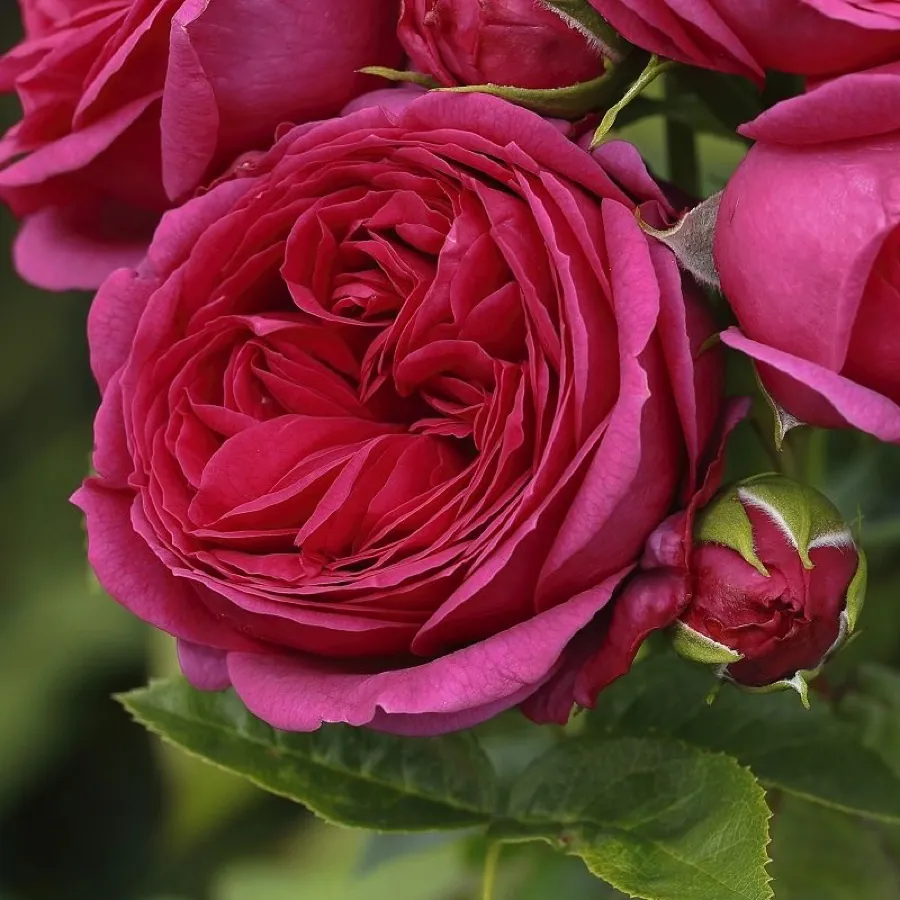
Dark red-fuchsia with an old-fashioned quartered form (41+ petals); STRONG DAMASK FRAGRANCE — a rare combination among modern HTs; bred by Rosen Tantau 2012–2018; not to be confused with the historic 'Grossherzogin Sophie Louise' — a separate old German variety.

Tan12662 · modern Tantau HT of the 2010s · dark red-fuchsia 'wine with raisins'

Variety profile

Flowering

Repeat flowering

Generous repeat flowering from June to October. Months are approximate, for the climate of Ukraine.

Legacy

Tantau 2018

Modern fragrant HT

Winter hardiness

−23 °C

USDA zone 6b-9b. Central and southern Ukraine.

Compare reference temperatures

Plant size

80–120 × 45–50 cm
person 170 cm80–120 cm
Habit
Narrow upright — compact for small beds
Dimensions
80–120 cm tall × 45–50 cm wide — a narrow upright HT, ideal for small beds and narrow borders
Support
Not needed — self-supporting
Shoots
Strong, straight — good for cutting
Branching
Moderately branched

Flower

≈ 9.5 cm

41+ petals.

Bud shape
Round dark red with a fuchsia tint
Open flower
Old-fashioned quartered: ~9.5 cm, 41+ petals — a rare old-fashioned form for a modern HT
Centre
Quartered — petals arranged in 4 'quarters', reminiscent of Old Garden Roses
Fullness
41+ petals (very full)
Flower carriage
Singly on a long stem — good for cutting

Fragrance

Strong Damask

STRONG DAMASK — confirmed by HMF. The classic 'rose' scent of the Damask-rose ancestry — the same as in Damasks and Muscats, from which rose oil is made. A rarity among modern HTs.

Disease resistance

4 out of 5

Good, 4/5 — typical of modern Tantau-breeding of the 2010s. USDA 6b–9b — central and southern Ukraine without winter protection.

Sun

Full sun

Thorns

Moderate
thornlessfewmoderatemanyvery many

Moderate number of prickles — typical for HTs.

Foliage

Dark green, glossy, healthy.

All characteristics in a table
Group
Hybrid Tea; old-fashioned quartered rose with a strong Damask fragrance
Breeder
Rosen Tantau, Germany
Bud shape
Round dark red with a fuchsia tint
Open flower
Old-fashioned quartered: ~9.5 cm, 41+ petals — a rare old-fashioned form for a modern HT
Centre
Quartered — petals arranged in 4 'quarters', reminiscent of Old Garden Roses
Colour
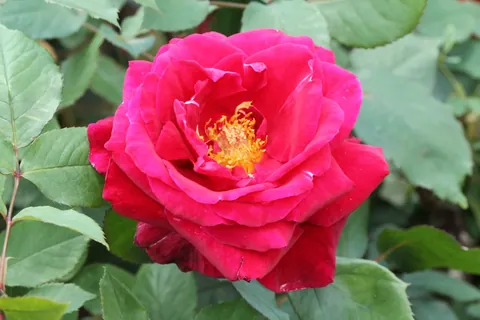
Dark red with fuchsia-magenta tones — a complex palette, a 'wine with raisins'. In different lighting it shifts from deep wine to purple
Fullness
41+ petals (very full)
Flower carriage
Singly on a long stem — good for cutting
Flowering
Generous repeat flowering from June to October
Fragrance
STRONG DAMASK — confirmed by HMF. The classic 'rose' scent of the Damask-rose ancestry — the same as in Damasks and Muscats, from which rose oil is made. A rarity among modern HTs
Hips
Not documented — typically cut
Habit
Narrow upright — compact for small beds
Branching
Moderately branched
Shoots
Strong, straight — good for cutting
Thorns
Moderate number of prickles — typical for HTs.
Dimensions
80–120 cm tall × 45–50 cm wide — a narrow upright HT, ideal for small beds and narrow borders
Support
Not needed — self-supporting
Foliage
Dark green, glossy, healthy
Resistance
Good, 4/5 — typical of modern Tantau-breeding of the 2010s. USDA 6b–9b — central and southern Ukraine without winter protection
Variations of the variety
Code Tan12662. Bred 2012, introduced 2018 through Rosen Tantau. Parentage not disclosed. The correct name is 'Sophie Luise' (no 'o' in the middle — German spelling). NOT to be confused with the historic 'Grossherzogin Sophie Louise' (Grand Duchess) — a separate old German variety

Colour scheme

Dark red with fuchsia-magenta tones — a complex palette, a 'wine with raisins'. Under different lighting it shifts from deep wine to purple

Rose neighbours

Perennials to plant nearby

Neighbouring roses

Deep red fragrant roses — for a dramatic fragrance corner:

Perennial companions

Cool tones contrast with the flower's 'wine' colour:

lavenderStachyslady's mantle (Alchemilla)salvia

Availability worldwide

Modern Tantau HT, since 2018:

🇩🇪 Germany: high · home country🇪🇺 Europe: moderate🇺🇸 USA: low🇺🇦 Ukraine: rare · variety still too young

More about the variety

Hips
Not documented — typically cut
Variations of the variety
Code Tan12662. Bred 2012, introduced 2018 through Rosen Tantau. Parentage not disclosed. The correct name is 'Sophie Luise' (no 'o' in the middle — German spelling). NOT to be confused with the historic 'Grossherzogin Sophie Louise' (Grand Duchess) — a separate old German variety

How to grow

Where to plant. Near places to sit (bench, terrace, bedroom window) so you can enjoy the Damask fragrance; in a fragrance corner next to Bourbon and Damask roses; as an accent in a dramatic mixed border; for cutting, thanks to its long stems.

Climate. Central and southern Ukraine without winter protection (USDA 6b–9b); tolerates summer heat well.

Care. Full sun; moderate disease prevention; feed 3× per season; prune by ⅓ in spring.

About the name

Name. 'Sophie Luise' — the German form of the name 'Sophia Luise'. A classic female name in German culture, with no specific person behind it — like an 'emotional' female name (such as Sympathie). Typical of the modern Tantau-marketing varieties of the 2010s.

Breeding. Bred by Rosen Tantau (Uetersen, Germany). Code Tan12662. Bred 2012, introduced 2018. Parentage not disclosed by Tantau.

Significance. STRONG DAMASK FRAGRANCE — a rarity among modern HTs (most modern varieties sacrificed scent for form and resilience). 'Sophie Luise' is Tantau's attempt to bring the 'classic' Damask scent back into the HT class. The old-fashioned quartered form with 41+ petals is rare for HTs (typical of Austin English Roses and Old Garden Roses). The dark red-fuchsia colour, a 'wine with raisins', is a complex palette reminiscent of old Bourbons and Damasks, but in a modern compact bush. A narrow upright habit — ideal for small beds and narrow borders. A modern variety with no international awards (too young for ADR/AARS — only 2018). NOT to be confused with the historic 'Grossherzogin Sophie Louise' — a separate old German variety.

Frequently asked questions about Sophie Luise

Does Sophie Luise need winter protection?

The cultivar’s reference temperature is −23 °C (USDA zone 6b−9b). Overwintering depends on the conditions. Central and southern Ukraine.

How many times a season does Sophie Luise flower?

Generous repeat flowering from June to October.

How big does Sophie Luise grow?

80–120 cm tall, 45–50 cm wide.

Which diseases affect Sophie Luise?

Overall resistance: 4 out of 5. Good — a modern Tantau-bred variety.

How much sun does Sophie Luise need?

Sun; full sun.

What does Sophie Luise smell like?

STRONG DAMASK — confirmed by HMF. The classic 'rose' scent of the Damask-rose ancestry — the same as in Damasks and Muscats, from which rose oil is made. A rarity among modern HTs.

Gardeners' photos and reviews

My climate

Choose a reference temperature to compare with the cultivar’s data. This is not an overwintering forecast or advice on winter protection; consider wind, moisture and the duration of frost.

Regional data are generalised. USDA describes average annual extreme minima, not a forecast; the values in the list are rounded. Check the conditions at your site. More information: Roses in Ukraine's climate.