



Back to catalogue
Shrub rose (old-fashioned)Rosen-Tantau (Christian Evers), 2014Red

Soul

TAN09505; crimson-purple dense old-fashioned rosettes; ADR 2015; gold medal at Rome 2014; Rose of the Year 2018.

Nostalgie®-Strauchrose · Rose of the Year 2018 (Germany)

Variety profile

Flowering

Repeat, in flushes

Repeat flowering in flushes, May–October. Months are approximate, for the climate of Ukraine.

Awards

ADR 2015

Gold, Rome 2014 · Rose of the Year 2018 · Merit RNRS St Albans 2015

Winter hardiness

−20 °C

USDA zone 6. South and central Ukraine; in the north, with winter protection. South and centre of Ukraine · in the north — with winter protection.

Compare reference temperatures

Plant size

100–150 × 45–70 cm
person 170 cm100–150 cm
Habit
Upright, broad and bushy
Dimensions
100–150 cm tall × 45–70 cm wide
Support
Not needed; in a warm climate it can be trained as a low climber
Shoots
Numerous, sturdy
Branching
Vigorous, with many shoots

Flower

8–10 cm
Bud shape
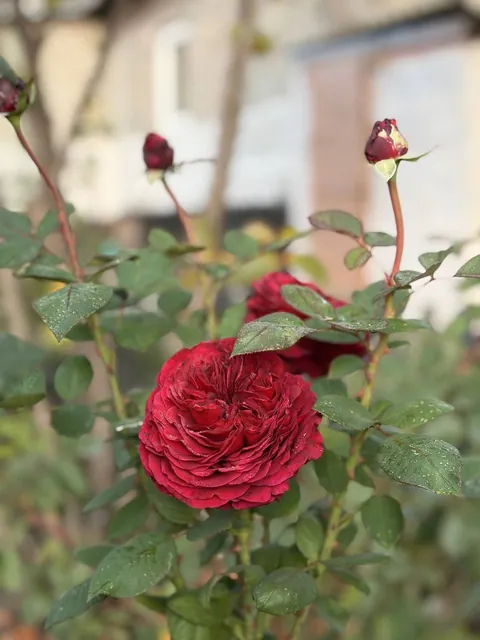
Round
Open flower
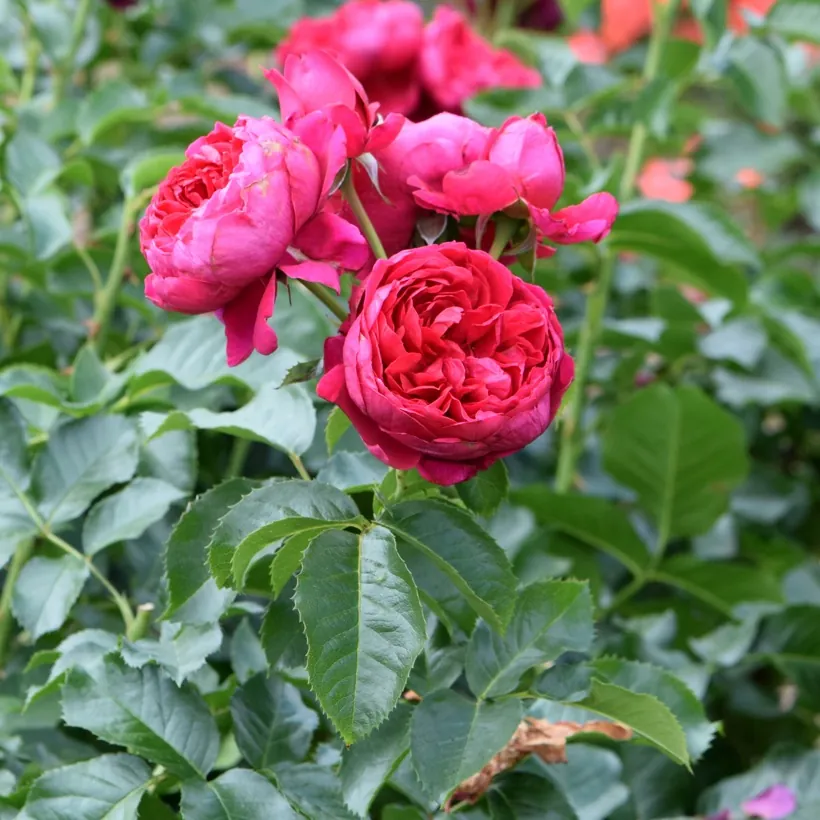
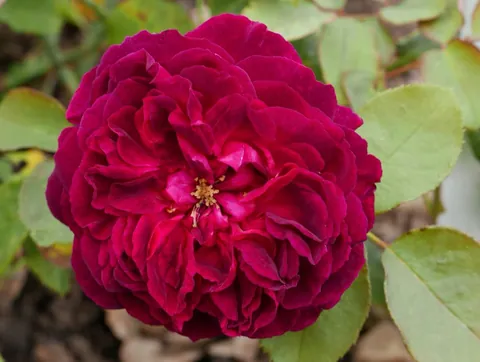
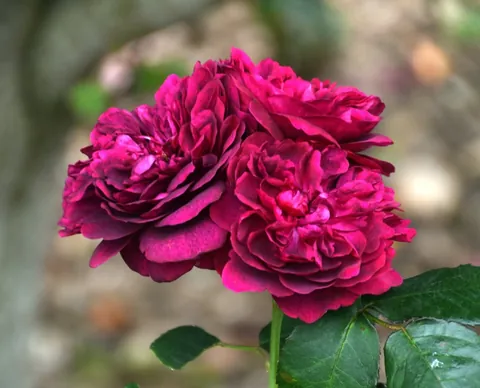
Large, very double, old-fashioned cupped rosette ('flower ball'); diameter 8–10 cm
Centre
Densely filled with petals
Fullness
Very double (41+ petals)
Flower carriage
Singly and in small clusters

Fragrance

Strong; classic old-rose scent with a herbal note

Strong — the classic old-rose scent with a herbal note (Tantau: 'a cloud of fragrance').

Disease resistance

5 out of 5
Black spotresistantPowdery mildewresistant

High — ADR-level: strong resistance to black spot and powdery mildew.

Sun

Sun / partial shade

Tolerates light partial shade.

Thorns

Moderate
thornlessfewmoderatemanyvery many

Moderate prickliness (there is little precise data for this variety).

Foliage

Glossy, light green, healthy.

All characteristics in a table
Group
Shrub rose (old-fashioned)
Breeder
Rosen-Tantau (Christian Evers), Germany, 2014
Bud shape
Round
Open flower
Large, very double, old-fashioned cupped rosette ('flower ball'); diameter 8–10 cm
Centre
Densely filled with petals
Colour
Crimson-purple: dark red with a purple tint, which takes on violet-purple tones as it matures
Fullness
Very double (41+ petals)
Flower carriage
Singly and in small clusters
Flowering
Repeat flowering in flushes, May–October
Fragrance
Strong — the classic old-rose scent with a herbal note (Tantau: 'a cloud of fragrance')
Hips
Usually does not set hips (very double)
Habit
Upright, broad and bushy
Branching
Vigorous, with many shoots
Shoots
Numerous, sturdy
Thorns
Moderate prickliness (there is little precise data for this variety).
Dimensions
100–150 cm tall × 45–70 cm wide
Support
Not needed; in a warm climate it can be trained as a low climber
Foliage
Glossy, light green, healthy
Resistance
High — ADR-level: strong resistance to black spot and powdery mildew
Variations of the variety
There is a SEPARATE cut-flower 'Soul' (TAN09651, cream-apricot) — a different variety, not to be confused

Colour scheme

Crimson-purple: dark red with a purple tint, which takes on violet-purple tones as it matures

Rose neighbours

Perennials to plant nearby

Neighbouring roses

Velvety crimson and purple varieties keep the same deep, 'regal' palette around Soul.

Perennial companions

Silver foliage, lime lady's mantle and blue spires light up the dark crimson flower:

catmint (Nepeta)salvia 'Caradonna'Stachyslady's mantle (Alchemilla)

Contrast accents

Silver and lime add light to the deep crimson palette:

Stachys byzantinaAlchemilla mollisNepeta Six Hills Giant

More about the variety

Hips
Usually does not set hips (very double)
Variations of the variety
There is a SEPARATE cut-flower 'Soul' (TAN09651, cream-apricot) — a different variety, not to be confused

How to grow

Where to plant. In the middle or back of a mixed border, in a romantic fragrant flower garden, near places to sit (for the strong scent); striking as a specimen thanks to its dense crimson 'balls'.

Climate. South and central Ukraine — no protection needed; in the north, winter protection (USDA zone 6).

Care. Moderate; the ADR-level health makes care easier; full sun or light partial shade, rich soil; feed twice per season.

About the name

Name. 'Soul' — within Rosen Tantau's naming tradition (Jazz, Piano, Acapella), probably after soul music (no official explanation has been published).

Breeding. Bred by Christian Evers for Rosen-Tantau (Uetersen, Germany) in 2009, introduced in 2014. Patent code: TAN09505. Parent varieties are not disclosed.

Significance. One of the most decorated modern nostalgic red shrub roses from Tantau: ADR 2015, gold medal at Rome (2014), Merit of the Royal National Rose Society (2015), and the 'Rose of the Year 2018' award from the German Rose Association.

Frequently asked questions about Soul

Does Soul need winter protection?

The cultivar’s reference temperature is −20 °C (USDA zone 6). Overwintering depends on the conditions. South and central Ukraine; in the north, with winter protection.

How many times a season does Soul flower?

Repeat flowering in flushes, May–October.

How big does Soul grow?

100–150 cm tall, 45–70 cm wide.

Which diseases affect Soul?

Overall resistance: 5 out of 5. 4–5 / 5; very high — ADR: black spot 4/5, powdery mildew 4/5.

How much sun does Soul need?

Sun / partial shade; tolerates light partial shade.

What does Soul smell like?

Strong — the classic old-rose scent with a herbal note (Tantau: 'a cloud of fragrance').

Gardeners' photos and reviews

My climate

Choose a reference temperature to compare with the cultivar’s data. This is not an overwintering forecast or advice on winter protection; consider wind, moisture and the duration of frost.

Regional data are generalised. USDA describes average annual extreme minima, not a forecast; the values in the list are rounded. Check the conditions at your site. More information: Roses in Ukraine's climate.