

Back to catalogue
Floribunda (Beetrose)Noack Rosen (Reinhard Noack), 2006Apricot and orange

Westzeit

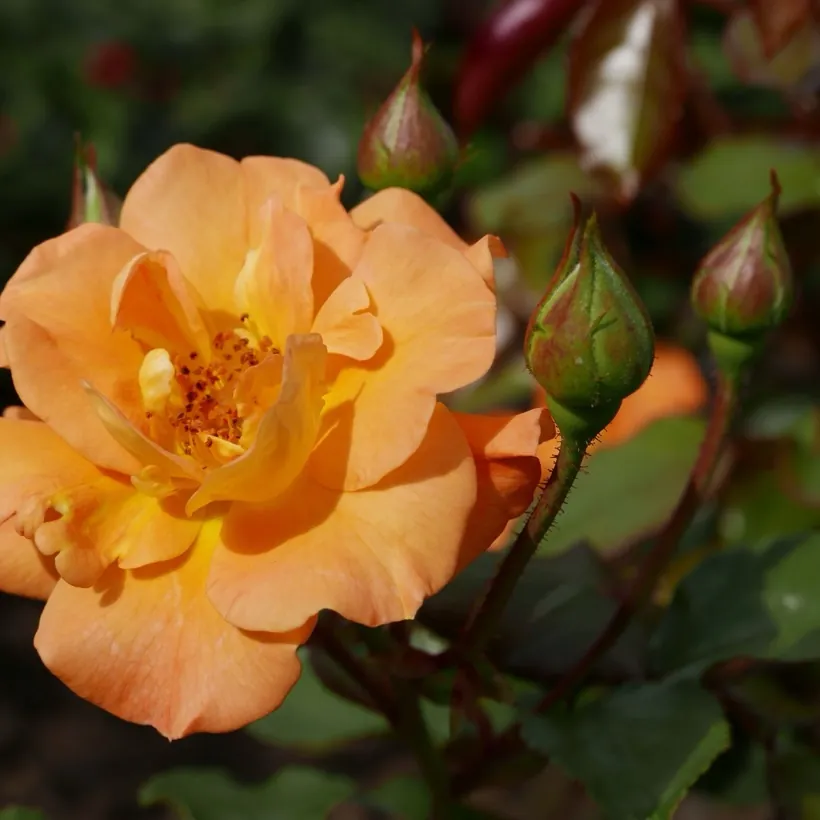
NOA75800; orange-amber flowers that mature to apricot and pink, a play of tones on one bush; an ADR-rose, healthy without spraying.

ADR 2007 · synonym of Precious Amber

Variety profile

Flowering

Repeat flowering

Repeat-flowering continuously from mid-May to October; self-cleaning. Months are approximate, for the climate of Ukraine.

Awards

ADR 2007

Passed many years of German health trials without spraying

Winter hardiness

−20 °C

USDA zone 5–6. All of Ukraine; in the north with winter cover. All of Ukraine · in the north, with cover.

Compare reference temperatures

Plant size

60–70 × 40–50 cm
person 170 cm60–70 cm
Habit
Compact, bushy, upright
Dimensions
60–70 cm tall × 40–50 cm wide
Support
Not needed; a compact bedding variety
Shoots
Strong; young shoots reddish
Branching
Good, dense

Flower

5–6 cm
Bud shape
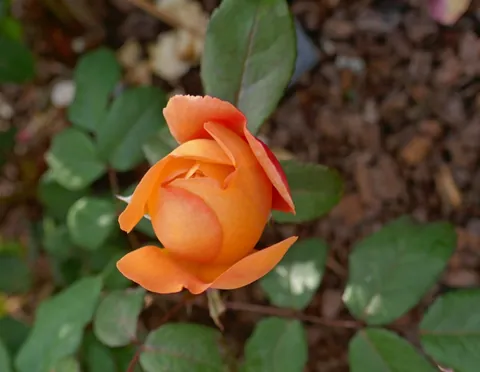
Orange-amber
Open flower
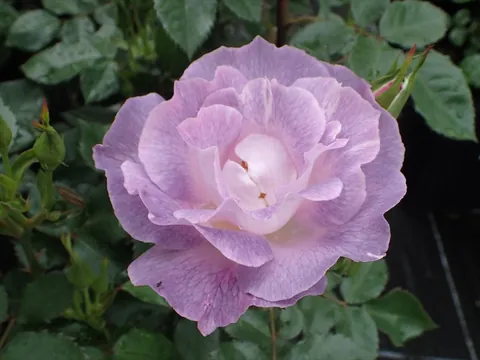
Cupped (schalenförmig), semi-double; about 5–6 cm across
Centre
Open, with visible stamens
Fullness
Semi-double (about 6–16 petals)
Flower carriage
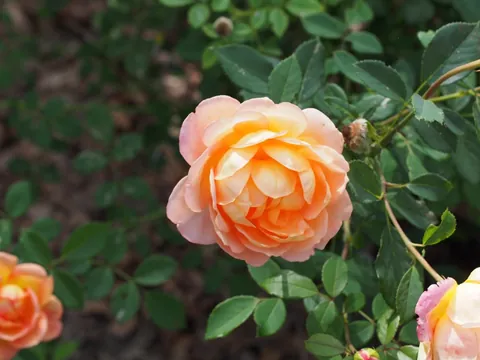
In small umbel-like clusters (typical floribunda)

Fragrance

Light; spicy and aromatic

Disease resistance

5 out of 5

Excellent: ADR-level, strongly resistant to black spot, powdery mildew and rust.

Sun

Full sun

Self-cleaning, so removing spent blooms is not necessary.

Thorns

Moderate
thornlessfewmoderatemanyvery many

Moderate prickliness (precise data for the variety are limited).

Foliage

Dark green, glossy, reddish when young; noticeably healthy.

All characteristics in a table
Group
Floribunda (Beetrose)
Breeder
Noack Rosen (Reinhard Noack), Germany, 2006
Bud shape
Orange-amber
Open flower
Cupped (schalenförmig), semi-double; about 5–6 cm across
Centre
Open, with visible stamens
Colour
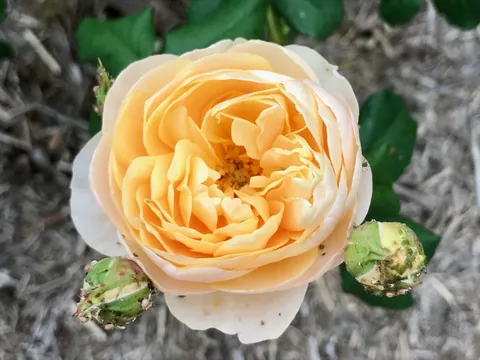
Orange-apricot blend: young flowers are orange-amber with yellow highlights, maturing to apricot and soft pink; all these shades appear on the bush at once
Fullness
Semi-double (about 6–16 petals)
Flower carriage
In small umbel-like clusters (typical floribunda)
Flowering
Repeat-flowering continuously from mid-May to October; self-cleaning
Fragrance
Light; spicy and aromatic
Hips
Forms decorative hips in autumn
Habit
Compact, bushy, upright
Branching
Good, dense
Shoots
Strong; young shoots reddish
Thorns
Moderate prickliness (precise data for the variety are limited).
Dimensions
60–70 cm tall × 40–50 cm wide
Support
Not needed; a compact bedding variety
Foliage
Dark green, glossy, reddish when young; noticeably healthy
Resistance
Excellent: ADR-level, strongly resistant to black spot, powdery mildew and rust
Variations of the variety
Also available as a standard; no sports recorded

Colour scheme

Orange-apricot blend: young flowers are orange-amber with yellow highlights, maturing to apricot and soft pink; all these shades appear on the bush at once

Rose neighbours

Perennials to plant nearby

Neighbouring roses

Apricot and orange varieties keep the same warm, 'amber' mood around Westzeit.

Companion perennials

Blue-purple flowers give a clean contrast to the warm orange-apricot:

catmint (Nepeta)salvia 'Caradonna'perovskiaveronica

Contrast accents

Blue spikes and a sheer 'haze' add depth to the warm palette:

DelphiniumNepeta Six Hills GiantPerovskia

More about the variety

Hips
Forms decorative hips in autumn
Variations of the variety
Also available as a standard; no sports recorded

How to grow

Where to plant. In a bed, a border, the front of a mixed border, a low hedge or containers. Thanks to its health and self-cleaning, it is an ideal carefree rose for mass plantings.

Climate. All of Ukraine; in the north with winter cover (USDA zone 5–6).

Care. Minimal; an ADR-variety, healthy without spraying; full sun and fertile soil; removing spent blooms is not necessary.

About the name

Name. In honour of the programme 'Westzeit' of the broadcaster WDR (West German Broadcasting), literally 'western time'.

Breeding. Bred by Reinhard Noack (Noack Rosen, Gütersloh, Germany) in 2004, on sale from around 2006. Patent code NOA75800 (international trade name Precious Amber). Parental forms are not disclosed.

Significance. A German ADR-rose of 2007, a healthy, undemanding bedding floribunda from the family firm Noack (since 1953), known for its spray-free garden roses. The nostalgic play of orange, apricot and pink tones is what brought it popularity.

Frequently asked questions about Westzeit

Does Westzeit need winter protection?

The cultivar’s reference temperature is −20 °C (USDA zone 5–6). Overwintering depends on the conditions. All of Ukraine; in the north with winter cover.

How many times a season does Westzeit flower?

Repeat-flowering continuously from mid-May to October; self-cleaning.

How big does Westzeit grow?

60–70 cm tall, 40–50 cm wide.

Which diseases affect Westzeit?

Overall resistance: 5 out of 5. Excellent: ADR-level for black spot, powdery mildew and rust.

How much sun does Westzeit need?

Full sun; self-cleaning, so removing spent blooms is not necessary.

What does Westzeit smell like?

Light; spicy and aromatic.

Gardeners' photos and reviews

My climate

Choose a reference temperature to compare with the cultivar’s data. This is not an overwintering forecast or advice on winter protection; consider wind, moisture and the duration of frost.

Regional data are generalised. USDA describes average annual extreme minima, not a forecast; the values in the list are rounded. Check the conditions at your site. More information: Roses in Ukraine's climate.