

Back to catalogue
Hybrid Tea; cut flowerKordes Cut Roses, 2012Apricot and orange

Aloha (cut-flower rose)

KORcut0430; Kordes Cut Roses; greenhouse variety for florists; not to be confused with Aloha (Boerner 1949) and Aloha Hawaii (Kordes 2003).

Greenhouse commercial variety · bred for cutting, but also grows in the garden

Variety profile

Flowering

Once-flowering

Greenhouse, year-round (productivity 1.0–1.2 flowers per bush per month). Months are approximate, for the climate of Ukraine.

Awards

17 days

Vase life — one of the longest among orange roses

Winter hardiness

−25 °C

Bred for greenhouses at 18–25 °C, but grows in the garden too: Forest-Steppe/Steppe — with light cover, further north with full winter protection.

Compare reference temperatures

Flower

6,0–6,5 cm
Bud shape
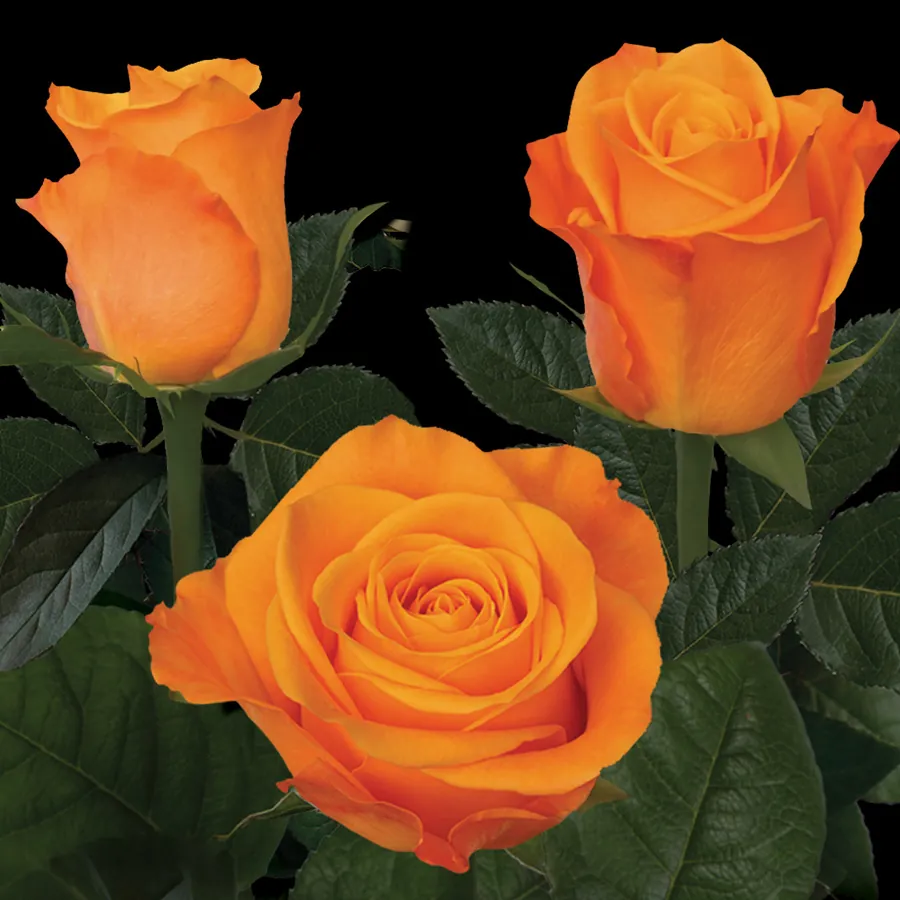
Classic hybrid tea — tall, conical, symmetrical
Open flower
Classic HT form 'high-centred', slow opening; head diameter 6.0–6.5 cm
Centre
Dense, spiral-shaped
Fullness
Semi-double to double (35–40 petals)
Flower carriage
One bud on one long stem (single-head cut)

Fragrance

Barely noticeable

Barely noticeable — typical of cut roses; the breeding gave up scent for vase life and transportability.

Disease resistance

5 out of 5

Specialised greenhouse variety — resistance to spotting and mildew under controlled microclimate conditions.

Sun

Greenhouse

Full light in the greenhouse; year-round flowering.

Thorns

Moderate
thornlessfewmoderatemanyvery many

Standard for cut HT.

Foliage

Dark green, large, glossy.

All characteristics in a table
Group
Hybrid Tea; cut flower
Breeder
Kordes Cut Roses, 2012
Bud shape
Classic hybrid tea — tall, conical, symmetrical
Open flower
Classic HT form 'high-centred', slow opening; head diameter 6.0–6.5 cm
Centre
Dense, spiral-shaped
Colour
In bud, rich bright orange ('bright citrus orange'); when open — warm peach-coral with an apricot centre
Fullness
Semi-double to double (35–40 petals)
Flower carriage
One bud on one long stem (single-head cut)
Flowering
Greenhouse, year-round (productivity 1.0–1.2 flowers per bush per month)
Fragrance
Barely noticeable — typical of cut roses; the breeding gave up scent for vase life and transportability
Hips
Hips are not formed — the flowers are cut before pollination
Habit
A straight, upright commercial bush
Branching
Controlled by pruning / bending ('bending' technique)
Shoots
Long, stiff stems 50–60 cm — suitable for export transport
Thorns
Standard for cut HT.
Dimensions
Greenhouse growing format; in the garden it is formed as an ordinary Hybrid Tea bush
Support
Greenhouse trellises
Foliage
Dark green, large, glossy
Resistance
Specialised greenhouse variety — resistance to spotting and mildew under controlled microclimate conditions
Variations of the variety
Grown in Ecuador (Plantec, Sami Sacha), Colombia, Kenya; not to be confused with Aloha Boerner 1949 and Aloha Hawaii Kordes 2003

Colour scheme

In bud, a rich bright orange ('bright citrus orange'); when open, warm peach-coral with an apricot centre

Rose neighbours

Perennials to plant nearby

Cut-flower neighbours for bouquets

Other orange-coral cut roses keep one sunset mood in the bouquet.

Peach Avalanche+Free SpiritTropical AmazonVoodoo

Florist companions

Classic greenery and accents that go with orange roses in wedding and premium bouquets:

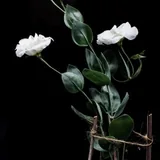
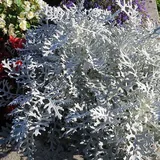
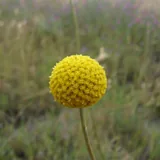
lisianthusStachyscinerariacraspedia

Contrasting accents

For texture play in the bouquet — delicate pink-green and silver small flowers:

Astrantia RomaSilver bruniaVeronica longifolia

More about the variety

Hips
Hips are not formed — the flowers are cut before pollination
Variations of the variety
Grown in Ecuador (Plantec, Sami Sacha), Colombia, Kenya; not to be confused with Aloha Boerner 1949 and Aloha Hawaii Kordes 2003

How to grow

Use (first and foremost a cut-flower variety). Where to use: first and foremost commercial greenhouses and flower arranging — the variety is bred for cutting and wedding flowers. But it also grows well in the garden: in the Forest-Steppe and Steppe — with light protection, in the north — with full protection; winter hardiness is moderate. Choose a sunny spot with fertile soil. Growing climate: in a greenhouse 18–25 °C all year round, mainly Ecuador (altitude 2 600–3 000 m a.s.l., where the roses reach their most intense colour), also Colombia and Kenya. Outdoors it overwinters with protection, but winters vary, and in severe snowless years frost damage is possible.

Care. In the greenhouse — hydroponics or substrate, pruning by the 'bending' technique, weekly treatments according to the protocol. In the garden — standard care for a Hybrid Tea with winter protection.

About the name

Name. 'Aloha' — a Hawaiian greeting and a symbol of warmth; Kordes used the same 'tropical' name as for the garden variety Aloha Hawaii, because the colour range echoes — an orange-coral 'sunset'.

Breeding. Developed by the Kordes Cut Roses division, patent code KORcut0430. Parentage is a trade secret (typical for cut-flower varieties). Kordes does not publicly publish the exact year of official registration; in supplier catalogues (Plantec Ecuador, FSQ Holland) the variety appears from roughly 2014–2019, and the description 'around 2012' matches this variant as the most likely.

Significance. One of the best-known 'orange-sunset' cut roses from Kordes, for wedding and premium floristry; grown mainly in Ecuador. Not to be confused with the classic Aloha (Boerner 1949) and Aloha Hawaii (Kordes 2003) — three different varieties with the same name.

Frequently asked questions about Aloha (cut-flower rose)

Does Aloha (cut-flower rose) need winter protection?

The cultivar’s reference temperature is −25 °C. Overwintering depends on the conditions.

How many times a season does Aloha (cut-flower rose) flower?

Greenhouse, year-round (productivity 1.0–1.2 flowers per bush per month).

Which diseases affect Aloha (cut-flower rose)?

Overall resistance: 5 out of 5. Greenhouse regime; high resistance under controlled conditions.

How much sun does Aloha (cut-flower rose) need?

Greenhouse; full light in the greenhouse; year-round flowering.

What does Aloha (cut-flower rose) smell like?

Barely noticeable — typical of cut roses; the breeding gave up scent for vase life and transportability.

Gardeners' photos and reviews

My climate

Choose a reference temperature to compare with the cultivar’s data. This is not an overwintering forecast or advice on winter protection; consider wind, moisture and the duration of frost.

Regional data are generalised. USDA describes average annual extreme minima, not a forecast; the values in the list are rounded. Check the conditions at your site. More information: Roses in Ukraine's climate.