



Back to catalogue
Hybrid Tea; Romantica seriesMeilland, 2009Apricot and orange

Alexandrine

Belle Romantica; a strong citrus-fruity scent — an award-winning Meilland rose.

A modern, nostalgic Anglo-French style

Variety profile

Flowering

Repeat, in flushes

Repeat-flowering in flushes: June – October. Months are approximate, for the climate of Ukraine.

Awards

Orleans Perfume 2014

+ La Tacita 2014 · Baden 2017 · Warsaw 2021

Winter hardiness

−23 °C

USDA zone 6a. Forest-Steppe; Steppe; north — with protection. Forest-Steppe · Steppe; north — with winter protection.

Compare reference temperatures

Plant size

60–90 × 50–60 cm
person 170 cm60–90 cm
Habit
Compact, upright, well branched
Dimensions
60–90 cm tall × 50–60 cm wide
Support
Does not need support — a border/bedding HT rose
Shoots
Sturdy, straight; hold heavy blooms well
Branching
Strong; holds its shape well

Flower

≈ 11 cm

60–65 petals.

Bud shape
Large, round, deep apricot; slow to open
Open flower
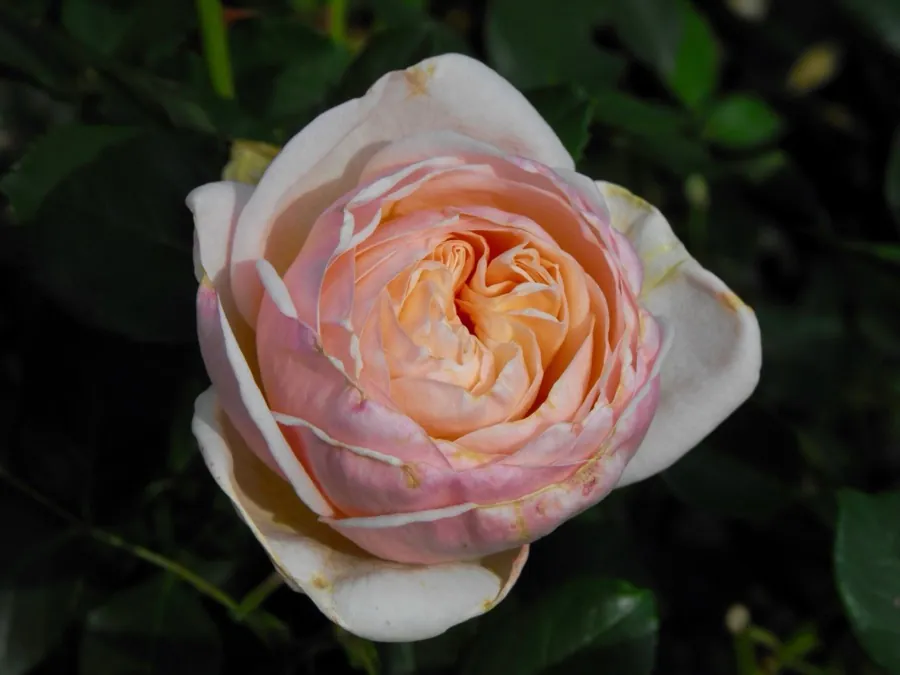
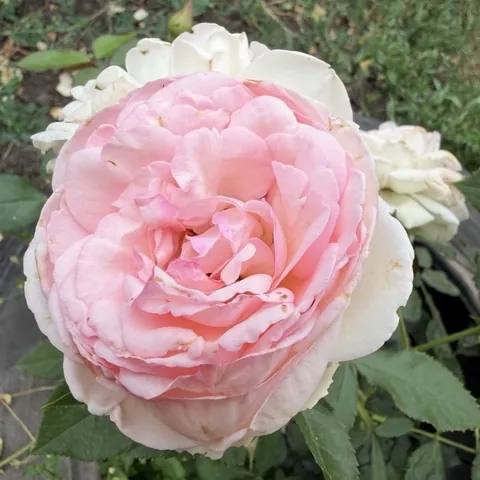
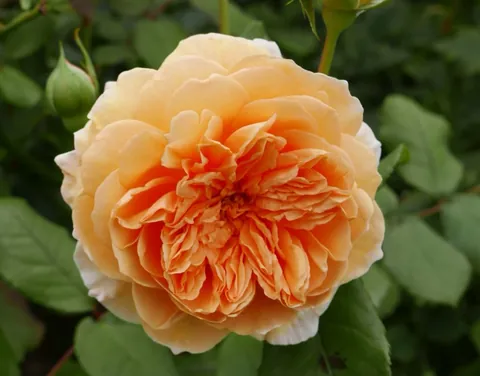
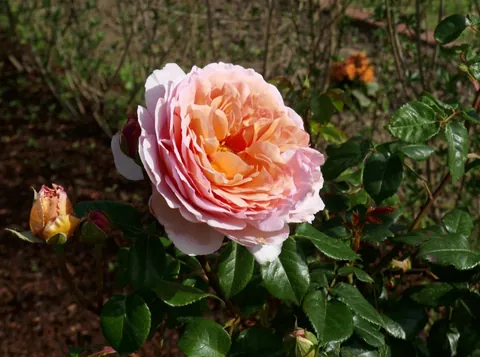
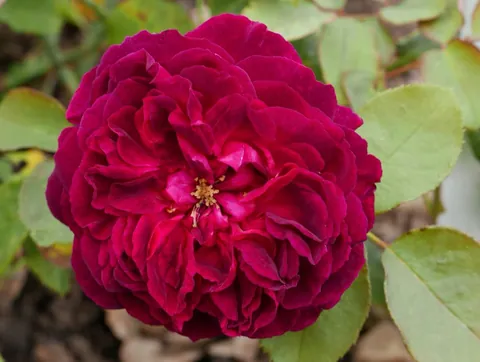
Large cupped and quartered rosette; petals layer down into the depth; diameter ~11 cm
Centre
Dense apricot-ochre; the petals fold into a classic quartered structure
Fullness
Very double, 60–65 petals (very full)
Flower carriage
Often in small clusters of 3 flowers per stem

Fragrance

Strong

Strong citrus-fruity scent with a note of May rose — the Romantica series is bred specifically for a vivid fragrance; it received two fragrance awards (Orleans Perfume 2014, La Tacita 2014).

Disease resistance

4 out of 5
Black spotresistantPowdery mildewresistant

Good against black spot and powdery mildew (confirmed by rosesabc, without ADR-certification).

Sun

Sun + partial shade

Full sun, tolerates light partial shade.

Thorns

Moderate
thornlessfewmoderatemanyvery many

Moderately armed — typical of HTs.

Foliage

Medium-sized, dark green, semi-glossy, leathery.

Other names

Breeder's code MEIgapencey.

All characteristics in a table
Group
Hybrid Tea; Romantica series
Breeder
Meilland, 2009
Bud shape
Large, round, deep apricot; slow to open
Open flower
Large cupped and quartered rosette; petals layer down into the depth; diameter ~11 cm
Centre
Dense apricot-ochre; the petals fold into a classic quartered structure
Colour
An apricot-ochre centre shades into soft pink outer petals; a Romantica series variety with a characteristic 'warm' colouring
Fullness
Very double, 60–65 petals (very full)
Flower carriage
Often in small clusters of 3 flowers per stem
Flowering
Repeat-flowering in flushes: June – October
Fragrance
Strong citrus-fruity scent with a note of May rose — the Romantica series is bred specifically for a vivid fragrance; it received two fragrance awards (Orleans Perfume 2014, La Tacita 2014)
Habit
Compact, upright, well branched
Branching
Strong; holds its shape well
Shoots
Sturdy, straight; hold heavy blooms well
Thorns
Moderately armed — typical of HTs.
Dimensions
60–90 cm tall × 50–60 cm wide
Support
Does not need support — a border/bedding HT rose
Foliage
Medium-sized, dark green, semi-glossy, leathery
Resistance
Good against black spot and powdery mildew (confirmed by rosesabc, without ADR-certification)
Series
Romantica — a Meilland line of modern, nostalgic roses in the spirit of David Austin's English style, but with a French accent and a stronger scent

Colour scheme

An apricot-ochre centre shades into soft pink outer petals; a Romantica series variety with a characteristic 'warm' colouring

Rose neighbours

Perennials to plant nearby

Neighbouring roses

Other romantic, nostalgic roses in warm apricot-pink tones — for a harmonious 'warm' corner of the garden:

Perennial companions

A cool lavender-purple frame highlights the warm apricot of Alexandrine:

lavendercatmint (Nepeta)salvia Caradonnalady's mantle (Alchemilla)

Contrasting accents

Deep purple roses and white verticals add depth:

Munstead WoodRhapsody in BlueWhite gypsophilaVeronica

More about the variety

Series
Romantica — a Meilland line of modern, nostalgic roses in the spirit of David Austin's English style, but with a French accent and a stronger scent

How to grow

Where to plant. A mid-border bed, groups of 3–5 bushes in a mixed border, or a classic bed near a path or bench (to enjoy the strong scent). As a specimen — in the centre of a small rose garden.

Climate. Hardy to −23 °C, USDA 6a. In northern Polissia (zone 5b) protection is advisable; in the Forest-Steppe and Steppe it overwinters reliably.

Care. Standard HT care: formative pruning each spring to 4–6 buds, removing spent flowers for repeat flowering, and prevention of fungal diseases. Thanks to the Romantica series it is less demanding than classic HTs of the 1970s.

About the name

Name. Named after Friederike Wilhelmine Alexandrine Maria Helena of Prussia (1803–1892) — a German princess, Grand Duchess of Mecklenburg-Schwerin. The variety was released in 2009, timed for the bicentenary of her birth (with a slight delay). In trade it is also sold as Belle Romantica.

Breeding. Bred by the French company Meilland International and introduced in 2009. Breeder's code: MEIgapencey. Parentage is not disclosed by the breeder. It belongs to the Romantica series — modern, nostalgic Meilland roses created as a French answer to David Austin's English roses.

Significance. It has won prestigious fragrance awards — Orleans 2014 (Best Large Flower + Perfume Award), La Tacita Perfume Prize 2014, Baden bei Wien 2017 (1st prize), Warsaw Silver Medal 2021. One of the best fragrant roses in the Romantica series, valued for combining a classic form, a rich scent and good resistance.

Frequently asked questions about Alexandrine

Does Alexandrine need winter protection?

The cultivar’s reference temperature is −23 °C (USDA zone 6a). Overwintering depends on the conditions. Forest-Steppe; Steppe; north — with protection.

How many times a season does Alexandrine flower?

Repeat-flowering in flushes: June – October.

How big does Alexandrine grow?

60–90 cm tall, 50–60 cm wide.

Which diseases affect Alexandrine?

Overall resistance: 4 out of 5. Good; against black spot and powdery mildew.

How much sun does Alexandrine need?

Sun + partial shade; full sun, tolerates light partial shade.

What does Alexandrine smell like?

Strong citrus-fruity scent with a note of May rose — the Romantica series is bred specifically for a vivid fragrance; it received two fragrance awards (Orleans Perfume 2014, La Tacita 2014).

Gardeners' photos and reviews

My climate

Choose a reference temperature to compare with the cultivar’s data. This is not an overwintering forecast or advice on winter protection; consider wind, moisture and the duration of frost.

Regional data are generalised. USDA describes average annual extreme minima, not a forecast; the values in the list are rounded. Check the conditions at your site. More information: Roses in Ukraine's climate.