

Back to catalogue
Large-Flowered Climber; climber; a Kordes classicReimer Kordes; W. Kordes' Söhne; Sparrieshoop, 1977Pink

Rosarium Uetersen

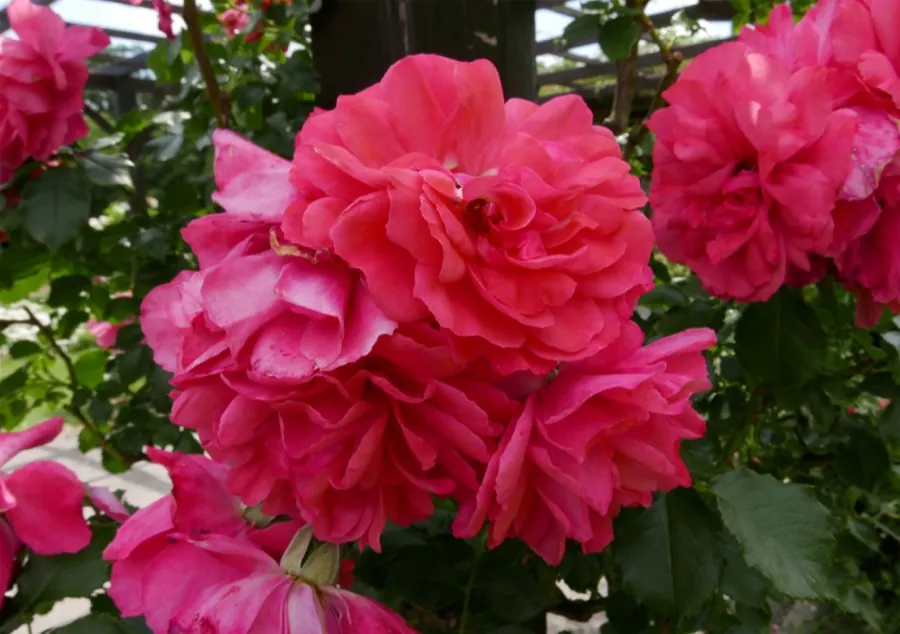
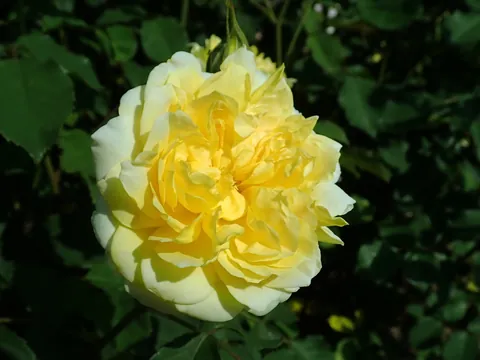
A deep pink German climber with an apple scent; 100–142 petals — one of the records among climbers; named after the Rosarium Uetersen — the famous rose garden in Uetersen (near the Kordes breeding station); ARS rating 8.5; NZ Gold Star 1980.

100–142 petals — record fullness among climbers · NZ Gold Star 1980

Variety profile

Flowering

Repeat flowering

Repeat-flowering all season, from June to the first frosts. Months are approximate, for the climate of Ukraine.

Legacy

NZ Gold 1980

ARS 8.5 · Kordes classic

Winter hardiness

−26 °C

USDA zone 5–9. All of Ukraine without protection.

Compare reference temperatures

Plant size

200–365 × 185–305 cm
person 170 cm200–365 cm
Habit
Large climber with flexible canes; can be trained as a large shrub
Dimensions
200–365 cm tall × 185–305 cm wide (6'7"–12' × 6'–10') — a large climber
Support
Essential — pergola, trellis, wall; or trained as a large shrub
Shoots
Flexible, easy to train on a support
Branching
Well branched, with sturdy main canes and flexible side shoots

Flower

≈ 10 cm

100–142 petals.

Bud shape
Round, deep pink
Open flower
Very double, with ruffled/frilled petals: ~10 cm, in large clusters
Centre
Tightly packed, with curled petals
Fullness
100–142 petals — one of the records among climbers
Flower carriage
In large clusters — a characteristic feature

Fragrance

Moderate; apple

Moderate apple — unusual and recognisable, a rarity among climbers.

Disease resistance

5 out of 5

Very high, 5/5: characteristic of Kordesii genetics; ARS rating 8.5 (very good to excellent).

Sun

Sun + shade

Full sun or light shade.

Thorns

Moderate
thornlessfewmoderatemanyvery many

Moderate number of thorns — typical of Kordes-climbers.

Foliage

Dark green, glossy — healthy, typical of the Kordesii-family.

Other names

Seminole Wind, Uetersen
All characteristics in a table
Group
Large-Flowered Climber; climber; a Kordes classic
Breeder
Reimer Kordes; W. Kordes' Söhne; Sparrieshoop, Germany, 1977
Bud shape
Round, deep pink
Open flower
Very double, with ruffled/frilled petals: ~10 cm, in large clusters
Centre
Tightly packed, with curled petals
Colour
Deep pink / salmon-pink, with a silvery reverse; it lightens with age. The classic Kordes 'warm pink'
Fullness
100–142 petals — one of the records among climbers
Flower carriage
In large clusters — a characteristic feature
Flowering
Repeat-flowering all season, from June to the first frosts
Fragrance
Moderate apple — unusual and recognisable, a rarity among climbers
Hips
Not documented — usually cut
Habit
Large climber with flexible canes; can be trained as a large shrub
Branching
Well branched, with sturdy main canes and flexible side shoots
Shoots
Flexible, easy to train on a support
Thorns
Moderate number of thorns — typical of Kordes-climbers.
Dimensions
200–365 cm tall × 185–305 cm wide (6'7"–12' × 6'–10') — a large climber
Support
Essential — pergola, trellis, wall; or trained as a large shrub
Foliage
Dark green, glossy — healthy, typical of the Kordesii-family
Resistance
Very high, 5/5: characteristic of Kordesii genetics; ARS rating 8.5 (very good to excellent)
Variations of the variety
Code KORtersen. Synonyms: Seminole Wind, Uetersen. Breeder: Reimer Kordes (W. Kordes' Söhne, Sparrieshoop, Germany). Introduced 1977. Parentage: 'Karlsruhe' (Hybrid Kordesii, Kordes 1957) × an unnamed seedling. 2 sports, 2009: 'Uetersens Rosenkönigin' and 'Uetersens Rosenprinzessin'

Colour scheme

Deep pink / salmon-pink, with a silvery reverse; it lightens with age. The classic Kordes 'warm pink'

Rose neighbours

Perennials to plant nearby

Neighbouring roses

Climbers and the romantic family — they create an 'arch gallery':

Perennial companions

Shade-loving and light-green perennials at the base of the stems:

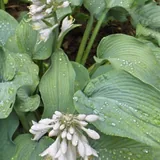
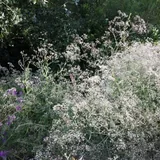
lavenderlady's mantle (Alchemilla)hostagypsophila

Availability worldwide

A classic German climber breeding from the 1970s:

🇩🇪 Germany: very high · Kordes' home🇪🇺 Europe: very high · core romantic climber🇺🇸 USA: high🇺🇦 Ukraine: high · via Kordes partners

More about the variety

Hips
Not documented — usually cut
Variations of the variety
Code KORtersen. Synonyms: Seminole Wind, Uetersen. Breeder: Reimer Kordes (W. Kordes' Söhne, Sparrieshoop, Germany). Introduced 1977. Parentage: 'Karlsruhe' (Hybrid Kordesii, Kordes 1957) × an unnamed seedling. 2 sports, 2009: 'Uetersens Rosenkönigin' and 'Uetersens Rosenprinzessin'

How to grow

Where to plant. On arches, pergolas, trellises and walls — its main use; as a large shrub without support; as a 'central romantic' accent in the garden; it covers walls and fences well thanks to its 3 m height.

Climate. All of Ukraine without protection (USDA 5–9, to −26 °C); copes well with summer heat.

Care. Full sun or light shade; a sturdy support is essential; feed 2–3× per season; prune ⅓ in spring; high disease resistance — minimal preventive care thanks to its Kordesii-genetics.

About the name

Name. 'Rosarium Uetersen' — after the Rosarium Uetersen, the famous rose garden in the town of Uetersen (Schleswig-Holstein, Germany). It is the historic 'home' of the rose trade in northern Germany, next to which the Kordes breeding station is located at Sparrieshoop. The Uetersen rose garden was founded in 1929; it is one of Germany's leading public rose gardens. The name is a tribute to the place of origin of Kordes-breeding.

Breeding. Bred by Reimer Kordes (1922–1997, son of Wilhelm Kordes II) at the house of W. Kordes' Söhne (Sparrieshoop, Germany). Code KORtersen. Introduced 1977. Parentage: 'Karlsruhe' (Hybrid Kordesii, Kordes 1957) × an unnamed seedling. Karlsruhe, of the Kordesii class, passed on its high disease resistance and apple scent.

Significance. A classic German climber of the 1970s. 100–142 petals — one of the records among climbers. The apple scent is unusual and recognisable; a rarity among climbers. New Zealand Gold Star of the South Pacific 1980 (NZ Rose Trials). ARS rating 8.5 (very good to excellent). 2 sports (2009): 'Uetersens Rosenkönigin' ('Queen of Uetersen') and 'Uetersens Rosenprinzessin' ('Princess of Uetersen'). ADR not confirmed in open sources (despite its German origin).

Frequently asked questions about Rosarium Uetersen

Does Rosarium Uetersen need winter protection?

The cultivar’s reference temperature is −26 °C (USDA zone 5–9). Overwintering depends on the conditions. All of Ukraine without protection.

How many times a season does Rosarium Uetersen flower?

Repeat-flowering all season, from June to the first frosts.

How big does Rosarium Uetersen grow?

200–365 cm tall, 185–305 cm wide.

Which diseases affect Rosarium Uetersen?

Overall resistance: 5 out of 5. Very high; Kordesii genetics.

How much sun does Rosarium Uetersen need?

Sun + shade; full sun or light shade.

What does Rosarium Uetersen smell like?

Moderate apple — unusual and recognisable, a rarity among climbers.

Gardeners' photos and reviews

My climate

Choose a reference temperature to compare with the cultivar’s data. This is not an overwintering forecast or advice on winter protection; consider wind, moisture and the duration of frost.

Regional data are generalised. USDA describes average annual extreme minima, not a forecast; the values in the list are rounded. Check the conditions at your site. More information: Roses in Ukraine's climate.