


Back to catalogue
Repeat-floweringWilliam Paul, 1866Red

Black Prince

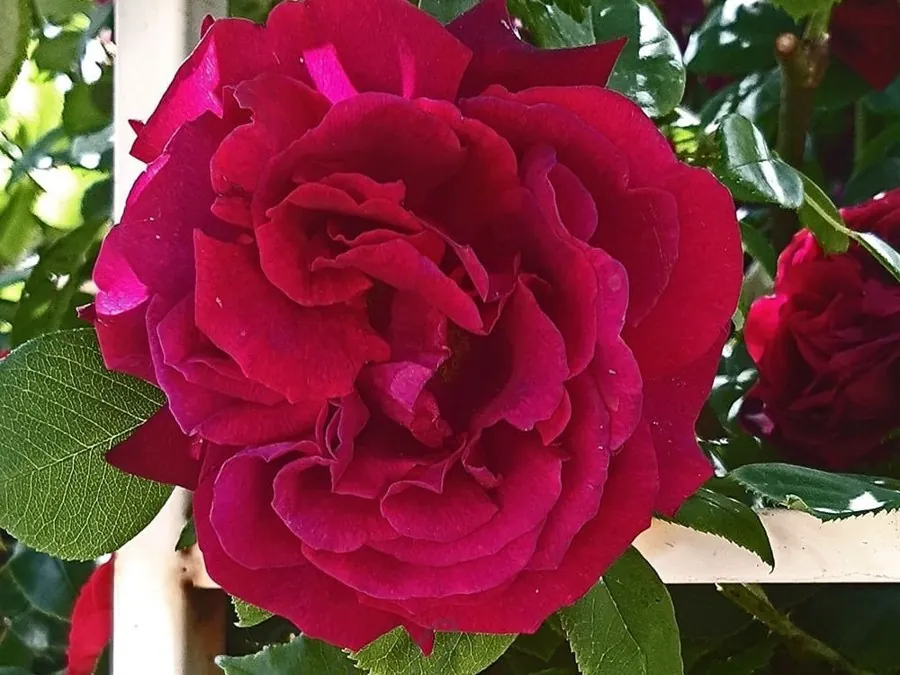
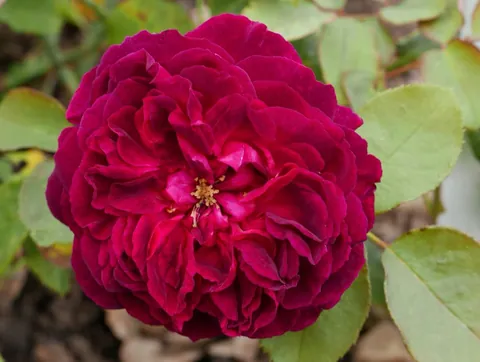
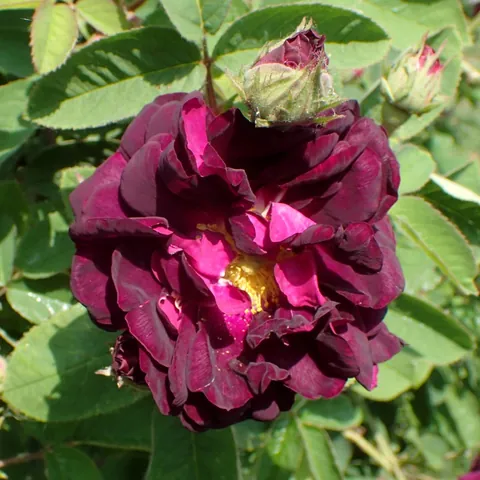
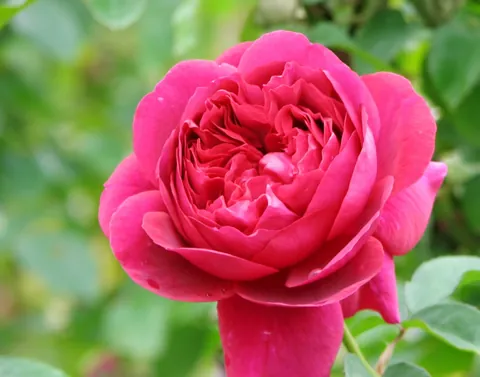
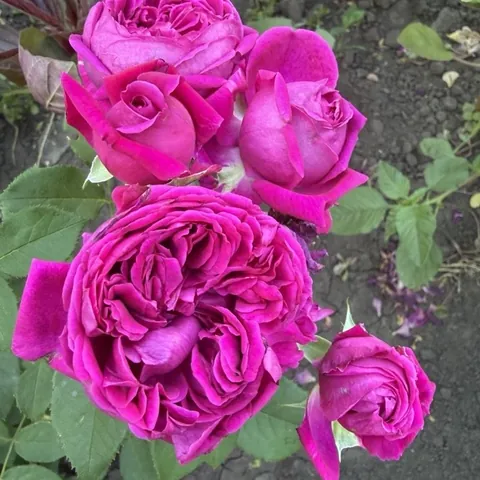
Bred in 1866; a classic dark rose of Victorian gardens – crimson-red, shaded almost to black, with a luxurious old-rose fragrance.

Old-fashioned (Hybrid Perpetual) · also known as Prince Noir

Variety profile

Flowering

Repeat, in flushes

Repeat-flowering in flushes (summer – autumn); the second flush is weaker. Months are approximate, for the climate of Ukraine.

History

1866

A living classic of the Victorian era

Winter hardiness

−23 °C

USDA zone 6b–9b. Winter-hardy old rose.

Compare reference temperatures

Plant size

120–150 × 90 cm
person 170 cm120–150 cm
Habit
Upright, somewhat spreading
Dimensions
120–150 cm tall × 90 cm wide
Support
A light support is recommended – the canes are long; they can be trained over a low support or tied in
Shoots
Strong, thorny
Branching
Moderate

Fragrance

Strong, old-rose

Strong – a rich old-rose fragrance, the variety's main attraction.

Disease resistance

3 out of 5

Moderate; in a wet summer needs powdery mildew prevention.

Sun

Partial shade

Morning sun and shade at midday – so the colour does not fade.

Thorns

Many
thornlessfewmoderatemanyvery many

Thorny – typical of old repeat-flowering roses.

Foliage

Matt, light green.

All characteristics in a table
Group
Repeat-flowering
Breeder
William Paul, 1866
Bud shape
Round, dark, almost black
Open flower
Dense quartered rosette of old-rose type
Centre
Button-shaped, with tucked-in petals
Colour
Dark crimson-red with purple, shaded almost to black; with age it turns lilac-purple
Fullness
Very full, many-petalled
Flower carriage
Singly and in small groups
Flowering
Repeat-flowering in flushes (summer – autumn); the second flush is weaker
Fragrance
Strong – a rich old-rose fragrance, the variety's main attraction
Hips
Small, occasional
Habit
Upright, somewhat spreading
Branching
Moderate
Shoots
Strong, thorny
Thorns
Thorny – typical of old repeat-flowering roses.
Dimensions
120–150 cm tall × 90 cm wide
Support
A light support is recommended – the canes are long; they can be trained over a low support or tied in
Foliage
Matt, light green
Resistance
Moderate; in a wet summer needs powdery mildew prevention
Variations of the variety
Historic and genuine – kept by specialist nurseries (Peter Beales)

Colour scheme

Dark crimson-red with purple, shaded almost to black; with age it turns lilac-purple

Rose neighbours

Perennials to plant nearby

Neighbouring roses

A company of old-fashioned, fragrant dark varieties in tune with the mood:

Perennial companions

A lavender-silver framework in the spirit of an old garden:

lavender 'Hidcote'lamb's earcatmint (Nepeta)foxglove

Contrasting accents

Soft cool tones that suit the Victorian mood:

bigroot cranesbillPerovskiawhite delphiniums

More about the variety

Hips
Small, occasional
Variations of the variety
Historic and genuine – kept by specialist nurseries (Peter Beales)

How to grow

Where to plant. A romantic corner in an old-fashioned garden style, a mixed border with perennials, or beside a bench or path so the strong scent can be enjoyed. Light: morning sun and shade from the midday heat, or dappled shade. In open sun the dark petals fade to mauve more quickly; the colour is deepest in cool weather and in shade.

Care. As for an old rose – light pruning (repeat-flowering roses are not cut back hard), tying in long canes, powdery mildew prevention.

About the name

Name. Black Prince – for its dark, almost black colour; the French name is Prince Noir.

Breeding. Bred by William Paul in Britain in 1866. It belongs to the repeat-flowering roses (Hybrid Perpetual) – the class from which modern repeat-flowering roses developed in the nineteenth century. Important: this is a genuine old rose, not a modern Hybrid Tea (as some catalogues mistakenly state). Its value lies precisely in its historic origin and its powerful old-rose fragrance.

Frequently asked questions about Black Prince

Does Black Prince need winter protection?

The cultivar’s reference temperature is −23 °C (USDA zone 6b–9b). Overwintering depends on the conditions.

How many times a season does Black Prince flower?

Repeat-flowering in flushes (summer – autumn); the second flush is weaker.

How big does Black Prince grow?

120–150 cm tall, about 90 cm wide.

Which diseases affect Black Prince?

Overall resistance: 3 out of 5. Typical of old varieties; susceptible to powdery mildew.

How much sun does Black Prince need?

Partial shade; morning sun and shade at midday – so the colour does not fade.

What does Black Prince smell like?

Strong – a rich old-rose fragrance, the variety's main attraction.

Gardeners' photos and reviews

My climate

Choose a reference temperature to compare with the cultivar’s data. This is not an overwintering forecast or advice on winter protection; consider wind, moisture and the duration of frost.

Regional data are generalised. USDA describes average annual extreme minima, not a forecast; the values in the list are rounded. Check the conditions at your site. More information: Roses in Ukraine's climate.