



Back to catalogue
Hybrid Tea; classicTantau, 1964Lilac and purple

Blue Moon

German original Mainzer Fastnacht; also sold as Sissi and Blue Monday; a cult rose – the parent of all 'lavender' roses, ADR 1964.

Exhibition form · 'lavender legend'

Variety profile

Flowering

Repeat-flowering, with pauses

Awards

ADR

1964 · numerous medals for fragrance

Winter hardiness

−18 °C

USDA zone 7b+. Zakarpattia, south, centre with protection · Polissia — protection essential.

Compare reference temperatures

Plant size

60–150 × 60 cm
person 170 cm60–150 cm
Habit
Narrow, upright
Dimensions
60–150 cm tall × 60 cm wide
Support
No support needed – the bush is self-supporting (support is only needed for climbing varieties)
Shoots
Long, straight – ideal for cutting
Branching
Moderate

Flower

10–12 cm
Bud shape
Long, pointed, classic exhibition form
Open flower
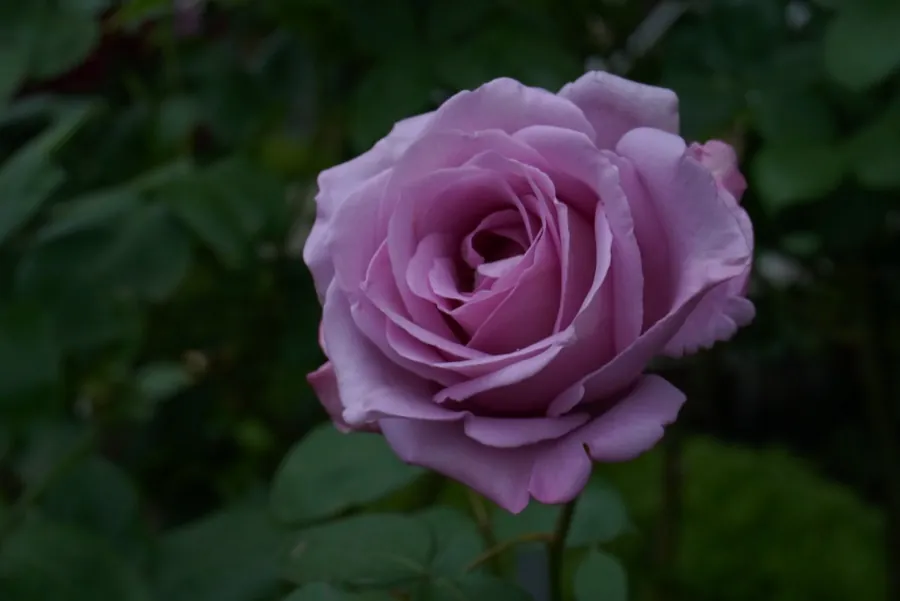
Large, high cone, lavender-silver; diameter 10–12 cm
Centre
Tightly packed, no visible stamens
Fullness
Fully double, up to 40 petals
Flower carriage
Borne singly on the stem – the benchmark for cutting

Fragrance

Strong

VERY STRONG, legendary – a blend of citrus (lemon), violet and classic tea notes; its TRADEMARK.

Disease resistance

3 out of 5

Moderate – needs preventive treatments.

Sun

Sun + partial shade

Without midday shade it scorches quickly and the colour fades.

Thorns

Moderate
thornlessfewmoderatemanyvery many

Thorns reddish, standard number for a Hybrid Tea.

Foliage

Medium green, semi-matt, moderate.

Other names

Mainzer Fastnacht, Sissi, Blue Monday

Breeder's code TANnacht.

All characteristics in a table
Group
Hybrid Tea; classic
Breeder
Tantau, 1964
Bud shape
Long, pointed, classic exhibition form
Open flower
Large, high cone, lavender-silver; diameter 10–12 cm
Centre
Tightly packed, no visible stamens
Colour
Silvery lavender with a smoky-blue tint; paler in sun, richer lilac in shade
Fullness
Fully double, up to 40 petals
Flower carriage
Borne singly on the stem – the benchmark for cutting
Flowering
Repeat-flowering, with pauses
Fragrance
VERY STRONG, legendary – a blend of citrus (lemon), violet and classic tea notes; its TRADEMARK
Hips
Rare
Habit
Narrow, upright
Branching
Moderate
Shoots
Long, straight – ideal for cutting
Thorns
Thorns reddish, standard number for a Hybrid Tea.
Dimensions
60–150 cm tall × 60 cm wide
Support
No support needed – the bush is self-supporting (support is only needed for climbing varieties)
Foliage
Medium green, semi-matt, moderate
Resistance
Moderate – needs preventive treatments
Variations of the variety
A climbing form exists, Climbing Blue Moon (Mungia 1981); synonyms: Mainzer Fastnacht, Sissi, Blue Monday

Colour scheme

Silvery lavender with a smoky-blue tint; paler in sun, richer lilac in shade

Rose neighbours

Perennials to plant nearby

Neighbouring roses

A lavender-wine palette with white contrast holds the refined 'moonlit' atmosphere around Blue Moon.

Perennial companions

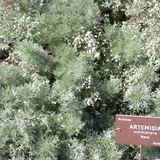
Silvery wormwood foliage and lavender clouds — a classic setting for a lavender rose:

lavender 'Hidcote'artemisia 'Powis Castle'catmint (Nepeta)Verbascum Helen Johnson

Contrasting accents

For dramatic textural play — violet alliums and steel-blue globe thistles:

Allium GlobemasterEryngium planumStipa tenuissima

More about the variety

Hips
Rare
Variations of the variety
A climbing form exists, Climbing Blue Moon (Mungia 1981); synonyms: Mainzer Fastnacht, Sissi, Blue Monday

How to grow

Where to plant. Showy areas, beside paths (so the fragrance can be enjoyed), rose gardens, containers on a terrace.

Climate. Southern and central Ukraine, Zakarpattia; in Polissia and the east – with mandatory winter protection.

Care. Moderate pruning in spring; regular preventive treatments against fungal diseases; potassium feeding for richer colour.

About the name

Name. 'Blue Moon' – an English trade name, referring to the phrase 'once in a blue moon' (meaning 'very rarely') and to a classic jazz song of 1934. The German original is 'Mainzer Fastnacht' (Mainz Carnival).

Breeding. Bred by Mathias Tantau Jr. (Tantau, Uetersen) and introduced in 1964. Parentage: Sterling Silver (Fisher 1955) × unnamed seedling. Patent code TANnacht.

Significance. A cult variety – the parent of all 'lavender' roses and the benchmark in its category. ADR 1964. It was created as a step towards a 'truly blue' rose, which remains an elusive dream for breeders. Its legendary lemon-violet fragrance has kept the variety from being forgotten through more than 60 years of active use.

Frequently asked questions about Blue Moon

Does Blue Moon need winter protection?

The cultivar’s reference temperature is −18 °C (USDA zone 7b+). Overwintering depends on the conditions.

How many times a season does Blue Moon flower?

Repeat-flowering, with pauses.

How big does Blue Moon grow?

60–150 cm tall, about 60 cm wide.

Which diseases affect Blue Moon?

Overall resistance: 3 out of 5. Moderate to black spot and mildew; needs preventive care.

How much sun does Blue Moon need?

Sun + partial shade; without midday shade it scorches quickly and the colour fades.

What does Blue Moon smell like?

VERY STRONG, legendary – a blend of citrus (lemon), violet and classic tea notes; its TRADEMARK.

Gardeners' photos and reviews

My climate

Choose a reference temperature to compare with the cultivar’s data. This is not an overwintering forecast or advice on winter protection; consider wind, moisture and the duration of frost.

Regional data are generalised. USDA describes average annual extreme minima, not a forecast; the values in the list are rounded. Check the conditions at your site. More information: Roses in Ukraine's climate.