



Back to catalogue
Shrub roseMassad / Guillot, 1999Red

Chantal Mérieux

Dominique Massad; a rich rose fragrance with myrrh and raspberry notes.

Generosa® · Guillot collection

Variety profile

Flowering

Repeat flowering

Abundant, continuous from May to November — a model of repeat flowering in Generosa. Months are approximate, for the climate of Ukraine.

Awards

Generosa®

Classic Guillot series

Winter hardiness

−23 °C

USDA zone 6–9. RHS H6 · all of Ukraine with moderate winter cover.

Compare reference temperatures

Plant size

80–150 × 60–100 cm
person 170 cm80–150 cm
Habit
Dense and upright — the typical Generosa habit
Dimensions
80–150 cm tall × 60–100 cm wide; per Guillot — 150 × 80 cm
Support
No support needed — a standard upright shrub
Shoots
Sturdy, holding the double flowers well
Branching
Good; the bush looks rounded

Flower

8–12,5 cm
Bud shape
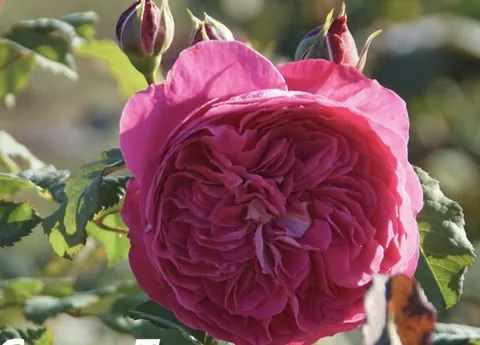
Rounded-conical, deep carmine in tone
Open flower
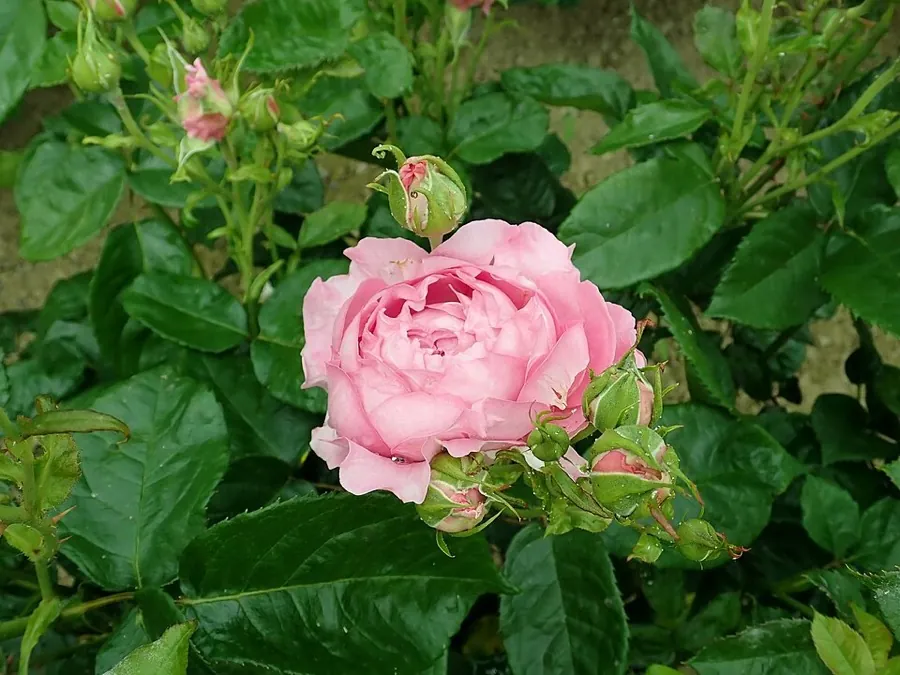
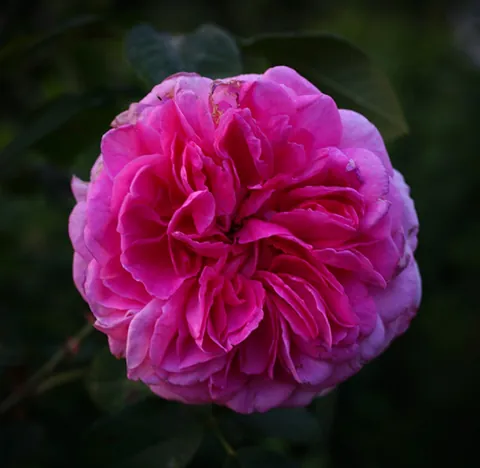
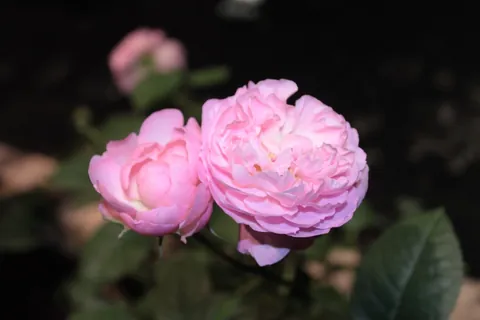
Quartered, with ruffled petal edges, resembling a peony; diameter 8–12.5 cm
Centre
Dense quartered centre with several sectors of petals
Fullness
Very double, 60–70 petals
Flower carriage
Flowers single or in groups of 3

Fragrance

Strong

Strong (5/5) — notes of rose, raspberry, myrrh, anise and cider, with a hint of lily of the valley — one of the most complex Massad scents.

Disease resistance

5 out of 5
Black spotresistantPowdery mildewresistantRustresistant

5/5 — resistant to black spot, powdery mildew and rust; one of the healthiest Generosas.

Sun

Full sun, south or west exposure

Good air circulation.

Thorns

Many
thornlessfewmoderatemanyvery many

Many thorns — described by Promesse de Roses as 'formidable thorns'.

Foliage

Dark green, semi-glossy, healthy.

Other names

Breeder's code MASCHAME.

All characteristics in a table
Group
Shrub rose
Breeder
Massad / Guillot, 1999
Bud shape
Rounded-conical, deep carmine in tone
Open flower
Quartered, with ruffled petal edges, resembling a peony; diameter 8–12.5 cm
Centre
Dense quartered centre with several sectors of petals
Colour
Rich medium pink that fades over time to silvery pink; the RHS describes it as 'carmine pink'
Fullness
Very double, 60–70 petals
Flower carriage
Flowers single or in groups of 3
Flowering
Abundant, continuous from May to November — a model of repeat flowering in Generosa
Fragrance
Strong (5/5) — notes of rose, raspberry, myrrh, anise and cider, with a hint of lily of the valley — one of the most complex Massad scents
Hips
Data not verified
Habit
Dense and upright — the typical Generosa habit
Branching
Good; the bush looks rounded
Shoots
Sturdy, holding the double flowers well
Thorns
Many thorns — described by Promesse de Roses as 'formidable thorns'.
Dimensions
80–150 cm tall × 60–100 cm wide; per Guillot — 150 × 80 cm
Support
No support needed — a standard upright shrub
Foliage
Dark green, semi-glossy, healthy
Resistance
5/5 — resistant to black spot, powdery mildew and rust; one of the healthiest Generosas
Variations of the variety
The patent code MASCHAME is also found as MASmaric (a variant spelling)

Colour scheme

Rich medium pink that fades over time to silvery pink; the RHS describes it as 'carmine pink'

Rose neighbours

Perennials to plant nearby

Neighbouring roses

Other pink Generosa and English roses — for a romantic French-style garden:

Companion perennials

Classic French garden plants — violet-blue and white spires:

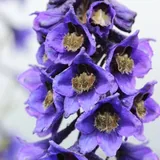
catmint 'Walker's Low'sage 'Caradonna'delphinium 'Magic Fountains'box (edging)

Contrasting accents

Silver and dark-leaved plants — for depth:

lavender 'Hidcote'heuchera 'Plum Pudding'love-lies-bleeding (Amaranthus caudatus)

More about the variety

Hips
Data not verified
Variations of the variety
The patent code MASCHAME is also found as MASmaric (a variant spelling)

How to grow

Where to plant. French 'château' garden beds, box-edged borders, formal borders in the English style, the centre of a romantic flower garden; because of the strong scent, beside paths or windows.

Climate. RHS H6, to −23 °C — suitable for all of Ukraine with moderate protection in the northern regions.

Care. Minimal — Generosa-quality with healthy foliage. Removing spent flowers encourages new flushes; formative pruning in spring. A sunny, airy site.

About the name

Name. After Chantal Mérieux, wife of Alain Mérieux, patron of the Mérieux biotechnology institute in Lyon (France). The rose became a family dedication from Massad.

Breeding. Bred by Dominique Massad in France; introduced by the nursery Roseraies Pierre Guillot in 1999. Patent code MASCHAME. Belongs to the Generosa® series — Guillot's flagship line, combining the nostalgic forms of old roses with modern health.

Significance. One of the classic Generosas with the most complex fragrance (myrrh + raspberry + anise + cider + lily of the valley). Earned RHS H6 for hardiness, and a high disease-resistance rating (5/5) make it a reliable choice for Ukrainian gardens.

Frequently asked questions about Chantal Mérieux

Does Chantal Mérieux need winter protection?

The cultivar’s reference temperature is −23 °C (USDA zone 6–9). Overwintering depends on the conditions.

How many times a season does Chantal Mérieux flower?

Abundant, continuous from May to November — a model of repeat flowering in Generosa.

How big does Chantal Mérieux grow?

80–150 cm tall, 60–100 cm wide.

Which diseases affect Chantal Mérieux?

Overall resistance: 5 out of 5. Resistant to black spot, powdery mildew and rust — a model of the Generosa series.

How much sun does Chantal Mérieux need?

Sun; full sun, south or west exposure; good air circulation.

What does Chantal Mérieux smell like?

Strong (5/5) — notes of rose, raspberry, myrrh, anise and cider, with a hint of lily of the valley — one of the most complex Massad scents.

Gardeners' photos and reviews

My climate

Choose a reference temperature to compare with the cultivar’s data. This is not an overwintering forecast or advice on winter protection; consider wind, moisture and the duration of frost.

Regional data are generalised. USDA describes average annual extreme minima, not a forecast; the values in the list are rounded. Check the conditions at your site. More information: Roses in Ukraine's climate.