

Back to catalogue
Hybrid TeaNola Simpson, 2002Apricot and orange

Copper Lights

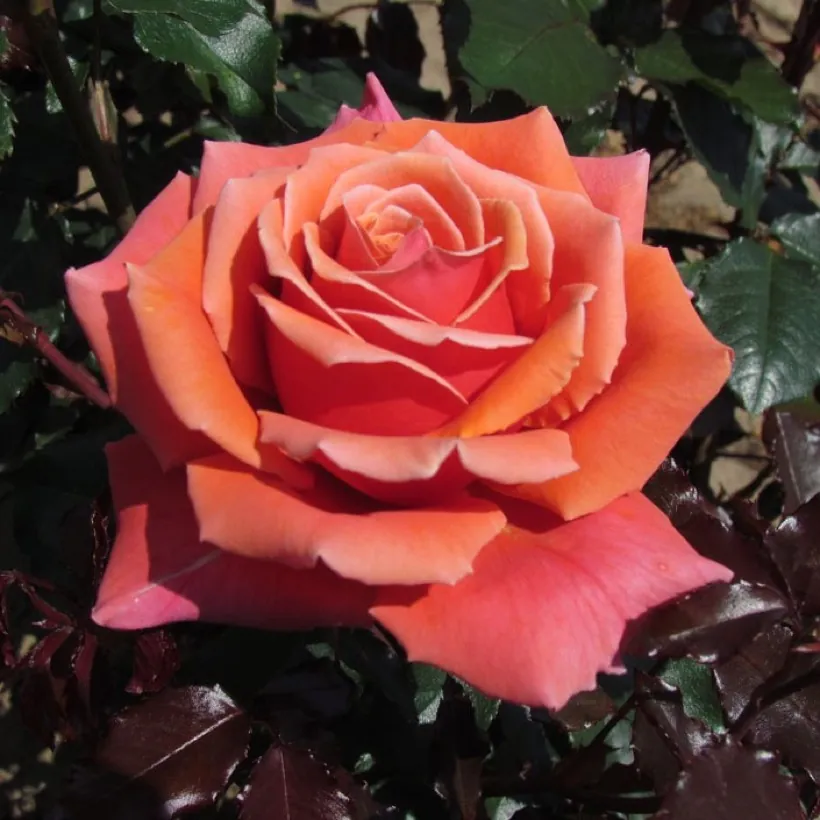
A rich copper-orange tone; dark reddish-purple glossy foliage; grows well in a cool, moist climate.

Deep purple glossy foliage as the bush's main ornament

Variety profile

Flowering

Repeat, in flushes

Repeating in flushes all season, from early summer to autumn. Months are approximate, for the climate of Ukraine.

Legacy

New Zealand

From the nursery of Nola Simpson, creator of New Zealand's first 'brown' rose, Hot Chocolate

Winter hardiness

−15 °C

South of Ukraine; in the north – with winter protection. South of Ukraine · in the north — with cover.

Compare reference temperatures

Plant size

100–120 × 50–75 cm
person 170 cm100–120 cm
Habit
Upright, vertical
Dimensions
100–120 cm tall × 50–75 cm wide
Support
Not needed – a self-supporting bush
Shoots
Sturdy
Branching
Good

Flower

7–10 cm
Bud shape
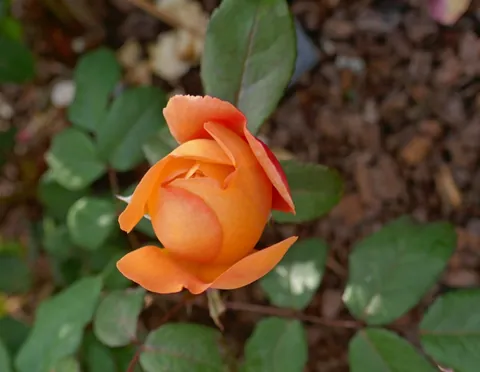
Pointed, high-centred
Open flower
Double, classic Hybrid Tea form; diameter ~7–10 cm
Centre
High
Fullness
Double, ~26–39 petals
Flower carriage
Mostly singly, sometimes in small clusters; good for cutting

Fragrance

Light; soft rose

Disease resistance

4 out of 5

Generally healthy; preventive treatment against black spot and powdery mildew is advisable.

Sun

Full sun

Copes well with a cool and moist climate.

Thorns

Few
thornlessfewmoderatemanyvery many

Few prickles on the stems.

Foliage

Dense, glossy, dark reddish-purple – makes the bush decorative in its own right.

Other names

Breeder's code SIMligh.

All characteristics in a table
Group
Hybrid Tea
Breeder
Nola Simpson, New Zealand, 2002
Bud shape
Pointed, high-centred
Open flower
Double, classic Hybrid Tea form; diameter ~7–10 cm
Centre
High
Colour
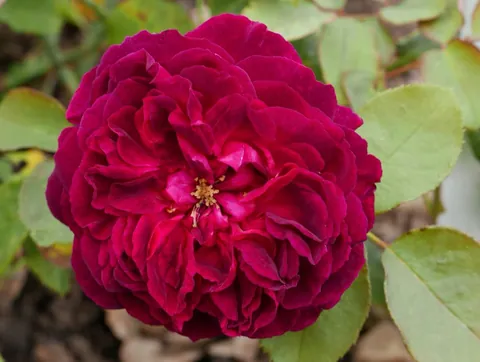
Copper-orange blend: darker copper-red outside, lighter coral-pink inside; a warm ‘copper’ tone
Fullness
Double, ~26–39 petals
Flower carriage
Mostly singly, sometimes in small clusters; good for cutting
Flowering
Repeating in flushes all season, from early summer to autumn
Fragrance
Light – soft rose
Hips
Usually not left – spent blooms are cut off
Habit
Upright, vertical
Branching
Good
Shoots
Sturdy
Thorns
Few prickles on the stems.
Dimensions
100–120 cm tall × 50–75 cm wide
Support
Not needed – a self-supporting bush
Foliage
Dense, glossy, dark reddish-purple – makes the bush decorative in its own right
Resistance
Generally healthy; preventive treatment against black spot and powdery mildew is advisable
Variations of the variety
No separate sports recorded

Colour scheme

Copper-orange blend: darker copper-red outside, lighter coral-pink inside; a warm ‘copper’ tone

Rose neighbours

Perennials to plant nearby

Neighbouring roses

Copper, apricot and orange varieties keep the same warm 'bronze' mood around Copper Lights.

Companion perennials

Blue and purple flowers bring out the copper, and the purple foliage of heuchera echoes the bush's dark leaves:

catmint (Nepeta)salvia 'Caradonna'Perovskiaheuchera

Contrasting accents

Blue spires and purple foliage deepen the warm copper palette:

DelphiniumNepeta Six Hills GiantHeuchera Palace Purple

More about the variety

Hips
Usually not left – spent blooms are cut off
Variations of the variety
No separate sports recorded

How to grow

Where to plant. In a mixed border among blue-purple perennials, where the copper flowers and dark purple foliage give a striking contrast; good for cutting.

Climate. The south and centre of Ukraine – no protection needed; in the north – with winter protection. It copes particularly well with a cool and moist climate.

Care. Full sun, rich soil; feed twice per season; in damp weather – disease prevention.

About the name

Name. 'Copper Lights' – ‘copper light’: for the warm copper glow of the flowers. Bred by Nola M. Simpson (Simpson's Roses, Levin, New Zealand) before 2002. Patent code SIMligh. Parentage: 'Copper N' Bronze' × 'Spek's Centennial'. After 2011 her nephew John Ford continued the breeder's work; the variety was introduced in Britain by the nursery Style Roses.

Significance. The work of one of the most prolific New Zealand breeders, Nola Simpson – the author of the first New Zealand ‘brown’ rose, Hot Chocolate. Copper Lights is valued for the unusual combination of copper flowers and dark purple foliage.

Frequently asked questions about Copper Lights

Does Copper Lights need winter protection?

The cultivar’s reference temperature is −15 °C. Overwintering depends on the conditions. South of Ukraine; in the north – with winter protection.

How many times a season does Copper Lights flower?

Repeating in flushes all season, from early summer to autumn.

How big does Copper Lights grow?

100–120 cm tall, 50–75 cm wide.

Which diseases affect Copper Lights?

Overall resistance: 4 out of 5. 3–4 / 5; good – generally healthy; prevention against black spot and mildew.

How much sun does Copper Lights need?

Full sun; copes well with a cool and moist climate.

What does Copper Lights smell like?

Light – soft rose.

Gardeners' photos and reviews

My climate

Choose a reference temperature to compare with the cultivar’s data. This is not an overwintering forecast or advice on winter protection; consider wind, moisture and the duration of frost.

Regional data are generalised. USDA describes average annual extreme minima, not a forecast; the values in the list are rounded. Check the conditions at your site. More information: Roses in Ukraine's climate.