Back to catalogue
Floribunda (Weeks Roses)Carruth / Weeks, 2009Apricot and orange

Cinco de Mayo

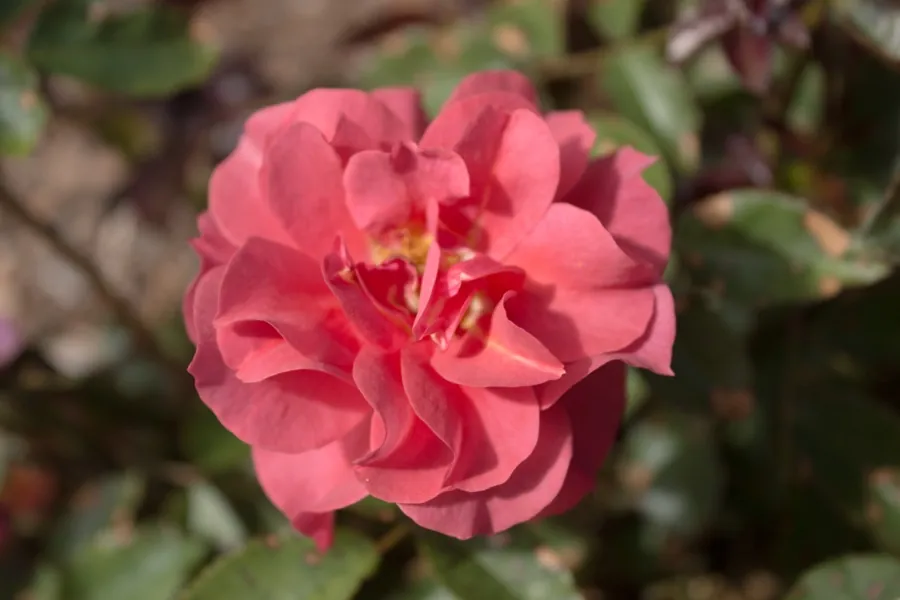
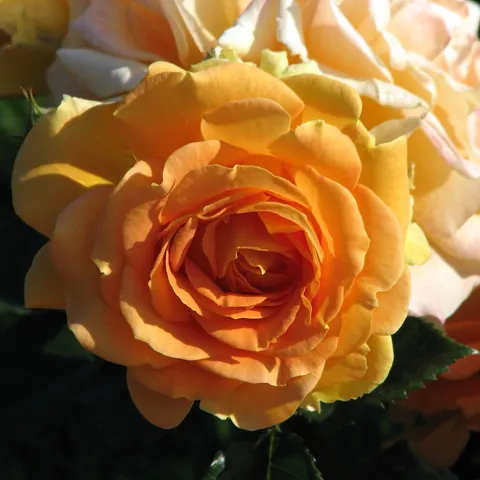
AARS winner 2009; smoky rust-orange with a lavender undertone.

AARS 2009 · unique smoky colour

Variety profile

Flowering

Abundant repeat flowering all summer

Awards

AARS 2009

All-America Rose Selections — award of the year

Winter hardiness

−29 °C

USDA zone 5–9. To ≈ −29 °C; relatively hardy. To ≈ −29 °C · relatively winter-hardy.

Compare reference temperatures

Plant size

90–120 × 90–120 cm
person 170 cm90–120 cm
Habit
Rounded, compact, well-balanced
Dimensions
90–120 cm tall × 90–120 cm wide
Support
Not needed
Shoots
Sturdy
Branching
Dense

Flower

7–9 cm
Bud shape
Long, pointed
Open flower
Double, wavy/spiral, in small clusters; 7–9 cm
Centre
Spiral, opening flat
Fullness
Double, 20–25 petals
Flower carriage
In small clusters
Flower durability
Good; the colour changes with the weather

Fragrance

Light

Light, sweet apple.

Disease resistance

4 out of 5
Black spotresistantPowdery mildewresistant

High resistance to black spot and powdery mildew.

Sun

Abundant repeat flowering

The colour is richer in cool weather.

Foliage

Glossy dark green, healthy.

Other names

Breeder's code WEKcobeju.

All characteristics in a table
Group
Floribunda (Weeks Roses)
Breeder
Carruth / Weeks, USA, 2009
Bud shape
Long, pointed
Open flower
Double, wavy/spiral, in small clusters; 7–9 cm
Centre
Spiral, opening flat
Colour
Smoky rust-red-orange with shades of lavender and mocha — hard to describe
Fullness
Double, 20–25 petals
Flower carriage
In small clusters
Flowering
Abundant repeat flowering all summer
Fragrance
Light, sweet apple
Flower durability
Good; the colour changes with the weather
Habit
Rounded, compact, well-balanced
Branching
Dense
Shoots
Sturdy
Thorns
Moderate number of thorns.
Dimensions
90–120 cm tall × 90–120 cm wide
Support
Not needed
Foliage
Glossy dark green, healthy
Resistance
High resistance to black spot and powdery mildew
Use
Borders, groups, the middle of a bed, cutting
Colour scheme

Smoky rust-red-orange with shades of lavender and mocha — hard to describe

Rose neighbours

Perennials to plant nearby

Neighbouring roses

Warm orange and yellow bedding roses enhance the smoky palette.

Companion perennials

Purple and blue perennials pick up the lavender undertone of the flower:

perovskia (Russian sage)sagecatmintwoundwort

Contrasting accents

The smoky colour looks best next to violet-blue:

perovskia (Russian sage)sagecatmint

More about the variety

Use
Borders, groups, the middle of a bed, cutting
How to grow

Where to plant. Borders, groups, the middle of a bed; striking for cutting.

Climate. USDA 5–9 (to ≈ −29 °C) — in Ukraine it overwinters with protection of the bush base.

Care. Very healthy and undemanding; the colour is richer in cool weather. Prune in spring.

About the name

Name. Named after the Mexican holiday Cinco de Mayo (5 May) — festive, bright.

Breeding. Tom Carruth, Weeks Roses (USA); 2009; code WEKcobeju. 'Topsy Turvy' × 'Julia Child'.

Significance. AARS winner 2009; known for its unusual 'smoky' colour — one of the most recognisable modern floribundas.

Frequently asked questions about Cinco de Mayo

Does Cinco de Mayo need winter protection?

The cultivar’s reference temperature is −29 °C (USDA zone 5–9). Overwintering depends on the conditions. To ≈ −29 °C; relatively hardy.

How many times a season does Cinco de Mayo flower?

Abundant repeat flowering all summer.

How big does Cinco de Mayo grow?

90–120 cm tall, 90–120 cm wide.

Which diseases affect Cinco de Mayo?

Overall resistance: 4 out of 5. Very resistant; glossy foliage, resistant to black spot and mildew.

How much sun does Cinco de Mayo need?

Sun; abundant repeat flowering; the colour is richer in cool weather.

What does Cinco de Mayo smell like?

Light, sweet apple.

Gardeners' photos and reviews

My climate

Choose a reference temperature to compare with the cultivar’s data. This is not an overwintering forecast or advice on winter protection; consider wind, moisture and the duration of frost.

Regional data are generalised. USDA describes average annual extreme minima, not a forecast; the values in the list are rounded. Check the conditions at your site. More information: Roses in Ukraine's climate.