

Back to catalogue
'Garden English' — cut roseJan Spek Rozen, 2017White and cream

Emma Woodhouse

VBN 120086; a collection named after the heroines of Jane Austen — NOT Austin Roses (a common mistake!).

Pride of Jane® · Jane Austen Roses

Variety profile

Flowering

As a cut rose — continuously in the greenhouse; as a garden rose — repeat-flowering

Awards

Jane Austen

Flagship of the Pride of Jane collection · popular in wedding bouquets

Winter hardiness

−20 °C

USDA zone 5–9. As a garden rose, needs confirmation outside the greenhouse.

Compare reference temperatures

Plant size

80–100 cm
person 170 cm80–100 cm
Habit
Compact — typical of cut varieties
Dimensions
As a cut rose: stems 50–70 cm; bush 80–100 cm
Support
Does not need support
Shoots
Straight, long (50–70 cm) — ideal for cutting
Branching
Moderate

Flower

8–10 cm
Bud shape
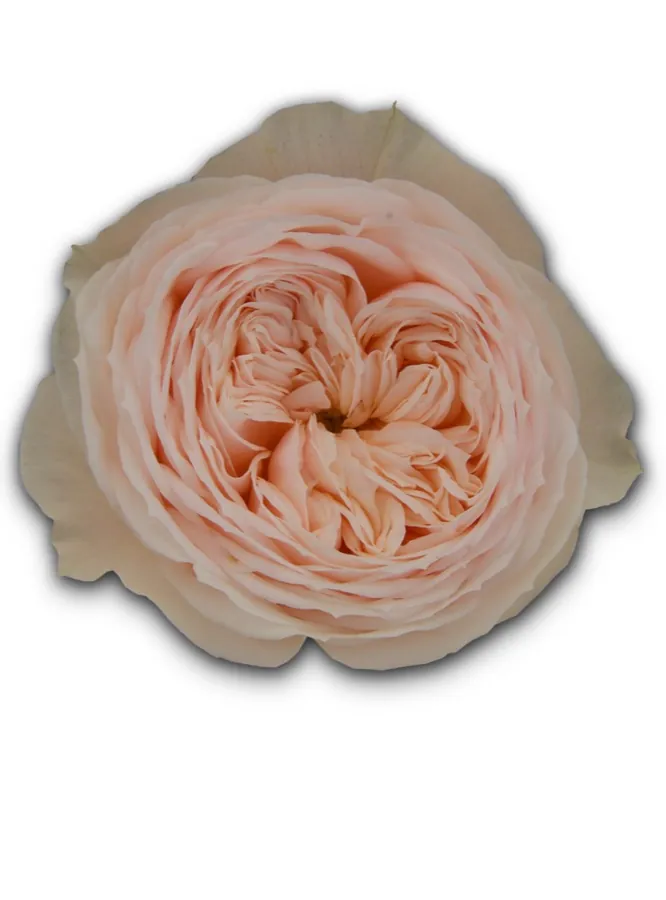
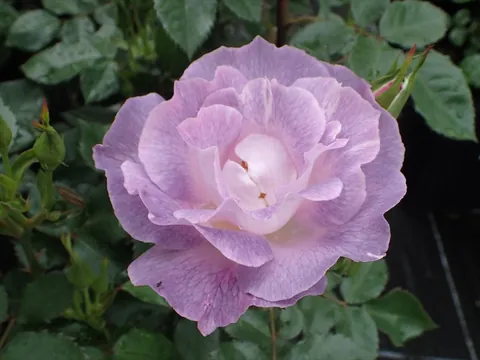
Round-conical, soft cream-peach
Open flower
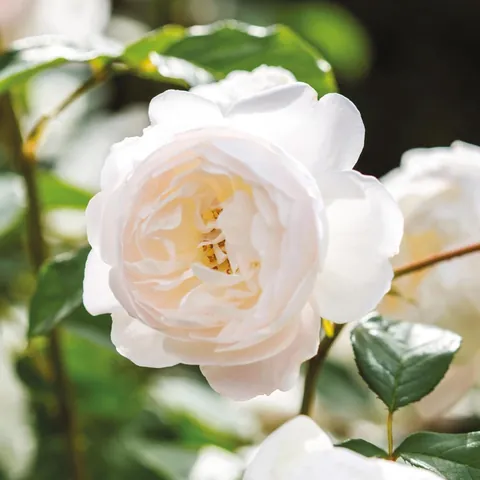
From cupped to rosette, resembling a peony; diameter 8–10 cm
Centre
Dense heart with petal curls
Fullness
Very double, 50–70 petals
Flower carriage
Mostly large flowers borne singly on each stem (florist type)

Fragrance

Strong

Strong — a fruity burst with notes of tea.

Disease resistance

4 out of 5
Black spotresistantPowdery mildewresistant

Good against black spot and powdery mildew; vase life 8–10 days.

Sun

Full sun

The colour depends on temperature — in heat it turns peach-apricot.

Thorns

Thornless
thornlessfewmoderatemanyvery many

Almost thornless — a rare advantage.

Foliage

Dark green, healthy.

Other names

Breeder's code SPEdans.

All characteristics in a table
Group
'Garden English' — cut rose
Breeder
Jan Spek Rozen, Netherlands, 2017
Bud shape
Round-conical, soft cream-peach
Open flower
From cupped to rosette, resembling a peony; diameter 8–10 cm
Centre
Dense heart with petal curls
Colour
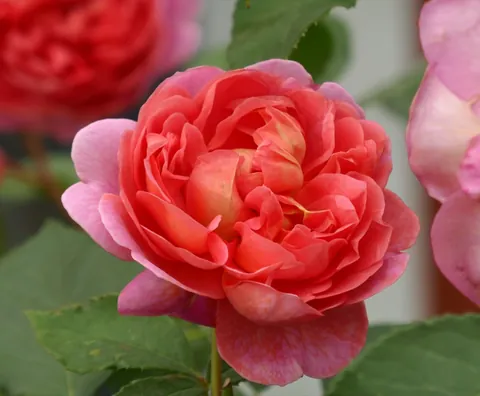
Cream-pale pink at low temperatures – peach-apricot / orange-tangerine at high temperatures (above 30 °C) — a rare, temperature-driven colour play
Fullness
Very double, 50–70 petals
Flower carriage
Mostly large flowers borne singly on each stem (florist type)
Flowering
As a cut rose — continuously in the greenhouse; as a garden rose — repeat-flowering
Fragrance
Strong — a fruity burst with notes of tea
Hips
Not documented
Habit
Compact — typical of cut varieties
Branching
Moderate
Shoots
Straight, long (50–70 cm) — ideal for cutting
Thorns
Almost thornless — a rare advantage.
Dimensions
As a cut rose: stems 50–70 cm; bush 80–100 cm
Support
Does not need support
Foliage
Dark green, healthy
Resistance
Good against black spot and powdery mildew; vase life 8–10 days
Variations of the variety
Other varieties in the Pride of Jane series: Northanger Abbey, Persuasion, Pride and Prejudice

Colour scheme

Cream-pale pink at low temperatures – peach-apricot / orange-tangerine at high temperatures (above 30 °C) — a rare, temperature-driven colour play

Rose neighbours

Perennials to plant nearby

Rose neighbours

Pastel English and Japanese varieties for an English-style border:

Companion perennials

Classic English palette — for a 'literary' flower garden:

catmintpeony 'Duchesse de Nemours'brunnera 'Jack Frost'veronica 'Crater Lake Blue'

Availability worldwide

Cut-flower — widely available; as a garden rose — limited:

  • 🇳🇱 Europe: HIGH in floristry · Netherlands · UK
  • 🇺🇸 USA: moderate · April&Ashley · Grace · Highgarden
  • 🇨🇳 Asia: high · China · Japan — in the cut-flower market
  • 🇺🇦 Ukraine: very low as a garden rose · moderate with florists

More about the variety

Hips
Not documented
Variations of the variety
Other varieties in the Pride of Jane series: Northanger Abbey, Persuasion, Pride and Prejudice

How to grow

Where to plant. Officially classified as a cut rose, but third-party nurseries (April&Ashley, Highgarden) sell it as a garden shrub rose. For the garden — pastel borders in English style and flower beds for cutting (especially for wedding bouquets).

Climate. Down to −20 °C — as a garden rose it needs moderate protection in the northern regions of Ukraine; as a cut rose — in a greenhouse.

Care. For cutting, cut in the morning at the half-open bud stage. In the garden — standard disease prevention.

About the name

Name. After Emma Woodhouse, the title heroine of Jane Austen's novel 'Emma' (1815), one of the most famous and witty characters in English literature. The name conveys the tender, aristocratic, literary character of the flower.

Breeding. IMPORTANT: this is NOT David Austin Roses, as is often confused (a common mistake because of the English-literary theme!). Bred by Jan Spek Rozen (Boskoop, Netherlands) in 2017. Breeding code SPEdans; VBN-code 120086; trademark 1291134. Parentage not published.

Significance. Part of the Pride of Jane® / Jane Austen Roses collection — created by Spek together with the Dutch Jane Austen society, which honours the heroines of the British writer. Other varieties in the series: 'Northanger Abbey', 'Persuasion', 'Pride and Prejudice'. The grower officially classifies it as a 'Garden English' cut rose, but in some markets it is adapted and sold as a garden shrub rose. It is gradually gaining popularity on the Ukrainian florist market.

Frequently asked questions about Emma Woodhouse

Does Emma Woodhouse need winter protection?

The cultivar’s reference temperature is −20 °C (USDA zone 5–9). Overwintering depends on the conditions. As a garden rose, needs confirmation outside the greenhouse.

How many times a season does Emma Woodhouse flower?

As a cut rose — continuously in the greenhouse; as a garden rose — repeat-flowering.

How big does Emma Woodhouse grow?

80–100 cm tall.

Which diseases affect Emma Woodhouse?

Overall resistance: 4 out of 5. Good against black spot and powdery mildew; vase life 8–10 days.

How much sun does Emma Woodhouse need?

Sun; full sun; the colour depends on temperature — in heat it turns peach-apricot.

What does Emma Woodhouse smell like?

Strong — a fruity burst with notes of tea.

Gardeners' photos and reviews

My climate

Choose a reference temperature to compare with the cultivar’s data. This is not an overwintering forecast or advice on winter protection; consider wind, moisture and the duration of frost.

Regional data are generalised. USDA describes average annual extreme minima, not a forecast; the values in the list are rounded. Check the conditions at your site. More information: Roses in Ukraine's climate.