Back to catalogue
Hybrid Tea / cut flower (Interplant)Interplant, 2018Pink

Golden Mustard

Code 6428; a mustard-bronze cut rose — a rare 'golden mustard' shade.

Mustard-bronze, the 'new neutral'

Variety profile

Flowering

Repeat-flowering in flushes

Feature

'Golden Mustard'

A rare mustard-bronze tone; in demand in wedding floristry

Plant size

90–120 × 90 cm
person 170 cm90–120 cm
Habit
Upright, cut-flower/garden type
Dimensions
90–120 cm × ~90 cm
Support
Not needed
Shoots
Strong, straight — for cutting
Branching
Moderate

Flower

5.5–11 cm
Bud shape
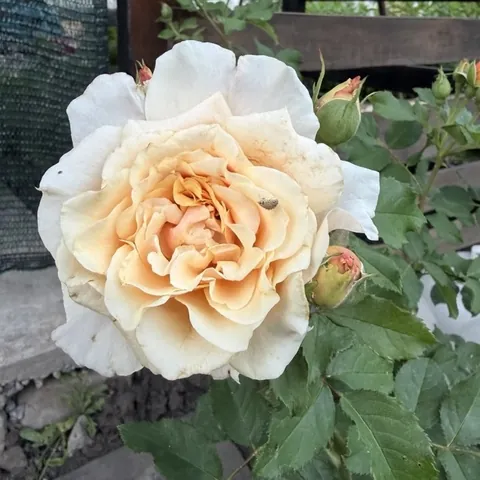
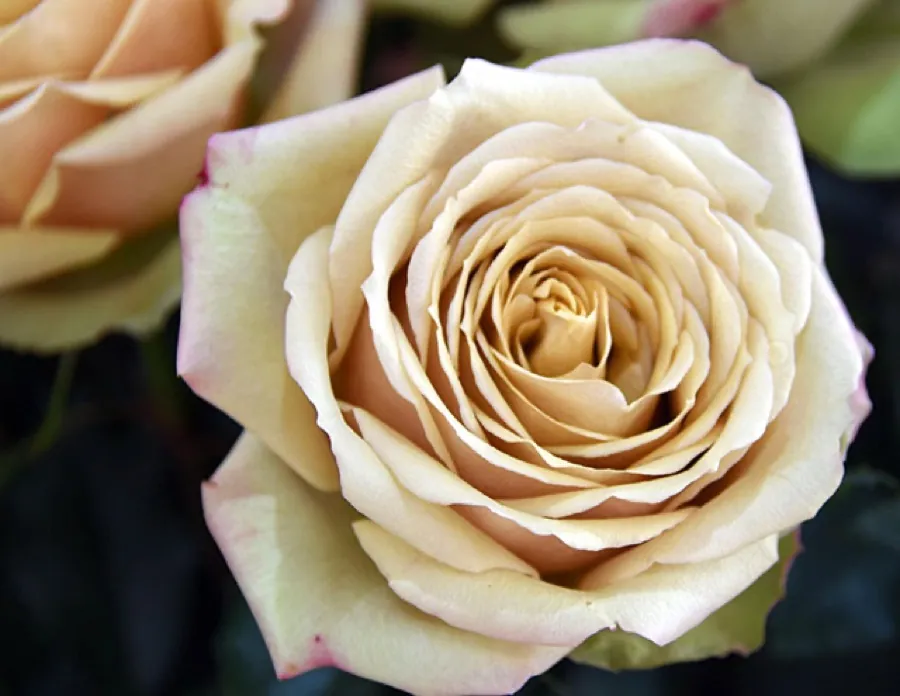
Classic goblet shape, sandy gold
Open flower
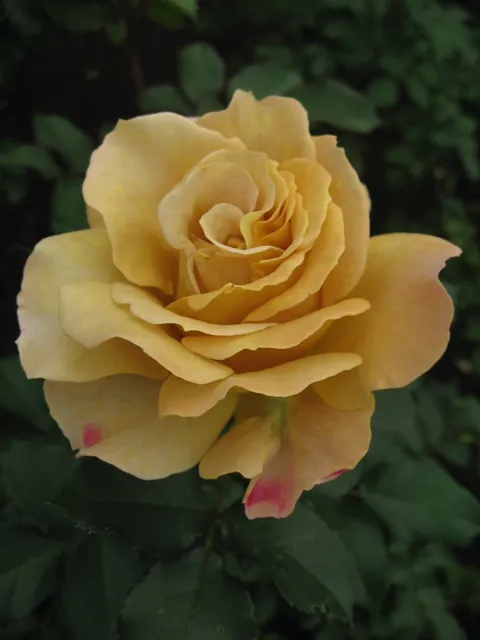
Classic Hybrid Tea, rosette-shaped when open; 5.5–11 cm
Centre
Dense, dull gold/mustard
Fullness
Double, 30–62 petals
Flower carriage
Singly on a long stem
Colour play
The mustard-bronze tone is richer in cool weather

Fragrance

Barely noticeable

Disease resistance

3 out of 5

Moderate.

Sun

Repeat-flowering

The mustard tone is deeper in cool weather.

Foliage

Dark green.

All characteristics in a table
Group
Hybrid Tea / cut flower (Interplant)
Breeder
Interplant, Netherlands, 2018
Bud shape
Classic goblet shape, sandy gold
Open flower
Classic Hybrid Tea, rosette-shaped when open; 5.5–11 cm
Centre
Dense, dull gold/mustard
Colour
Almond-sand outer petals (sometimes a faint pink edge) – deeper mustard-gold towards the centre
Fullness
Double, 30–62 petals
Flower carriage
Singly on a long stem
Flowering
Repeat-flowering in flushes
Fragrance
Barely noticeable
Colour play
The mustard-bronze tone is richer in cool weather
Habit
Upright, cut-flower/garden type
Branching
Moderate
Shoots
Strong, straight — for cutting
Thorns
Moderate number of thorns.
Dimensions
90–120 cm × ~90 cm
Support
Not needed
Foliage
Dark green
Resistance
Moderate
Use
Cut flowers, wedding floristry, 'coffee-toned' arrangements, a garden accent
Colour scheme

Almond-sand outer petals (sometimes a faint pink edge) – deeper mustard-gold towards the centre

Rose neighbours

Perennials to plant nearby

Neighbouring roses

The mustard-caramel varieties in this section are a natural company for 'Golden Mustard'.

Companion perennials

Purple and blue perennials set off the mustard-bronze:

perovskiacatmint (Nepeta)sagebetony (Stachys)

Contrasting accents

For contrast beside the mustard-bronze, blue and purple:

perovskiasagecatmint (Nepeta)

More about the variety

Use
Cut flowers, wedding floristry, 'coffee-toned' arrangements, a garden accent
How to grow

Where to plant. Cut flowers and wedding floristry; in the garden — a sunny bronze accent.

Climate. USDA 5b–11 — as a cut rose it is grown in greenhouses; in open ground cover is advisable.

Care. As for a cut-flower Hybrid Tea: sun, feeding, preventive care. The colour is best in cool weather.

About the name

Name. 'Golden Mustard' — named for the colour of the petals, which resembles mustard seed.

Breeding. Interplant Roses (Netherlands); 2018; code 6428.

Significance. A sought-after 'new neutral' in wedding floristry; a rare mustard-bronze shade.

Frequently asked questions about Golden Mustard

How many times a season does Golden Mustard flower?

Repeat-flowering in flushes.

How big does Golden Mustard grow?

90–120 cm tall, about 90 cm wide.

Which diseases affect Golden Mustard?

Overall resistance: 3 out of 5. Moderate resistance.

How much sun does Golden Mustard need?

Sun; repeat-flowering; the mustard tone is deeper in cool weather.

What does Golden Mustard smell like?

Barely noticeable.

Gardeners' photos and reviews

My climate

Choose a reference temperature to compare with the cultivar’s data. This is not an overwintering forecast or advice on winter protection; consider wind, moisture and the duration of frost.

Regional data are generalised. USDA describes average annual extreme minima, not a forecast; the values in the list are rounded. Check the conditions at your site. More information: Roses in Ukraine's climate.