


Back to catalogue
Large-flowered climberSam McGredy IV, 1965White and cream

Handel

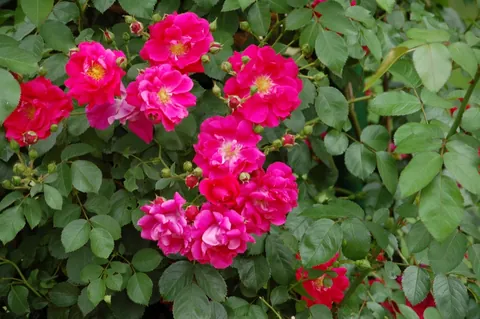
Named after the composer Georg Friedrich Handel; Portland Gold Medal 1975; the first repeat-flowering climber with a bicolour edge, 'like Peace'.

Climbing HT · McGredy

Variety profile

Flowering

Repeat flowering, in flushes through the season; the first climber with strong repeat flowering and bicolour colouring (1965)

Awards

Portland Gold

1975 · the most popular repeat-flowering climber · RNRS 1975

Winter hardiness

−26 °C

USDA zone 5b–9. All of Ukraine with moderate cover.

Compare reference temperatures

Plant size

150–335 × 215–245 cm
person 170 cm150–335 cm
Habit
A strong large-flowered climber with upright, thick canes; forms well on a tall support
Dimensions
150–335 cm tall × 215–245 cm wide; in a warm climate, at the upper limit
Support
Needs a sturdy support — arch, pergola, trellis or south wall
Shoots
Long and strong; they hold the heavy large flowers well
Branching
Good; over time it forms a powerful green wall

Flower

≈ 9 cm

22–30 petals.

Bud shape
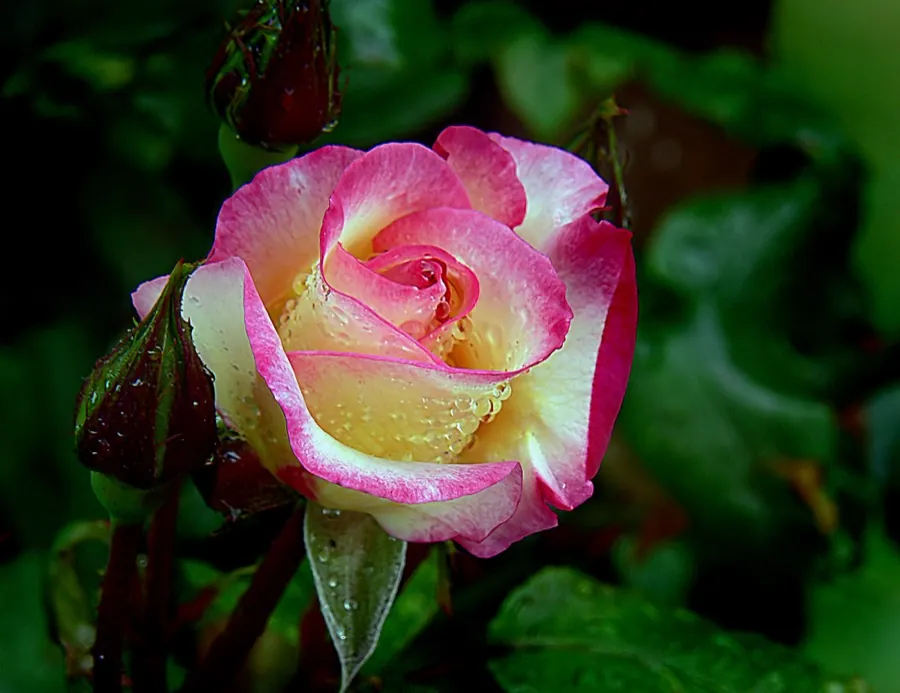
Elongated, high-centred, cream with a rich pink edge
Open flower
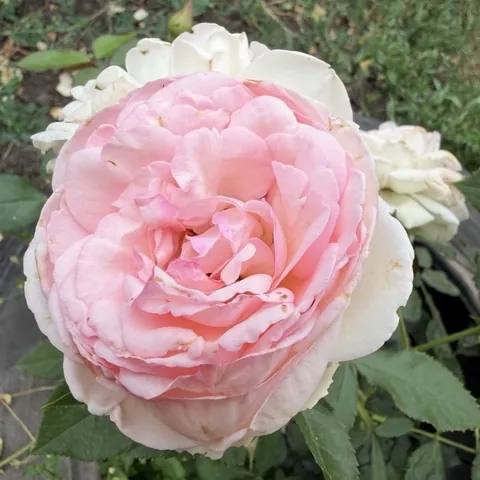
Classic hybrid tea goblet-shaped form; diameter 9 cm
Centre
Cream white, gradually darkening to crimson-pink petal edges
Fullness
22–30 petals
Flower carriage
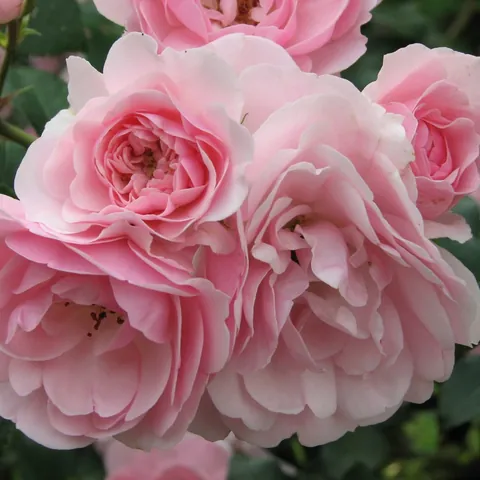
Singly, or in small clusters of 2–3

Fragrance

Barely noticeable

Barely noticeable, with a light honey note — not the variety's strong point; its main value is the dramatic colour.

Disease resistance

3 out of 5
Black spotmoderate

Medium — as a HT climber it needs prevention of black spot in a damp climate.

Sun

Full sun for abundant flowering

The intensity of the edge depends on warmth.

Thorns

Many
thornlessfewmoderatemanyvery many

Many prickles — typical of McGredy-climbers from the 1960s.

Foliage

Dark green, leathery.

Other names

Händel, Haendel, McGredy's Händel
All characteristics in a table
Group
Large-flowered climber
Breeder
Sam McGredy IV, Northern Ireland, 1965
Bud shape
Elongated, high-centred, cream with a rich pink edge
Open flower
Classic hybrid tea goblet-shaped form; diameter 9 cm
Centre
Cream white, gradually darkening to crimson-pink petal edges
Colour
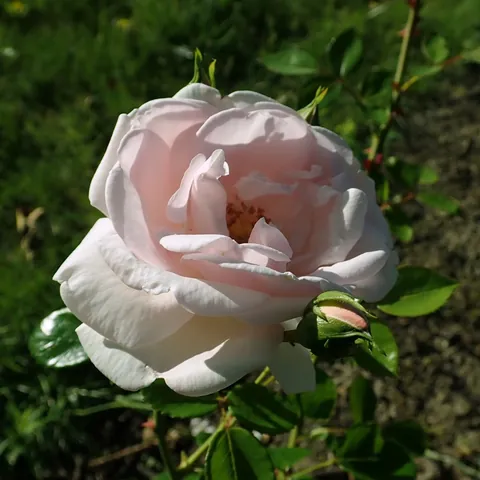
A 'chameleon' variety: the intensity of the pink edge depends on temperature — in heat it is a rich crimson, in cool weather it is paler; in bud the pink predominates, and a creamy centre appears as the flower opens
Fullness
22–30 petals
Flower carriage
Singly, or in small clusters of 2–3
Flowering
Repeat flowering, in flushes through the season; the first climber with strong repeat flowering and bicolour colouring (1965)
Fragrance
Barely noticeable, with a light honey note — not the variety's strong point; its main value is the dramatic colour
Hips
Not documented as decorative
Habit
A strong large-flowered climber with upright, thick canes; forms well on a tall support
Branching
Good; over time it forms a powerful green wall
Shoots
Long and strong; they hold the heavy large flowers well
Thorns
Many prickles — typical of McGredy-climbers from the 1960s.
Dimensions
150–335 cm tall × 215–245 cm wide; in a warm climate, at the upper limit
Support
Needs a sturdy support — arch, pergola, trellis or south wall
Foliage
Dark green, leathery
Resistance
Medium — as a HT climber it needs prevention of black spot in a damp climate
Variations of the variety
Synonyms Händel, Haendel, McGredy's Händel; code MACha; parentage 'Columbine' × 'Heidelberg' (Kordes 1959)

Colour scheme

A 'chameleon' variety: the intensity of the pink edge depends on temperature — in heat it is a rich crimson, in cool weather it is paler; in bud the pink predominates, and a creamy centre appears as the flower opens

Rose neighbours

Perennials to plant nearby

Neighbouring roses

Classic climbers from the 1950s–80s for a themed arch:

Companion perennials

Classic English pastel palette at the base:

lavender 'Munstead'geranium 'Wargrave Pink'Stachys byzantina (lamb's ear)lady's mantle (Alchemilla)

Availability worldwide

A classic in cultivation for over 60 years, known worldwide — widely available:

🇪🇺 Europe: HIGH · classic from 1965🇺🇸 USA: high · ARS Top-10 climber🇯🇵 Asia: high · Japan reveres McGredy🇺🇦 Ukraine: HIGH · popular as 'Handel'

More about the variety

Hips
Not documented as decorative
Variations of the variety
Synonyms Händel, Haendel, McGredy's Händel; code MACha; parentage 'Columbine' × 'Heidelberg' (Kordes 1959)

How to grow

Where to plant. Tall arches, pergolas, south-facing house walls, and themed 'musical' borders (beside roses named after composers, for example Goethe in the poetic group). It looks lovely against dark evergreens such as yew and thuja, where the bicolour 'glows' against the dark background.

Climate. Down to −26 °C — all of Ukraine with moderate cover; in the south, no cover needed.

Care. Formative pruning of climbers is minimal; it is important to train the main shoots horizontally for abundant flowering; preventive treatment against black spot 2–3 times per season is essential in a damp climate.

About the name

Name. The variety is dedicated to Georg Friedrich Händel (Georg Friedrich Händel / George Frideric Handel, 1685–1759), the German-British Baroque composer, author of operas, oratorios ('Messiah', 1741) and concertos for orchestra. He was born in Germany, moved to London in 1712, and there became one of the key figures of English musical culture. The variety uses the English form of the name (Handel), not the German (Händel), as a sign of the 'British' Handel.

Breeding. Bred by Sam McGredy IV at the nursery McGredy & Son, Portadown, Northern Ireland, in 1960; commercially introduced in Great Britain in 1965. Code MACha. Parentage: 'Columbine' × 'Heidelberg' (Kordes 1959, climbing floribunda). Sam McGredy IV later moved to New Zealand (1972) and continued his breeding there, creating varieties such as 'Sexy Rexy' (1984), 'Aotearoa' and 'Solitaire'.

Significance. Portland Gold Medal 1975. In 1975 the Royal National Rose Society (Great Britain) named Handel 'the most popular repeat-flowering climber of all time'. It was the first repeat-flowering climber with a bicolour edge 'like Peace'; it caused a sensation in 1965 and remains the benchmark 'bicolour arch' in English gardens. It is well known in world culture, and in the post-Soviet space as 'Handel', one of the most popular white climbers for classic dacha arches.

Frequently asked questions about Handel

Does Handel need winter protection?

The cultivar’s reference temperature is −26 °C (USDA zone 5b–9). Overwintering depends on the conditions. All of Ukraine with moderate cover.

How many times a season does Handel flower?

Repeat flowering, in flushes through the season; the first climber with strong repeat flowering and bicolour colouring (1965).

How big does Handel grow?

150–335 cm tall, 215–245 cm wide.

Which diseases affect Handel?

Overall resistance: 3 out of 5. Moderate; in damp weather prone to black spot, so it needs preventive treatment.

How much sun does Handel need?

Sun; full sun for abundant flowering; the intensity of the edge depends on warmth.

What does Handel smell like?

Barely noticeable, with a light honey note — not the variety's strong point; its main value is the dramatic colour.

Gardeners' photos and reviews

My climate

Choose a reference temperature to compare with the cultivar’s data. This is not an overwintering forecast or advice on winter protection; consider wind, moisture and the duration of frost.

Regional data are generalised. USDA describes average annual extreme minima, not a forecast; the values in the list are rounded. Check the conditions at your site. More information: Roses in Ukraine's climate.