

About the name
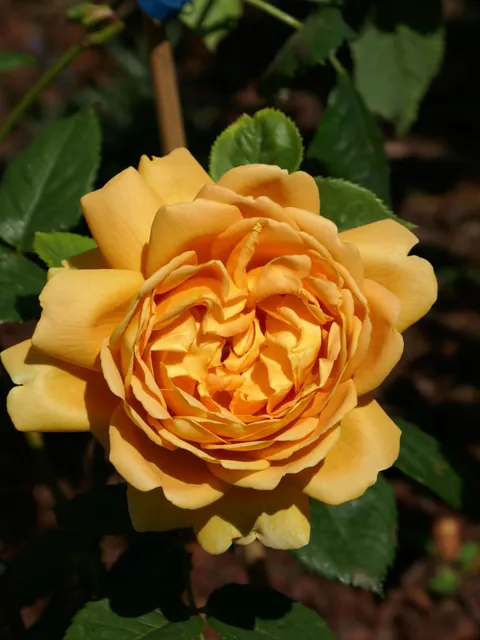
Name. The rose is named after John Davis (c. 1550–29.12.1605), an English navigator and Arctic explorer of the Elizabethan era. He made three expeditions in 1585–1587 searching for the Northwest Passage through the Canadian Arctic. The Davis Strait between Greenland and Baffin Island is named after him. He invented the navigation instrument the 'Davis quadrant' (1594), which replaced the astrolabe in sea navigation for 200 years. He was killed by Japanese pirates near Singapore in 1605.
Breeding. Bred by Dr. Felicitas Svejda (1920–2016) at Agriculture Canada (Ottawa Research Station) and introduced in 1977. Breeding code L49. Parentage: R. kordesii × ('Red Dawn' × 'Suzanne'). Triploid. Registered with COPF (Canadian Ornamental Plant Foundation).
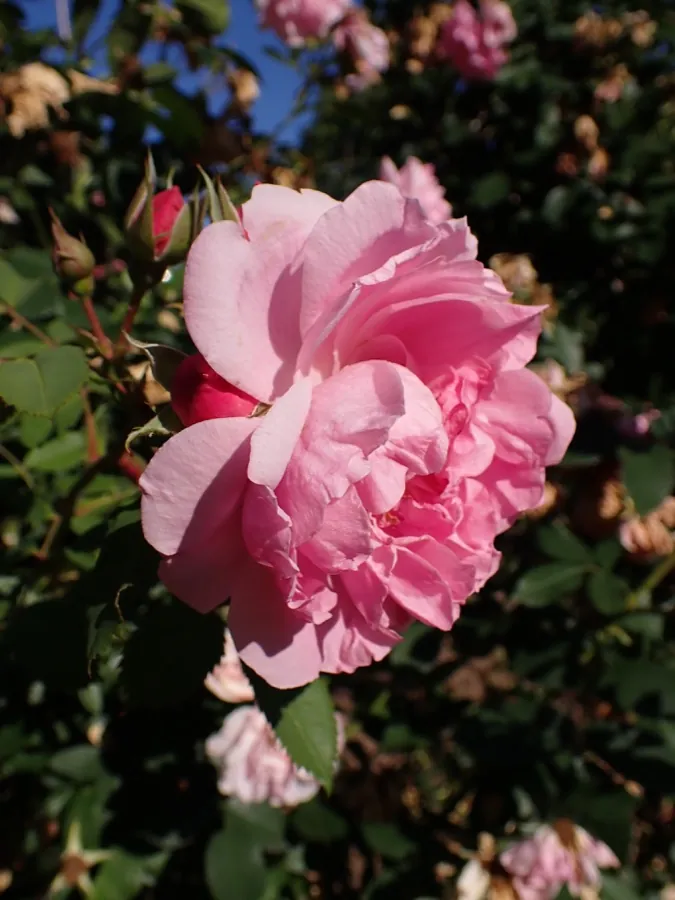
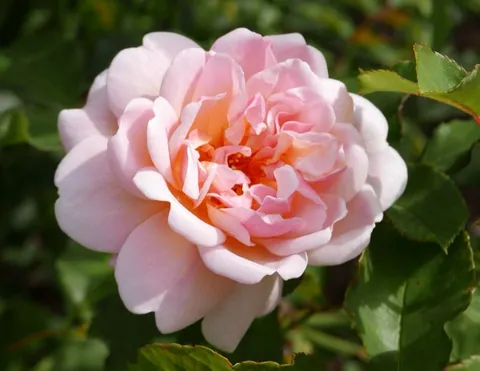
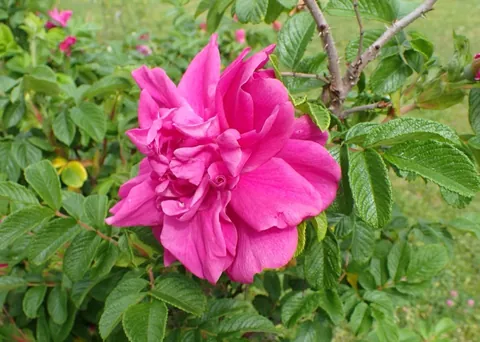
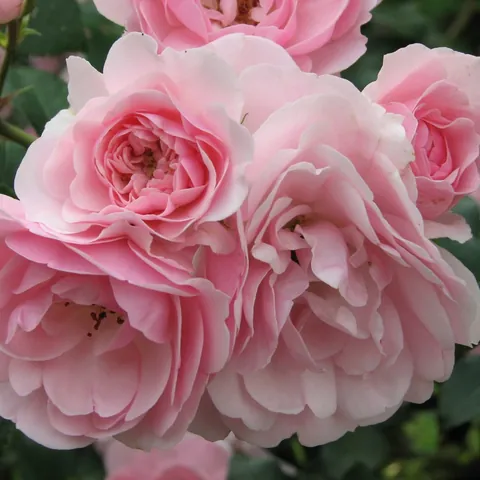
Significance. One of the best-known and most popular varieties of the Explorer Series, bred by Agriculture Canada (1968 to the 1990s) specifically for the cold Canadian prairies. All varieties in the series are named after Canadian and Arctic explorers (Champlain, William Baffin, Henry Hudson, Alexander Mackenzie and others). Svejda was the author of a whole line that made ornamental roses possible in USDA zones 2–3. John Davis is the most beautiful and best-known of the super-hardy Canadian roses. It is often wrongly classified as a Climber: formally it is a Hybrid Kordesii Shrub, used as a short climber. Not to be confused with the American politician John W. Davis or the composer John Davis: the rose is named after the Elizabethan navigator.