



Back to catalogue
English ShrubDavid C. H. Austin Sr.; David Austin Roses, 2002Pink

Jubilee Celebration

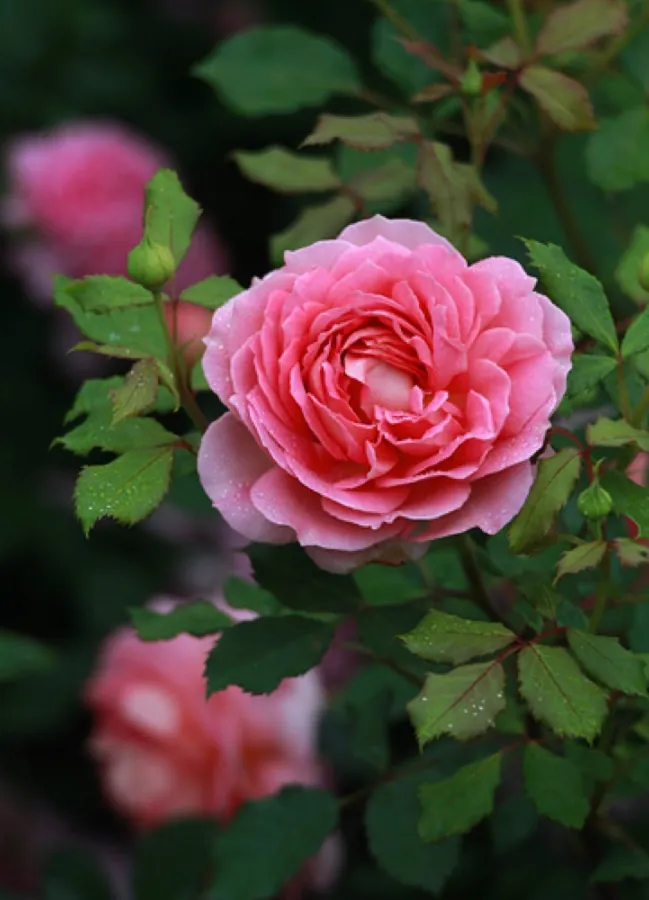
Named for the Golden Jubilee of Elizabeth II (50 years on the throne, 2002); warm pink with a golden reverse; a daughter of Golden Celebration (Austin 1992).

David Austin English Rose Collection

Variety profile

Flowering

Repeat-flowering, profuse

Austin lineage

Sr. 2002

Parentage: Golden Celebration × seedling · the 'Celebration' line family

Winter hardiness

−23 °C

USDA zone 5–6b. In Ukraine, with light winter protection.

Compare reference temperatures

Plant size

110–120 × 120 cm
person 170 cm110–120 cm
Habit
Domed, well branched, with arching stems — typical of an Austin English Shrub
Dimensions
110–120 × 120 cm; in warm climates up to 150 cm
Support
No support needed
Shoots
Strong, arching, naturally bending towards the ground under the weight of the large flowers
Branching
Excellent, from the base

Flower

9–13 cm
Bud shape
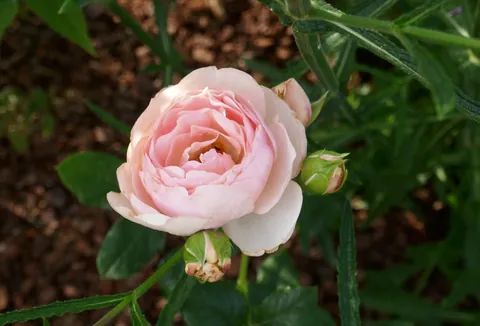
Round and full, with salmon-pink tones already visible
Open flower
Large domed / cupped — the classic form of an Austin English Shrub; very full, with the pale yellow centre showing through between the petals
Centre
Pale yellow, showing through between the outer warm pink petals
Fullness
Very full, ~41 petals
Flower carriage
In small clusters of several flowers on each stem

Fragrance

Strong; fresh lemon + raspberry

Strong, fresh fruity: lemon + raspberry — one of the most 'fruity-scented' English roses by David Austin.

Disease resistance

4 out of 5
Black spotresistantPowdery mildewresistant

4/5 — good, typical of the later David Austin Sr. varieties.

Sun

Sun+

Full sun; tolerates light shade.

Thorns

Moderate
thornlessfewmoderatemanyvery many

Moderate number — typical of English Shrubs Austin.

Foliage

Dark green, leathery, healthy.

All characteristics in a table
Group
English Shrub
Breeder
David C. H. Austin Sr.; David Austin Roses, United Kingdom, 2002
Bud shape
Round and full, with salmon-pink tones already visible
Open flower
Large domed / cupped — the classic form of an Austin English Shrub; very full, with the pale yellow centre showing through between the petals
Centre
Pale yellow, showing through between the outer warm pink petals
Colour
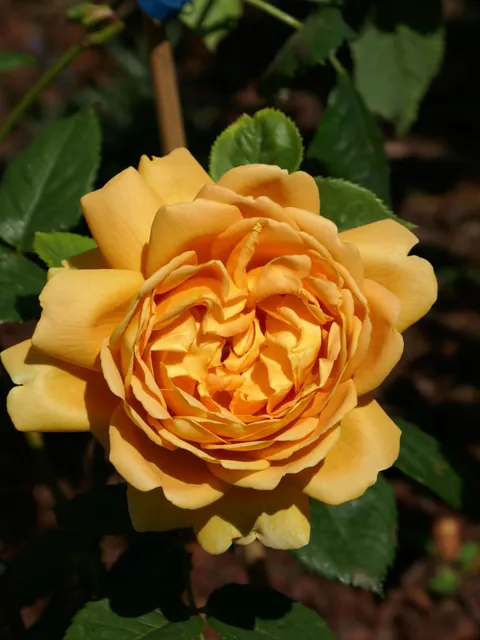
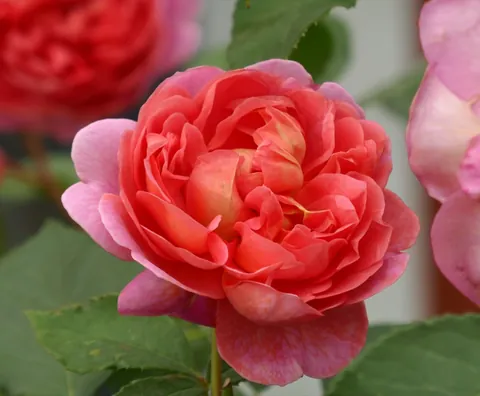
A multi-faceted play of colour within a single flower: warm pink / salmon-coral with a golden-yellow reverse to the petals; as the flower fades the pink deepens and the gold fades.
Fullness
Very full, ~41 petals
Flower carriage
In small clusters of several flowers on each stem
Flowering
Repeat-flowering, profuse
Fragrance
Strong, fresh fruity: lemon + raspberry — one of the most 'fruity-scented' English roses by David Austin
Hips
Not documented
Habit
Domed, well branched, with arching stems — typical of an Austin English Shrub
Branching
Excellent, from the base
Shoots
Strong, arching, naturally bending towards the ground under the weight of the large flowers
Thorns
Moderate number — typical of English Shrubs Austin.
Dimensions
110–120 × 120 cm; in warm climates up to 150 cm
Support
No support needed
Foliage
Dark green, leathery, healthy
Resistance
4/5 — good, typical of the later David Austin Sr. varieties.
Variations of the variety
Code AUShunter; US PP 14,769; parentage Golden Celebration × unknown seedling — a daughter of the famous founding parent of the line

Colour scheme

Warm pink / salmon-coral with a golden-yellow reverse to the petals; as the flower fades the pink deepens and the gold fades. A multi-faceted play of colour within a single flower.

Rose neighbours

Perennials to plant nearby

Neighbouring roses

Classic Austin English Shrubs — the 'Celebration' family circle:

Companion perennials

Classic English cottage-garden group:

lavender 'Hidcote'catmintsoft lady's mantleevening primrose

Availability worldwide

One of the most popular pink Austins of the early 2000s:

  • 🇬🇧 UK: very high · David Austin Roses
  • 🇺🇸 USA: high · David Austin US
  • 🇪🇺 Europe: high · David Austin EU
  • 🇺🇦 Ukraine: moderate · through European nurseries

More about the variety

Hips
Not documented
Variations of the variety
Code AUShunter; US PP 14,769; parentage Golden Celebration × unknown seedling — a daughter of the famous founding parent of the line

How to grow

Where to plant. Classic English flower beds, mixed borders with lavender and catmint, formal borders; ideal as a duo with Golden Celebration (its parent) — the 'gold and pink pearl' of the same Austin line.

Climate. To −23 °C — in Ukraine in zones 5b–6 with light winter protection; in southern regions without protection.

Care. Classic English Shrub — spring pruning by a third of its height; removing spent blooms encourages new flushes; seasonal disease prevention.

About the name

Name. The rose is named for the Golden Jubilee of Queen Elizabeth II (2002) — 50 years on the throne (1952–2002). The variety was officially presented at Chelsea during the jubilee celebrations. Do not confuse it with later jubilees: the Diamond Jubilee of 2012 (60 years) and the Platinum Jubilee of 2022 (70 years) had other roses dedicated to them.

Breeding. Bred by David C. H. Austin Sr. (1926–2018) at David Austin Roses (Albrighton, England); bred in 1993, on the market in 2002. Code AUShunter. US Plant Patent PP 14,769. Parentage: Golden Celebration (AUSgold, 1992) × unknown seedling — a daughter of the famous founding parent, which gave her the characteristic fruity scent and the warm pink tones with a golden reverse.

Significance. One of the most popular and most 'fruity-scented' David Austin varieties of the early 2000s; often recommended as an 'easy-care' pink English rose. The combination of warm pink with a lemon-raspberry scent is rare among Austins. Do not confuse it with 'Queen of Sweden' (Austin AUStiger — also pink) or 'Golden Celebration' (the parent, yellow). It has not received any major international awards (AARS/ADR/RHS AGM), unlike Golden Celebration, which holds an AGM. The breeder is David C. H. Austin Sr., NOT the younger Austin-junior.

Frequently asked questions about Jubilee Celebration

Does Jubilee Celebration need winter protection?

The cultivar’s reference temperature is −23 °C (USDA zone 5–6b). Overwintering depends on the conditions. In Ukraine, with light winter protection.

How many times a season does Jubilee Celebration flower?

Repeat-flowering, profuse.

How big does Jubilee Celebration grow?

110–120 cm tall, about 120 cm wide.

Which diseases affect Jubilee Celebration?

Overall resistance: 4 out of 5. High; good resistance to black spot and powdery mildew.

How much sun does Jubilee Celebration need?

Sun+; full sun; tolerates light shade.

What does Jubilee Celebration smell like?

Strong, fresh fruity: lemon + raspberry — one of the most 'fruity-scented' English roses by David Austin.

Gardeners' photos and reviews

My climate

Choose a reference temperature to compare with the cultivar’s data. This is not an overwintering forecast or advice on winter protection; consider wind, moisture and the duration of frost.

Regional data are generalised. USDA describes average annual extreme minima, not a forecast; the values in the list are rounded. Check the conditions at your site. More information: Roses in Ukraine's climate.