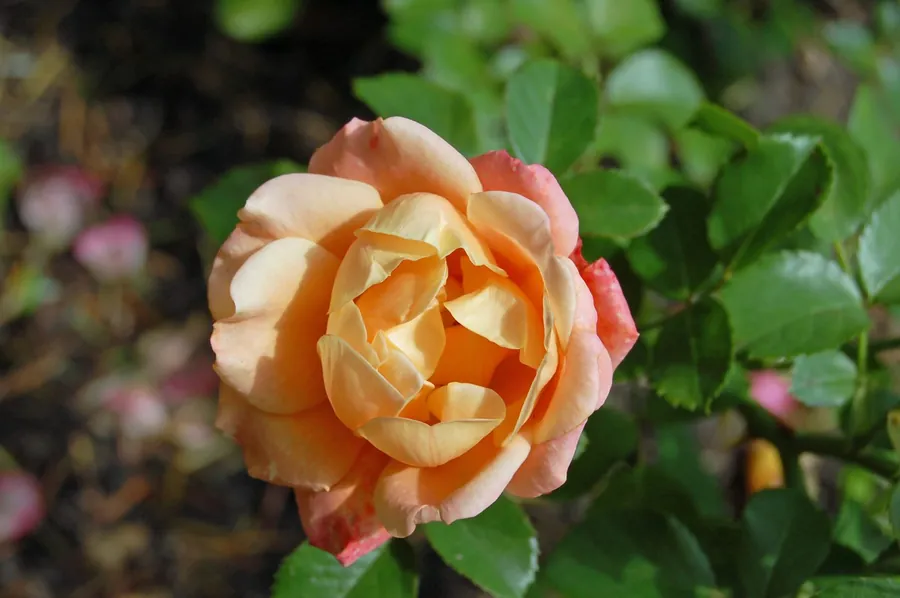

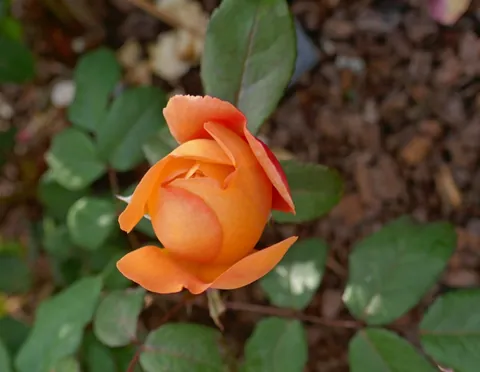


Cubana, close-up of the flower
Back to catalogue
Groundcover; KordesApricot and orange

Cubana

A warm copper-apricot tone, rare among groundcover roses, that gently fades into pink-cream.

Synonyms: Cubana · 'Kubana'

Variety profile

Flowering

Repeat flowering

Exceptionally profuse, almost continuous until late autumn. Months are approximate, for the climate of Ukraine.

Winter hardiness

−20 °C

To −20 °C; overwinters under light protection.

Compare reference temperatures

Plant size

50–70 cm
person 170 cm50–70 cm
Habit
Low, spreading, branches well, widens over time
Dimensions
About 50–70 cm tall and roughly as wide
Support
Not needed

Flower

5–6 cm
Flower shape
Semi-double, with wavy petal edges; opens from round reddish-pink buds
Flower size
5–6 cm
Clusters
Up to 10 flowers per cluster

Fragrance

Very light

Very light, almost imperceptible.

Sun

Partial shade

In bright sun the colour fades quickly — light shade is better.

Foliage

Dense, glossy, healthy.

All characteristics in a table
Group
Groundcover; Kordes
Flower shape
Semi-double, with wavy petal edges; opens from round reddish-pink buds
Colour
Copper-apricot with a pink tint – apricot-pink – creamy pink at the end of flowering
Flower size
5–6 cm
Clusters
Up to 10 flowers per cluster
Flowering
Exceptionally profuse, almost continuous until late autumn
Fragrance
Very light, almost imperceptible
Habit
Low, spreading, branches well, widens over time
Dimensions
About 50–70 cm tall and roughly as wide
Foliage
Dense, glossy, healthy
Resistance
Good winter hardiness; high disease resistance
Support
Not needed
Use
Borders, the front of flower beds, slopes, drifts, containers
Care
Undemanding; the colour shows best in light shade

Colour scheme

Copper-apricot with a pink tint – apricot-pink – creamy pink at the end of flowering

Rose neighbours

Perennials to plant nearby

More about the variety

Use
Borders, the front of flower beds, slopes, drifts, containers
Care
Undemanding; the colour shows best in light shade

How to grow

Where to plant. For borders, the front of flower beds, slopes, drifts and containers; striking both as single plants and in groups. Highlight: a warm copper-apricot tone, rare among groundcover varieties, that gently fades into pink-cream.

Care. Undemanding and tough; the best colour shows in light shade (it fades in scorching sun).

About the name

Name. Cubana; in Ukraine it is commonly known as 'Kubana'. Origin: bred by the W. Kordes' Söhne nursery (Germany) in 2001 — as a groundcover rose in a warm apricot colour range that this class had lacked until then. Photo: Wikimedia Commons; public domain (Rosarium Uetersen)

Frequently asked questions about Cubana

Does Cubana need winter protection?

The cultivar’s reference temperature is −20 °C. Overwintering depends on the conditions.

How many times a season does Cubana flower?

Exceptionally profuse, almost continuous until late autumn.

How big does Cubana grow?

50–70 cm tall.

How much sun does Cubana need?

Partial shade; in bright sun the colour fades quickly — light shade is better.

What does Cubana smell like?

Very light, almost imperceptible.

Gardeners' photos and reviews

My climate

Choose a reference temperature to compare with the cultivar’s data. This is not an overwintering forecast or advice on winter protection; consider wind, moisture and the duration of frost.

Regional data are generalised. USDA describes average annual extreme minima, not a forecast; the values in the list are rounded. Check the conditions at your site. More information: Roses in Ukraine's climate.