




Let's Celebrate, close-up of the flower
Photo: Ashwood Nurseries (ashwoodnurseries.com)
Back to catalogue
Floribunda; cluster-flowered; stripedGareth Fryer; Fryer's Roses, 2011Bicolour

Let's Celebrate

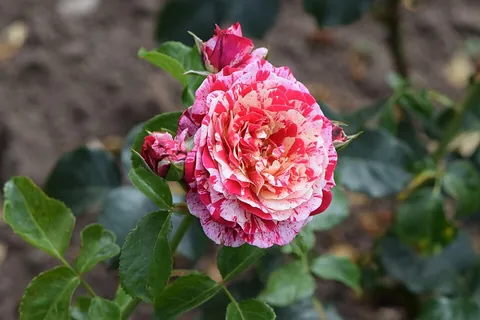
A festive «striped» floribunda: silvery-white with purple-lilac stripes; the pattern varies and no two flowers are alike; Gold Standard 2011; named for the 50th anniversary of the NAFAS flower arrangers' association.

Gold Standard 2011

Variety profile

Flowering

Repeat, in flushes

Repeat-flowering, in waves from summer to autumn; long-lasting. Months are approximate, for the climate of Ukraine.

Awards

Gold Standard

2011 · + RHS AGM

Winter hardiness

−15 °C

RHS H5 (~−15 °C); in colder zones with protection. RHS H5 (~−15 °C) · in cold zones with winter protection.

Compare reference temperatures

Plant size

90 × 80 cm
person 170 cm90 cm
Habit
Compact, even, dense, upright bush
Dimensions
About 90 cm tall × about 80 cm wide; compact, for beds, borders, containers
Support
Not required; a self-supporting bush
Shoots
Sturdy, holding large clusters of flowers
Branching
Dense, even habit

Flower

17–25 petals
Bud shape
Round, already striped at bud stage
Open flower
Cupped, ruffled (wavy), with a variable striped pattern
Centre
Open, with stamens visible when fully open
Fullness
Semi-double to double, 17–25 petals
Flower carriage
In large clusters (trusses)

Fragrance

Moderate

Moderate (moderate / fragrant according to RHS).

Disease resistance

4 out of 5

Healthy variety with stable glossy foliage (~4/5).

Sun

Full sun is essential

Thorns

Moderate
thornlessfewmoderatemanyvery many

No exact data; probably a moderate number (typical for floribunda).

Foliage

Glossy, medium to dark green, healthy, densely covering the bush.

Other names

Palatina, Schöne Pfälzerin
All characteristics in a table
Group
Floribunda; cluster-flowered; striped
Breeder
Gareth Fryer; Fryer's Roses, United Kingdom, 2011
Bud shape
Round, already striped at bud stage
Open flower
Cupped, ruffled (wavy), with a variable striped pattern
Centre
Open, with stamens visible when fully open
Colour
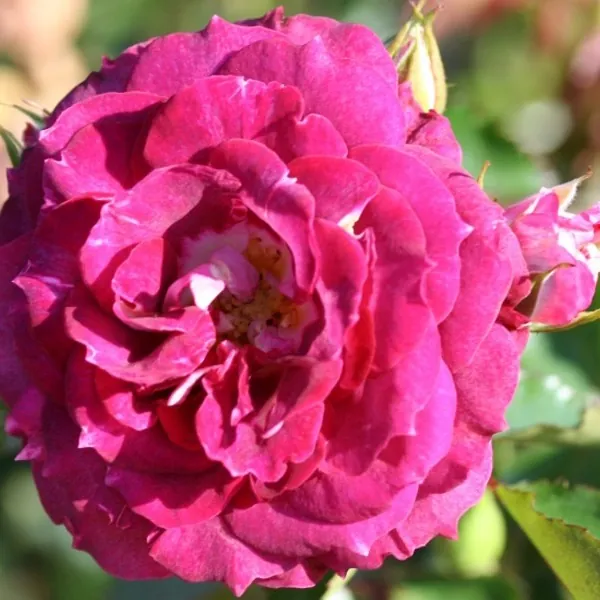
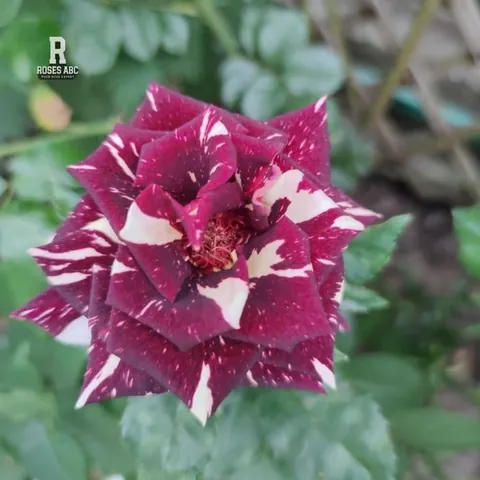
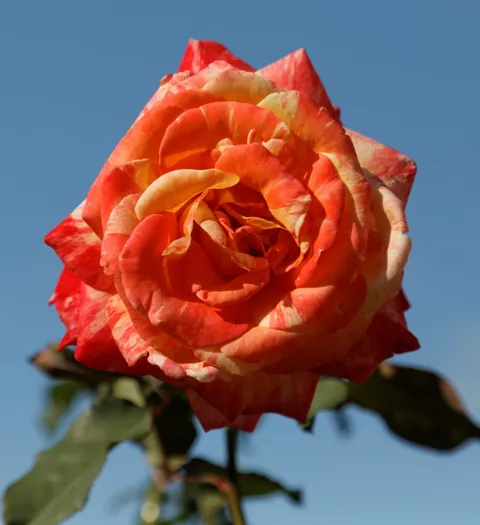
Silvery-white base with purple-lilac (mauve) stripes, streaks and flecks; silvery-white reverse. The pattern varies, and no two flowers are alike
Fullness
Semi-double to double, 17–25 petals
Flower carriage
In large clusters (trusses)
Flowering
Repeat-flowering, in waves from summer to autumn; long-lasting
Fragrance
Moderate (moderate / fragrant according to RHS)
Hips
Not documented
Habit
Compact, even, dense, upright bush
Branching
Dense, even habit
Shoots
Sturdy, holding large clusters of flowers
Thorns
No exact data; probably a moderate number (typical for floribunda).
Dimensions
About 90 cm tall × about 80 cm wide; compact, for beds, borders, containers
Support
Not required; a self-supporting bush
Foliage
Glossy, medium to dark green, healthy, densely covering the bush
Resistance
Healthy variety with stable glossy foliage (~4/5)
Variations of the variety
Code FRYraffles. German trade names: Palatina, Schöne Pfälzerin. Parentage not published

Colour scheme

Silvery-white base with purple-lilac (mauve) stripes, streaks and flecks; silvery-white reverse. The pattern varies, and no two flowers are alike

Rose neighbours

Perennials to plant nearby

Neighbouring roses

A group of striped and purple roses, 'calmed' by pure white:

Companion perennials

Lilac and blue perennials pick up the purple note of the stripes:

lavendercatmintwoodland sagelady's mantle

Tip for gardeners

⭐ Because of the changeable striped pattern:

  • 🌿 Plant in groups of 3 for a solid effect
  • ✂️ Excellent for cutting — no two flowers are alike
  • 🪴 bed · border · container
  • 🇺🇦 Ukraine: to order from nurseries

More about the variety

Hips
Not documented
Variations of the variety
Code FRYraffles. German trade names: Palatina, Schöne Pfälzerin. Parentage not published

How to grow

Where to plant. In a flower bed, border, container, and for cutting; because the striped pattern varies, plant in groups of 3 of the same variety for a uniform effect.

Climate. RHS H5 (~−15 °C), USDA zone 6; in colder parts of Ukraine it overwinters with the base protected.

Care. Full sun is essential; fertile, humus-rich, moist but well-drained soil; spring pruning and feeding support the repeat flushes; removing spent flower heads prolongs flowering.

About the name

Name. «Let's Celebrate». The variety was named specifically for the north-western region of NAFAS (National Association of Flower Arrangement Societies) to mark their golden jubilee (50 years) in 2011.

Breeding. Raised by Gareth Fryer at Fryer's Roses (Nantwich, Cheshire, UK), introduced 2011, code FRYraffles. Fryer's is a family-run English nursery founded in the nineteenth century, representing the classic English school of floribunda and hybrid tea breeding. Awards: Gold Standard Award 2011 (Roses UK) and the RHS Award of Garden Merit. A striking «striped» floribunda in which no two flowers are alike: the silvery-white petals are painted differently each time with purple-lilac stripes. Loved by florists for its unique pattern and long flowering.

Frequently asked questions about Let's Celebrate

Does Let's Celebrate need winter protection?

The cultivar’s reference temperature is −15 °C. Overwintering depends on the conditions. RHS H5 (~−15 °C); in colder zones with protection.

How many times a season does Let's Celebrate flower?

Repeat-flowering, in waves from summer to autumn; long-lasting.

How big does Let's Celebrate grow?

About 90 cm tall, about 80 cm wide.

Which diseases affect Let's Celebrate?

Overall resistance: 4 out of 5. Healthy, glossy dark green foliage.

How much sun does Let's Celebrate need?

Sun; full sun is essential.

What does Let's Celebrate smell like?

Moderate (moderate / fragrant according to RHS).

Gardeners' photos and reviews

My climate

Choose a reference temperature to compare with the cultivar’s data. This is not an overwintering forecast or advice on winter protection; consider wind, moisture and the duration of frost.

Regional data are generalised. USDA describes average annual extreme minima, not a forecast; the values in the list are rounded. Check the conditions at your site. More information: Roses in Ukraine's climate.