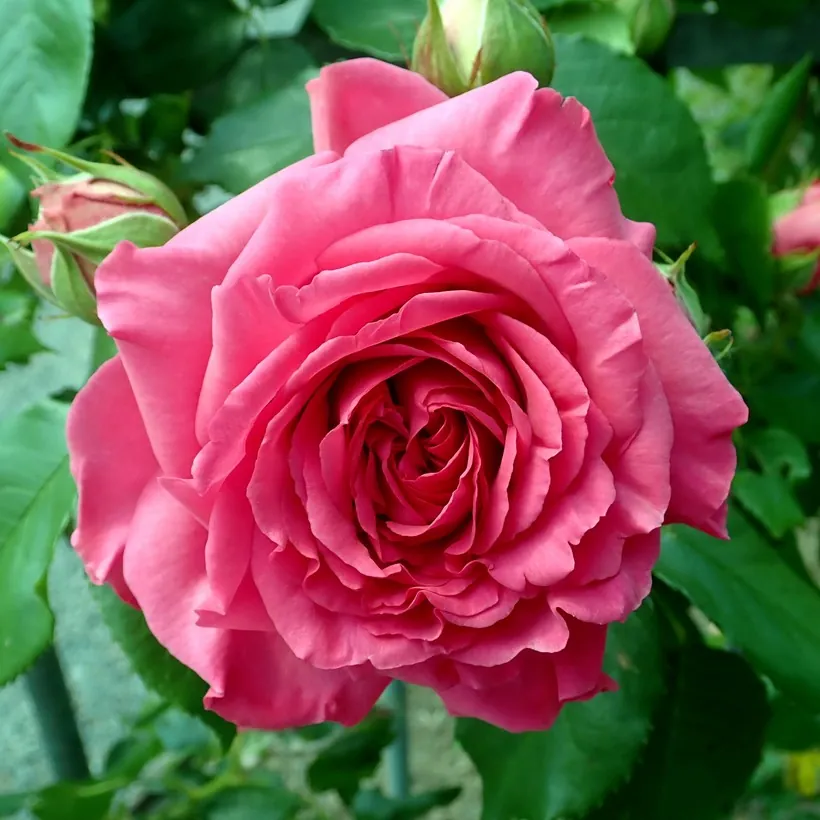
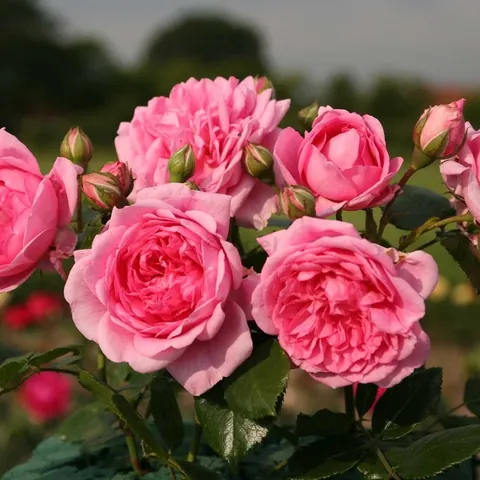
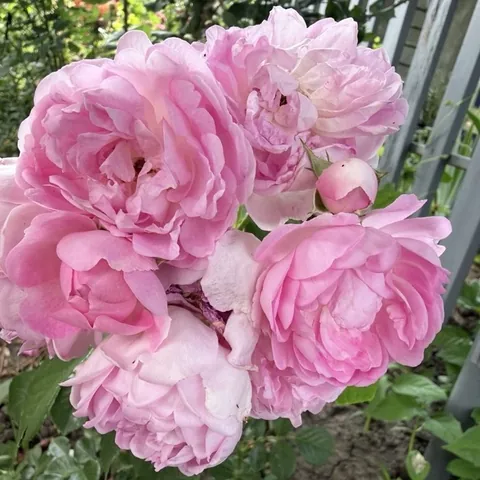
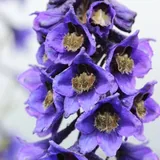
Maritim, close-up of the flower
Back to catalogue
Large-Flowered ClimberTantau, 2007Pink

Maritim

Deep pink climber with very healthy foliage.

Deep pink

Variety profile

Flowering

Repeat, in flushes

Repeat-flowering in flushes, June–October. Months are approximate, for the climate of Ukraine.

Feature

Health

Very healthy glossy foliage, excellent rain tolerance

Winter hardiness

−20 °C

USDA zone 6b. To ≈ −20 °C; in colder zones — winter cover.

Compare reference temperatures

Plant size

200–300 × 50–90 cm
person 170 cm200–300 cm
Habit
Very vigorous, upright, with twining growth
Dimensions
200–300 cm tall × about 50–90 cm wide
Support
Required: arches, fences, pergolas, walls
Shoots
Long, flexible
Branching
Good

Flower

10–12 cm
Bud shape
Round, pink
Open flower
Fully double, first globular-cupped, then a flat rosette / 'shell'; 10–12 cm
Centre
Dense, rosette-like
Fullness
Double, 26–40 petals
Flower carriage
Singly and in small clusters
Flower durability
A large, showy flower on a healthy bush

Fragrance

Weak

Weak or almost absent.

Disease resistance

5 out of 5
Rustresistant

Very good against disease; excellent rain tolerance.

Sun

Full sun

Repeat flowering June–October.

Thorns

Moderate
thornlessfewmoderatemanyvery many

Details on thorns are incomplete.

Foliage

Medium green, glossy, healthy.

Other names

Breeder's code TANmitiram.

All characteristics in a table
Group
Large-Flowered Climber
Breeder
Tantau, 2007
Bud shape
Round, pink
Open flower
Fully double, first globular-cupped, then a flat rosette / 'shell'; 10–12 cm
Centre
Dense, rosette-like
Colour
Rich bright pink, with a cool purplish tone
Fullness
Double, 26–40 petals
Flower carriage
Singly and in small clusters
Flowering
Repeat-flowering in flushes, June–October
Fragrance
Weak or almost absent
Flower durability
A large, showy flower on a healthy bush
Habit
Very vigorous, upright, with twining growth
Branching
Good
Shoots
Long, flexible
Thorns
Details on thorns are incomplete.
Dimensions
200–300 cm tall × about 50–90 cm wide
Support
Required: arches, fences, pergolas, walls
Foliage
Medium green, glossy, healthy
Resistance
Very good against disease; excellent rain tolerance
Use
Arches, fences, pergolas, walls

Colour scheme

Rich bright pink, with a cool purplish tone

Rose neighbours

Perennials to plant nearby

Neighbouring roses

Pink climbers keep a single rich palette around Maritim.

Companion perennials

Blue clematis and perennials give contrast to the bright pink:

clematisdelphiniumcatmintlavender

Contrasting accents

For contrast beside the pink, blue accents:

blue clematisdelphiniumsilvery foliage

More about the variety

Use
Arches, fences, pergolas, walls

How to grow

Where to plant. Arches, fences, pergolas, walls — a healthy bright pink climber that does not mind rain.

Climate. Hardy to about zone 6 (to ≈ −20 °C); in the colder regions of Ukraine — cover (take the canes off the support).

Care. Very healthy and undemanding; tie in and bend the canes for abundant flowering along their whole length.

About the name

Name. 'Maritim' — a sea theme; sold under the Maritim® trademark.

Breeding. Hans Jürgen Evers for Rosen Tantau (Germany), code TANmitiram; bred in 2001, introduced in 2007. This is Tantau (not Kordes).

Significance. Prized for its exceptional leaf health and rich, clean pink colour — a reliable climber for a fence or an arch.

Frequently asked questions about Maritim

Does Maritim need winter protection?

The cultivar’s reference temperature is −20 °C (USDA zone 6b). Overwintering depends on the conditions. To ≈ −20 °C; in colder zones — winter cover.

How many times a season does Maritim flower?

Repeat-flowering in flushes, June–October.

How big does Maritim grow?

200–300 cm tall, 50–90 cm wide.

Which diseases affect Maritim?

Overall resistance: 5 out of 5. Very good (mildew, rust, botrytis, black spot).

How much sun does Maritim need?

Sun; full sun; repeat flowering June–October.

What does Maritim smell like?

Weak or almost absent.

Gardeners' photos and reviews

My climate

Choose a reference temperature to compare with the cultivar’s data. This is not an overwintering forecast or advice on winter protection; consider wind, moisture and the duration of frost.

Regional data are generalised. USDA describes average annual extreme minima, not a forecast; the values in the list are rounded. Check the conditions at your site. More information: Roses in Ukraine's climate.