


Back to catalogue
Hybrid Tea / Floribunda; garden bushGareth Fryer; Fryer's Roses, 2014Pink

Mokarosa

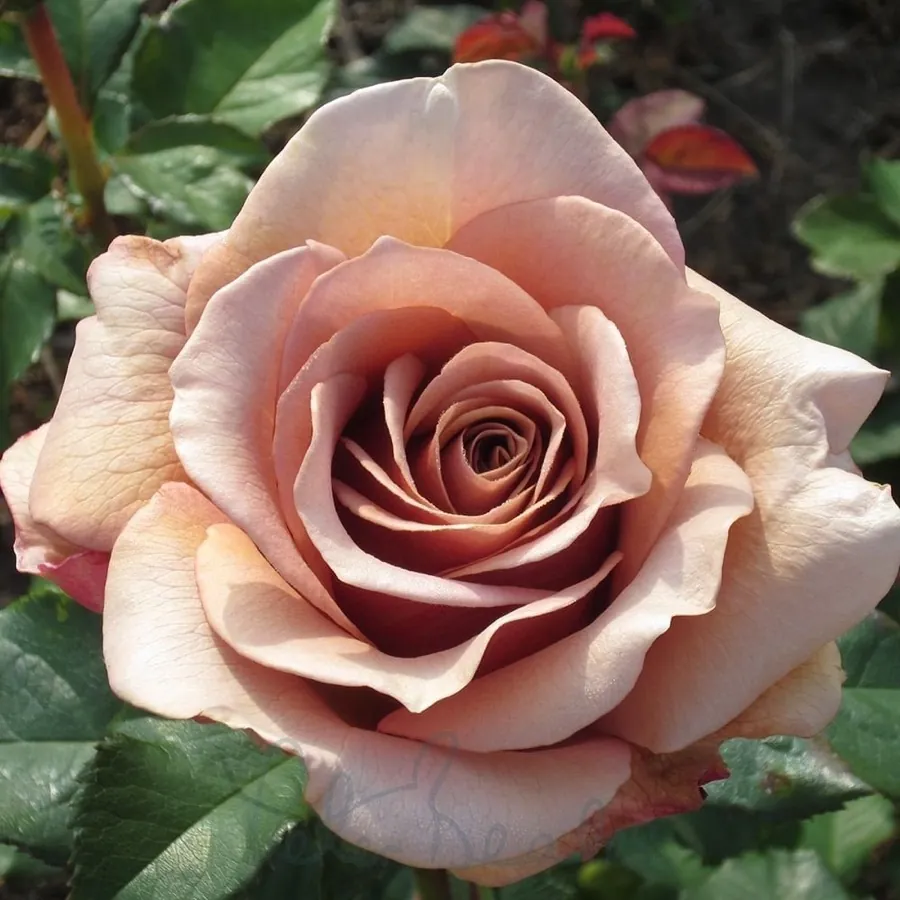
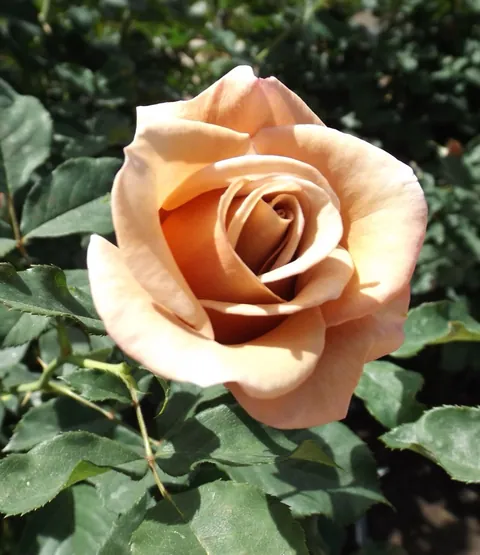
A coffee-pink 'vintage' variety with an unusual palette of mocha and a lilac-beige shimmer; a niche 'brown/vintage roses' variety; 🇬🇧 introduced by Fryer's in 2014, in the UK as 'Mocha Rosa' through Peter Beales ~2018; no official awards (no AARS / ADR / RHS AGM given).

'vintage / brown roses' niche · Fryer's Roses (UK)

Variety profile

Flowering

Repeat, in flushes

Repeat-flowering from June to November, with a strong first flush. Months are approximate, for the climate of Ukraine.

Purpose

Vintage garden

'brown roses' niche · English style · cottage

Winter hardiness

−20 °C

USDA zone 6. RHS H5; with light winter protection in central and eastern Ukraine. RHS H5 · with light cover in Central / Eastern Ukraine.

Compare reference temperatures

Plant size

75–80 × 60–90 cm
person 170 cm75–80 cm
Habit
Upright, compact, bushy
Dimensions
75–80 cm × 60–90 cm; medium-sized for borders
Support
Needs none; a self-supporting bush
Shoots
Medium firm, dark green
Branching
Well branched; a typical Floribunda-type form

Flower

≈ 9 cm

17–25 petals.

Bud shape
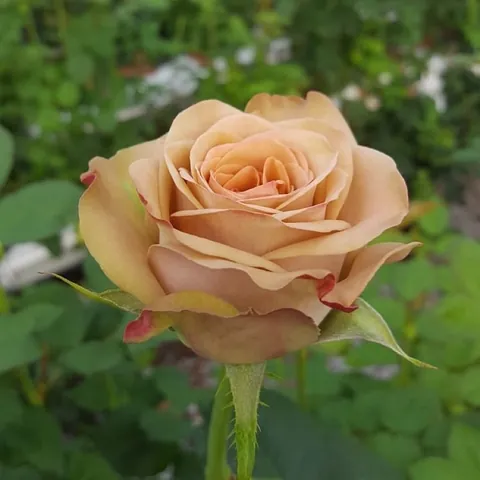
Rounded, coffee-beige with pink-lilac overtones
Open flower
Cupped semi-double (semi-double / loose cupped): typical of Fryer's 'vintage' roses; opens to a flat form with a noticeable centre
Centre
Distinct yellow-cream stamens on the open flower
Fullness
17–25 petals (semi-double)
Flower carriage
In clusters of 3–7 flowers; a Floribunda-like branching

Fragrance

Light; fruity

Light fruity: Peter Beales: 'little or no fragrance'; Style Roses: 'mild, fruity'.

Disease resistance

3 out of 5
Black spotmoderate

Moderate, 3/5. Needs a sunny spot, good airflow and blackspot prevention.

Sun

Full sun

The colour is brighter in cool weather.

Thorns

Moderate
thornlessfewmoderatemanyvery many

Moderate number of thorns, standard for Hybrid Tea / Floribunda Fryer.

Foliage

Dark glossy green, a good contrast to the pastel flowers.

All characteristics in a table
Group
Hybrid Tea / Floribunda; garden bush
Breeder
Gareth Fryer; Fryer's Roses, United Kingdom, 2014
Bud shape
Rounded, coffee-beige with pink-lilac overtones
Open flower
Cupped semi-double (semi-double / loose cupped): typical of Fryer's 'vintage' roses; opens to a flat form with a noticeable centre
Centre
Distinct yellow-cream stamens on the open flower
Colour
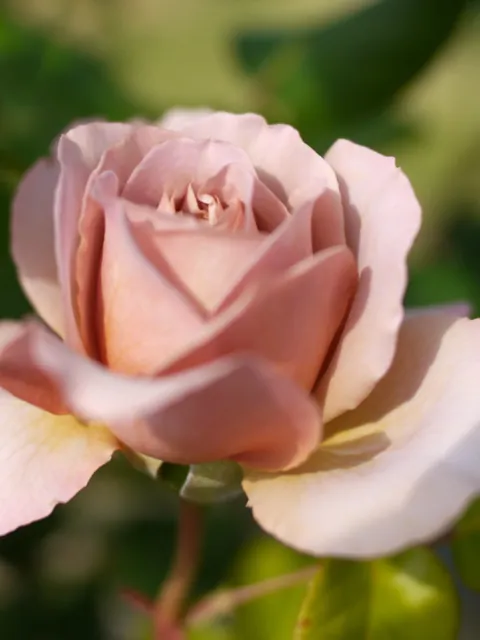
A unique 'vintage' palette: mocha + pink + lilac-beige (fawn, pink, lilac and coffee tones per Style Roses). Flowers fade as they age: a young flower is coffee-pink, and with age it turns lilac-grey 'pewter'.
Fullness
17–25 petals (semi-double)
Flower carriage
In clusters of 3–7 flowers; a Floribunda-like branching
Flowering
Repeat-flowering from June to November, with a strong first flush
Fragrance
Light fruity: Peter Beales: 'little or no fragrance'; Style Roses: 'mild, fruity'
Hips
Not documented; usually cut back after flowering to encourage repeat blooms
Habit
Upright, compact, bushy
Branching
Well branched; a typical Floribunda-type form
Shoots
Medium firm, dark green
Thorns
Moderate number of thorns, standard for Hybrid Tea / Floribunda Fryer.
Dimensions
75–80 cm × 60–90 cm; medium-sized for borders
Support
Needs none; a self-supporting bush
Foliage
Dark glossy green, a good contrast to the pastel flowers
Resistance
Moderate, 3/5. Needs a sunny spot, good airflow and blackspot prevention.
Variations of the variety
Code FRYwitty; introduced by Fryer in 2014; in the UK as 'Mocha Rosa' through Peter Beales, ~2018; in France as 'Mokarosa' through Pépinières de la Saulaie. Cut-flower rebrand by Brown Breeding (Ecuador): a 100–120 cm greenhouse version for florists, about 32 petals.

Colour scheme

A unique 'vintage' palette: mocha + pink + lilac-beige (fawn, pink, lilac and coffee tones per Style Roses). Flowers fade as they age: a young flower is coffee-pink, and with age it turns lilac-grey 'pewter'.

Rose neighbours

Perennials to plant nearby

Neighbouring roses

The 'vintage / brown roses' family — a niche trend of the last 15 years:

Companion perennials

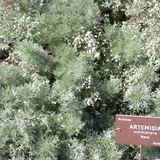
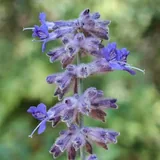
Lavender-silver perennials highlight the coffee-lilac 'pewter' fade:

lavenderartemisiasedumperovskia

Availability worldwide

A niche 'vintage' variety — mainly in the UK and France:

  • 🇬🇧 UK: high · Peter Beales, Style Roses
  • 🇫🇷 France: high · Pépinières de la Saulaie
  • 🇪🇨 Ecuador: moderate · Brown Breeding as a cut-flower rose
  • 🇺🇦 Ukraine: rare · via importers from the UK

More about the variety

Hips
Not documented; usually cut back after flowering to encourage repeat blooms
Variations of the variety
Code FRYwitty; introduced by Fryer in 2014; in the UK as 'Mocha Rosa' through Peter Beales, ~2018; in France as 'Mokarosa' through Pépinières de la Saulaie. Cut-flower rebrand by Brown Breeding (Ecuador): a 100–120 cm greenhouse version for florists, about 32 petals.

How to grow

Where to plant. In an English cottage garden, in borders with lavender and artemisia, or at the front of mixed flower beds in a pastel-grey palette. A lovely accent in a 'vintage' corner of the garden among silver foliage.

Climate. In central and eastern Ukraine, with light winter protection (USDA 6, RHS H5); in the milder western climate, without protection. The colour is brighter in cool spring and autumn weather.

Care. Full sun with morning light, in a well-ventilated spot; blackspot prevention; feeding with slow-release fertiliser; prune by about ⅓ in spring to stimulate flowering.

About the name

Name. 'Mokarosa' = 'Mocha' (coffee shade) + 'Rosa' (pink, or Latin for 'rose'). A marketing 'vintage' name that describes the variety's unique coffee-pink palette. Not a commemorative name; purely about colour. In the UK, through Peter Beales, it received the trade name 'Mocha Rosa' (~2018) for the English-speaking market.

Breeding. Bred by Gareth Fryer at Fryer's Roses (Knutsford, Great Britain), the fourth generation of British rose nurseries (founded 1912). Code FRYwitty. Introduced in 2014 through Pépinières de la Saulaie (France), and later in the UK through Peter Beales. Parentage not published. A separate cut-flower rebrand: Brown Breeding (Ecuador) licenses it under the same name 'Mokarosa' for florists, a 100–120 cm greenhouse version with about 32 petals.

Significance. The 'brown/vintage roses' niche, a trend of the last 15 years (Koko Loko 2009, Brown Sugar, Café Latte, Moccachino 2024). Mokarosa is one of the few British representatives of this palette; most brown varieties come from the Netherlands or the USA. The 'Pewter' fading (to lilac-grey) is a special trait, prized by florists for 'boho/vintage' bouquets. No official awards: AARS, ADR and RHS AGM were not given. It is an artistic niche variety, not an award-winning one.

Frequently asked questions about Mokarosa

Does Mokarosa need winter protection?

The cultivar’s reference temperature is −20 °C (USDA zone 6). Overwintering depends on the conditions. RHS H5; with light winter protection in central and eastern Ukraine.

How many times a season does Mokarosa flower?

Repeat-flowering from June to November, with a strong first flush.

How big does Mokarosa grow?

75–80 cm tall, 60–90 cm wide.

Which diseases affect Mokarosa?

Overall resistance: 3 out of 5. Moderate; needs good airflow and blackspot prevention.

How much sun does Mokarosa need?

Sun; full sun; the colour is brighter in cool weather.

What does Mokarosa smell like?

Light fruity: Peter Beales: 'little or no fragrance'; Style Roses: 'mild, fruity'.

Gardeners' photos and reviews

My climate

Choose a reference temperature to compare with the cultivar’s data. This is not an overwintering forecast or advice on winter protection; consider wind, moisture and the duration of frost.

Regional data are generalised. USDA describes average annual extreme minima, not a forecast; the values in the list are rounded. Check the conditions at your site. More information: Roses in Ukraine's climate.