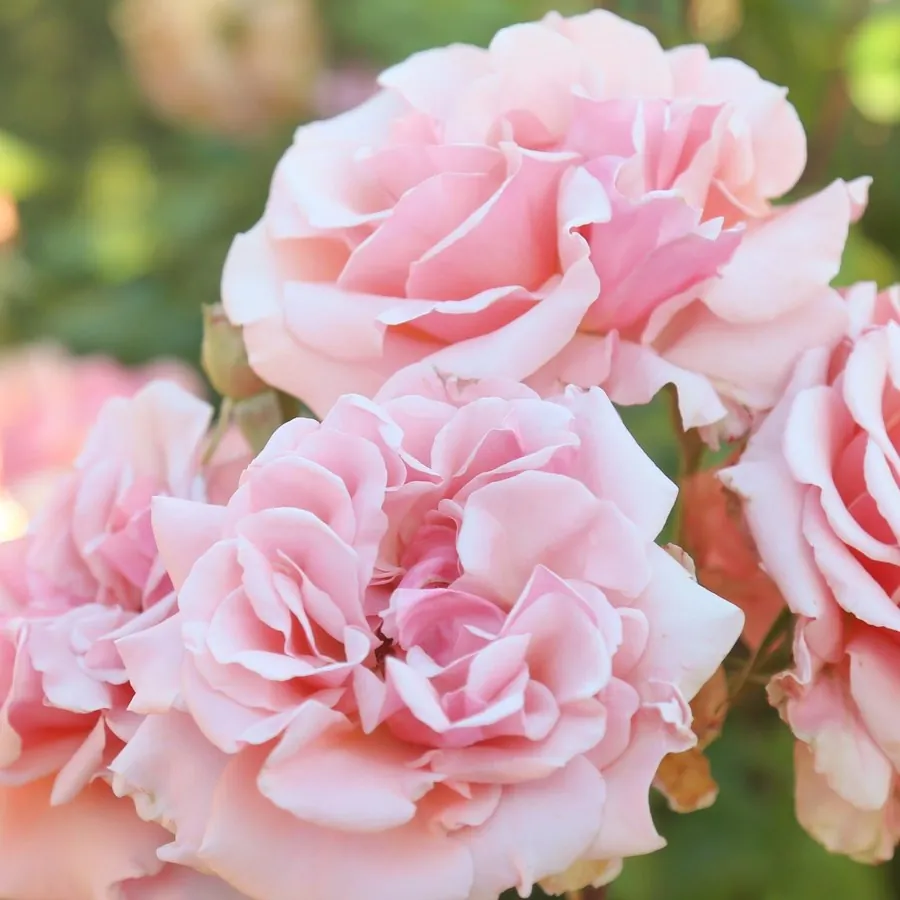
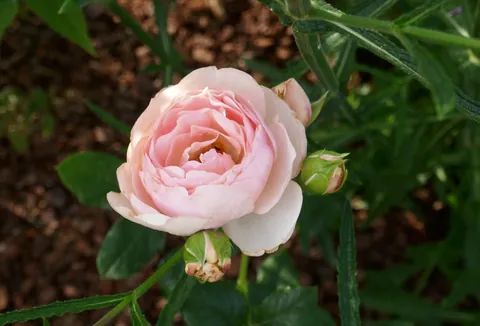
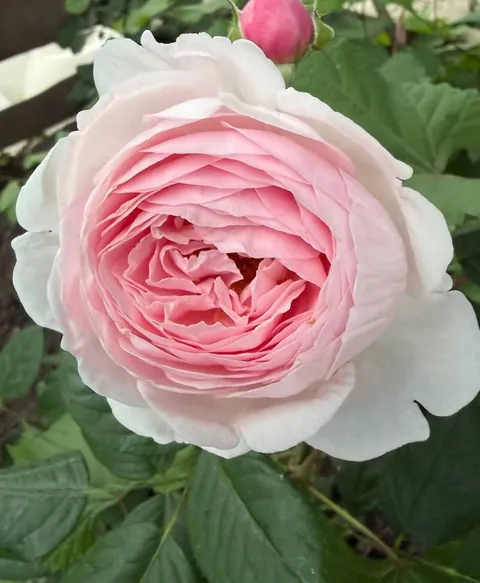
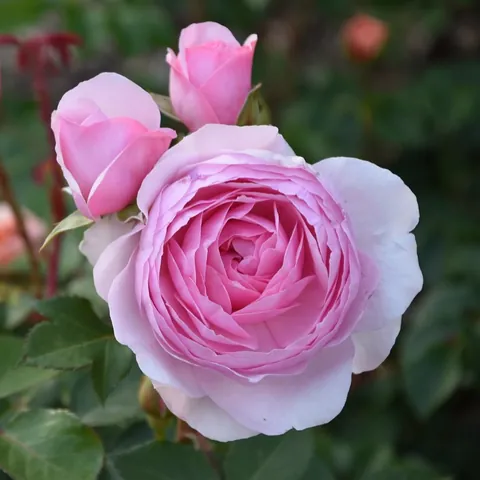
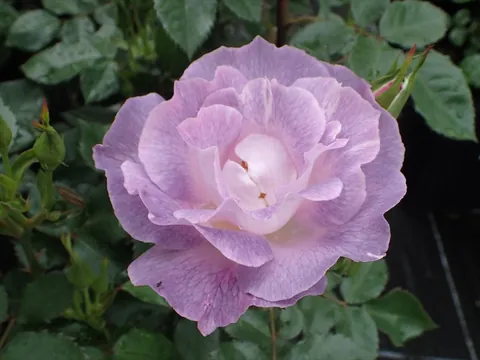




Mother of Pearl, close-up of the flower
Photo: Heirloom Roses (nursery)
Back to catalogue
GrandifloraAlain Meilland, 2006Pink

Mother of Pearl

Mother-of-pearl pink grandiflora with apricot shimmers; MEIludere; Meilland, 2006; Birds & Blooms 2014.

US market 2006–07, patent 2008

Variety profile

Flowering

Repeat-flowering, in waves through the season.

Awards

Birds & Blooms 2014

Best Shrub Rose

Plant size

110–130 × 80–90 cm
person 170 cm110–130 cm
Habit
Tall, upright, bushy.
Dimensions
110–130 × 80–90 cm.
Support
Needs none.
Shoots
No data
Branching
No data

Flower

10–11 cm
Bud shape
No data
Open flower
Cupped, with 26–40 petals, 10–11 cm across.
Fullness
Double, 26–40 (usually about 35) petals.
Flower carriage
1–4 flowers per stem.

Fragrance

Light, refreshing

Sun

Full sun

6+ hours a day.

Thorns

Moderate
thornlessfewmoderatemanyvery many

Thorns are present; there are no exact data on their density.

Foliage

Semi-glossy, medium green.

All characteristics in a table
Group
Grandiflora
Breeder
Alain Meilland, France, 2006
Bud shape
No data
Open flower
Cupped, with 26–40 petals, 10–11 cm across.
Colour
Pearly pink with a peach-apricot undertone; in cool weather the tint is pinker, and in heat it is more apricot.
Fullness
Double, 26–40 (usually about 35) petals.
Flower carriage
1–4 flowers per stem.
Flowering
Repeat-flowering, in waves through the season.
Fragrance
Light, refreshing.
Hips
No data
Habit
Tall, upright, bushy.
Branching
No data
Shoots
No data
Thorns
Thorns are present; there are no exact data on their density.
Dimensions
110–130 × 80–90 cm.
Support
Needs none.
Foliage
Semi-glossy, medium green.
Resistance
High resistance to blackspot.
Variations of the variety
Code MEIludere; parents (Paloma Blanca × Carefree Beauty) × (Anne de Bretagne × Pigalle); patent 2008.

Colour scheme

Pearly pink with a peach-apricot undertone; in cool weather the tint is pinker, and in heat it is more apricot.

Rose neighbours

Perennials to plant nearby

Neighbouring roses

Soft pink roses — one colour family:

Companion perennials

Blue, lilac and silver neighbours highlight the mother-of-pearl pink tone:

lavendercatmintstachysgypsophila

Variety features

A Grandiflora with a changeable, almost mother-of-pearl petal tone that responds to air temperature.

Grandifloramother-of-pearlchangeable toneMEIludere

More about the variety

Hips
No data
Variations of the variety
Code MEIludere; parents (Paloma Blanca × Carefree Beauty) × (Anne de Bretagne × Pigalle); patent 2008.

How to grow

Where to plant. In an open, sunny spot. Mother of Pearl needs full sun (6+ hours) for generous flowering. The tall, upright bush looks good in a group or at the back of a mixed border; it needs no support.

Climate. Hardiness zone USDA 6b–9. In Ukraine it is worth covering for winter.

Care. Standard care for grandifloras: regular watering, feeding during the season, and pruning to encourage new flushes of flowers. High resistance to blackspot makes care easier.

About the name

Name. 'Mother of Pearl' translates as 'mother-of-pearl'; the name refers to the tender pearly-pink tone of the petals.

Breeding. Created by Alain Meilland (Meilland International, France) around 2006, code MEIludere; parents (Paloma Blanca × Carefree Beauty) × (Anne de Bretagne × Pigalle).

Significance. An elegant pearly-pink grandiflora with apricot shimmers, abundant and healthy, named 'Best Shrub Rose' by Birds & Blooms in 2014.

Frequently asked questions about Mother of Pearl

How many times a season does Mother of Pearl flower?

Repeat-flowering, in waves through the season.

How big does Mother of Pearl grow?

110–130 cm tall, 80–90 cm wide.

How much sun does Mother of Pearl need?

Full sun; 6+ hours a day.

What does Mother of Pearl smell like?

Light, refreshing.

Gardeners' photos and reviews

My climate

Choose a reference temperature to compare with the cultivar’s data. This is not an overwintering forecast or advice on winter protection; consider wind, moisture and the duration of frost.

Regional data are generalised. USDA describes average annual extreme minima, not a forecast; the values in the list are rounded. Check the conditions at your site. More information: Roses in Ukraine's climate.