




Back to catalogue
Hybrid Tea; hybrid tea; pure redSam McGredy IV; McGredy Roses International, 1982Red

Olympiad

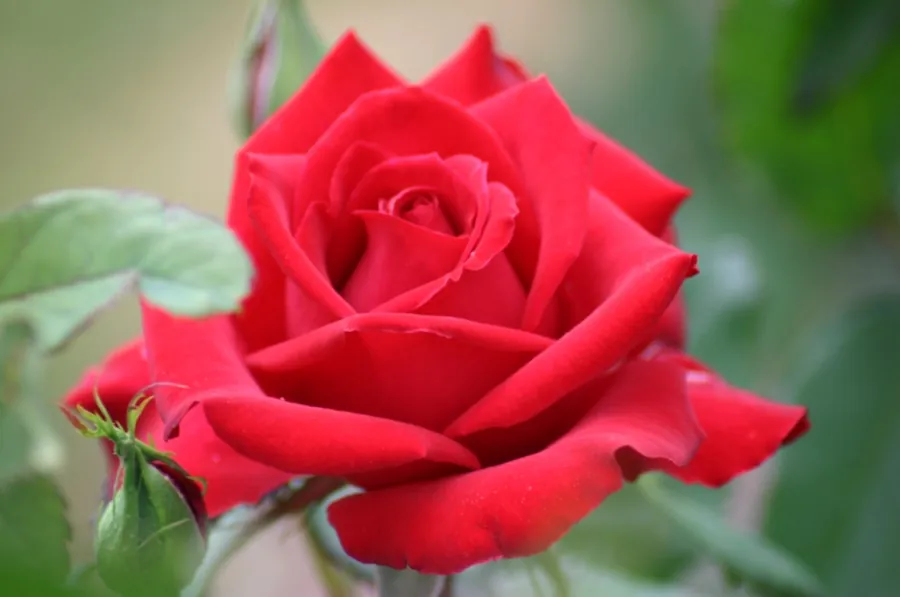
A clear brilliant red Hybrid Tea; the official rose of the 1984 Olympics in Los Angeles; AARS 1984 + Portland Gold Medal 1995; bred by Sam McGredy IV (New Zealand); one of the best-known red Hybrid Teas of the late twentieth century.

AARS 1984 · official rose of the 1984 Summer Olympic Games in Los Angeles

Variety profile

Flowering

Repeat, in flushes

Repeat flowering from June to October, with pronounced flushes. Months are approximate, for the climate of Ukraine.

Legacy

AARS 1984

Olympiad LA 1984 · Portland Gold Medal 1995

Winter hardiness

−26 °C

USDA zone 5b. All of Ukraine without winter cover.

Compare reference temperatures

Plant size

90–150 × 60–90 cm
person 170 cm90–150 cm
Habit
Upright, medium-tall Hybrid Tea
Dimensions
90–150 cm tall × 60–90 cm wide, medium-tall for borders
Support
Not needed; self-supporting
Shoots
Strong and straight, good for cutting long stems and for exhibitions
Branching
Well branched, with sturdy stems

Flower

10–12 cm
Bud shape
Elongated, pointed and elegant, deep red
Open flower
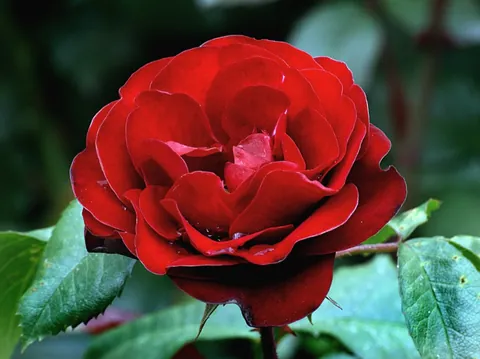
A reference Hybrid Tea form: classic high centre that opens slowly; a show-quality bloom for exhibitions
Centre
Tightly packed with a sharp centre
Fullness
32–37 petals, ideal for the Hybrid Tea form without overloading the bloom
Flower carriage
Mostly singly on long stems, typical Hybrid Tea, ideal for cutting and exhibitions

Fragrance

Light; tea

Light, with a tea note; a rarity for red Hybrid Teas with such awards.

Disease resistance

3 out of 5
Black spotsusceptiblePowdery mildewsusceptible

Moderate, 3/5: high resistance to powdery mildew, susceptible to black spot (typical of 1980s Hybrid Teas). Good heat tolerance.

Sun

Good heat tolerance

Colour does not fade.

Thorns

Moderate
thornlessfewmoderatemanyvery many

Average number of thorns, standard for the Hybrid Teas of the 1980s.

Foliage

Dark green and semi-glossy, a good background for the bright red.

All characteristics in a table
Group
Hybrid Tea; hybrid tea; pure red
Breeder
Sam McGredy IV; McGredy Roses International, New Zealand, 1982
Bud shape
Elongated, pointed and elegant, deep red
Open flower
A reference Hybrid Tea form: classic high centre that opens slowly; a show-quality bloom for exhibitions
Centre
Tightly packed with a sharp centre
Colour
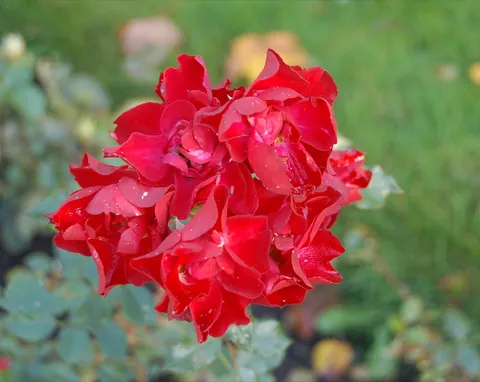
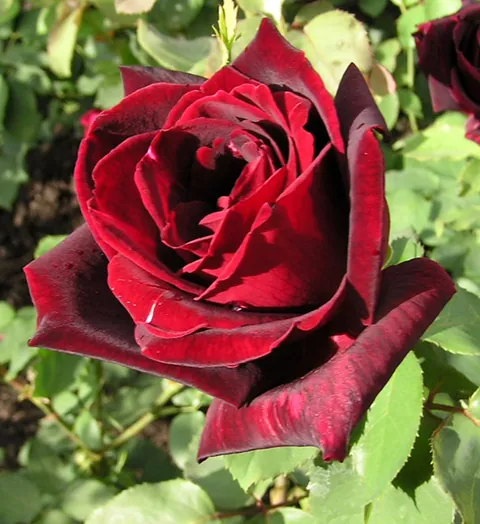
Clear brilliant red (pure red), does not darken or fade in the sun, which is rare for red Hybrid Teas. Colour stability is the variety's main strength
Fullness
32–37 petals, ideal for the Hybrid Tea form without overloading the bloom
Flower carriage
Mostly singly on long stems, typical Hybrid Tea, ideal for cutting and exhibitions
Flowering
Repeat flowering from June to October, with pronounced flushes
Fragrance
Light, with a tea note; a rarity for red Hybrid Teas with such awards
Hips
Not documented; cut for repeat flowering
Habit
Upright, medium-tall Hybrid Tea
Branching
Well branched, with sturdy stems
Shoots
Strong and straight, good for cutting long stems and for exhibitions
Thorns
Average number of thorns, standard for the Hybrid Teas of the 1980s.
Dimensions
90–150 cm tall × 60–90 cm wide, medium-tall for borders
Support
Not needed; self-supporting
Foliage
Dark green and semi-glossy, a good background for the bright red
Resistance
Moderate, 3/5: high resistance to powdery mildew, susceptible to black spot (typical of 1980s Hybrid Teas). Good heat tolerance
Variations of the variety
Code MACauck; hybridised 1972, introduced 1982. Parentage: 'Red Planet' × 'Pharaoh' (also 'Pharaon'). In the pedigree: Red Devil, Prima Ballerina, Karl Herbst, Soeur Thérèse. Armstrong Nurseries (California) introduced it in North America and gave 20 000 Olympiad bushes to parks and gardens in the USA before the 1984 Olympics

Colour scheme

Clear brilliant red (pure red) that does not darken or fade in the sun, which is rare for red Hybrid Teas. Colour stability is the variety's main strength

Rose neighbours

Perennials to plant nearby

Rose neighbours

A family of bright red HTs that creates a 'red collection':

Perennial companions

Neutral purple-silver perennials soften the bright red:

lavenderstachysgypsophilacatmint (Nepeta)

Availability worldwide

⭐ A global classic, available worldwide:

🇺🇸 USA: very high · Jackson & Perkins, Wayside🇪🇺 Europe: high · AARS legacy🇳🇿🇦🇺: high · McGredy's home base🇺🇦 Ukraine: high · via AARS partners

More about the variety

Hips
Not documented; cut for repeat flowering
Variations of the variety
Code MACauck; hybridised 1972, introduced 1982. Parentage: 'Red Planet' × 'Pharaoh' (also 'Pharaon'). In the pedigree: Red Devil, Prima Ballerina, Karl Herbst, Soeur Thérèse. Armstrong Nurseries (California) introduced it in North America and gave 20 000 Olympiad bushes to parks and gardens in the USA before the 1984 Olympics

How to grow

Where to plant. In classic Hybrid Tea borders in sunny spots; as an accent in pastel beds; as a cutting shrub for exhibitions (the 35-petal form is ideal for show quality); perfect for 'anniversary' corners of the garden, a tribute to the 1984 Olympics.

Climate. All of Ukraine without winter cover (USDA 5b, down to −26 °C); high heat tolerance, the colour does not fade in hot weather.

Care. Full sun, a well-ventilated site; prevent black spot (susceptible); feed 3 times per season; prune one third in spring; cut for home bouquets, long stems and long vase life.

About the name

Name. 'Olympiad', in honour of the 1984 Summer Olympic Games in Los Angeles. Chosen in a special competition by the Olympic Organizing Committee in 1983 as the official rose of the Olympics, because it combined a clear bright colour (close to the Olympic flag), stability in the sun (suited to summer Games in California) and an elegant classic Hybrid Tea form. In Europe it is also spelt 'Olympiade'.

Breeding. Bred by Sam McGredy IV (1932–2019), fourth generation of the well-known McGredy family from Northern Ireland that moved to New Zealand, at McGredy Roses International (Auckland, New Zealand). Code MACauck. Hybridised 1972, introduced 1982. Parentage: 'Red Planet' × 'Pharaoh' (also 'Pharaon'). Armstrong Nurseries (Ontario, California) introduced it in North America and gave 20 000 Olympiad bushes to parks and gardens across the USA ahead of the Olympics.

Significance. AARS 1984 (All-America Rose Selections), a prestigious American award. Portland Gold Medal 1995, one of the most important Western rose awards. Official rose of the 1984 Olympics, a unique historical distinction that made the variety a 'star' in public awareness. Colour stability in the sun is a rare trait among brilliant red Hybrid Teas (most of them fade). Sam McGredy IV's legacy: one of the most important rose breeders of the late twentieth century (also Trumpeter, Dublin Bay, Aotearoa, Sexy Rexy). Olympiad is his best-known Hybrid Tea.

Frequently asked questions about Olympiad

Does Olympiad need winter protection?

The cultivar’s reference temperature is −26 °C (USDA zone 5b). Overwintering depends on the conditions. All of Ukraine without winter cover.

How many times a season does Olympiad flower?

Repeat flowering from June to October, with pronounced flushes.

How big does Olympiad grow?

90–150 cm tall, 60–90 cm wide.

Which diseases affect Olympiad?

Overall resistance: 3 out of 5. High resistance to powdery mildew; susceptible to black spot.

How much sun does Olympiad need?

Sun; good heat tolerance; colour does not fade.

What does Olympiad smell like?

Light, with a tea note; a rarity for red Hybrid Teas with such awards.

Gardeners' photos and reviews

My climate

Choose a reference temperature to compare with the cultivar’s data. This is not an overwintering forecast or advice on winter protection; consider wind, moisture and the duration of frost.

Regional data are generalised. USDA describes average annual extreme minima, not a forecast; the values in the list are rounded. Check the conditions at your site. More information: Roses in Ukraine's climate.