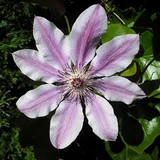
- Group
- Large-Flowered Climber
- Breeder
- Eugene Boerner; Jackson & Perkins, 1953
- Bud shape
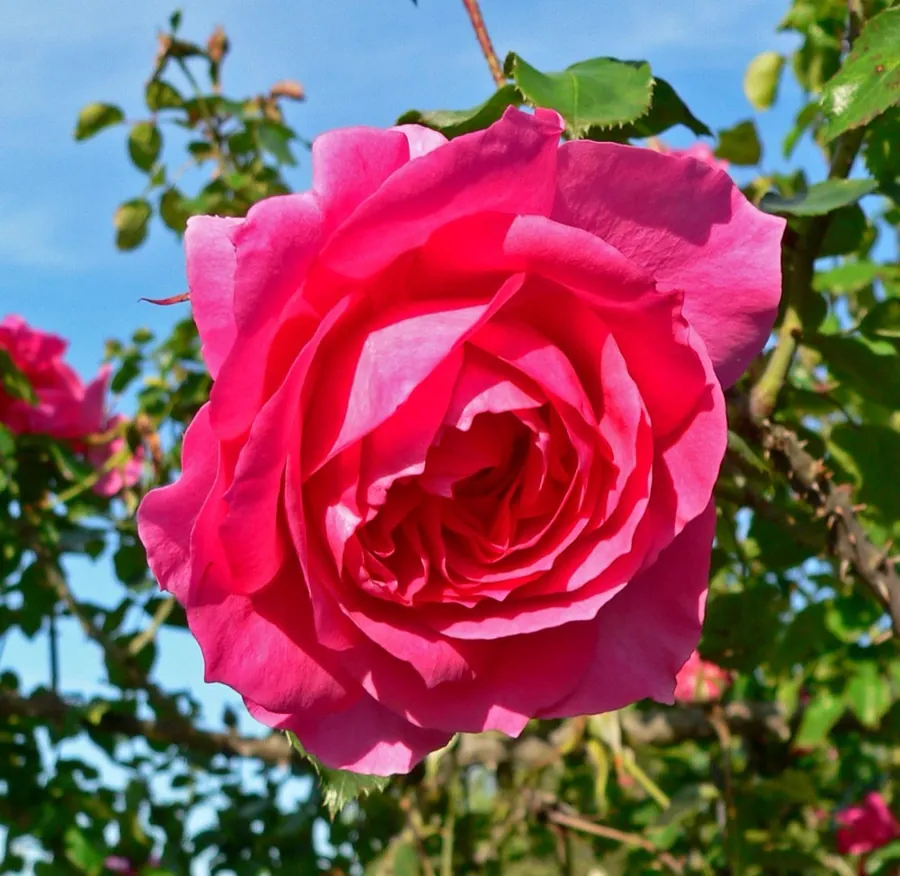
- Full, deep pink
- Open flower
- Large, cupped, double; 8–10 cm across
- Centre
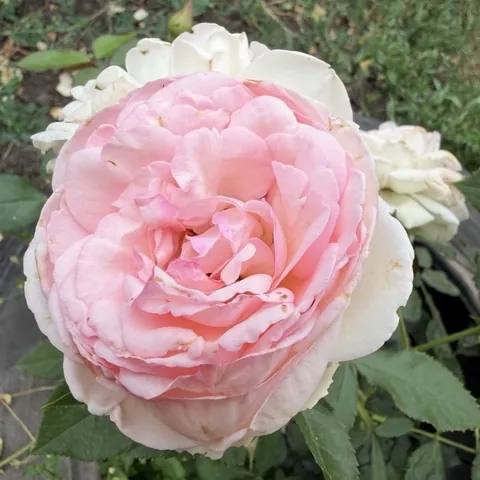
- Tightly packed, gradually opening with age
- Colour
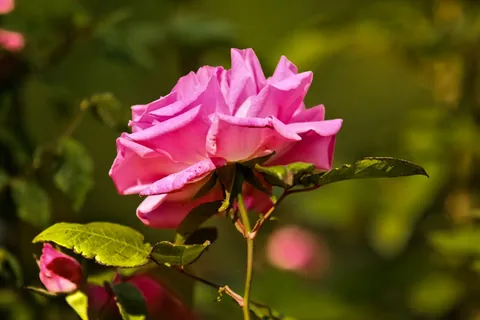
- Deep rose-carmine (cerise) with a lighter silvery reverse to the petals; the saturation fades slightly towards the end of flowering
- Fullness
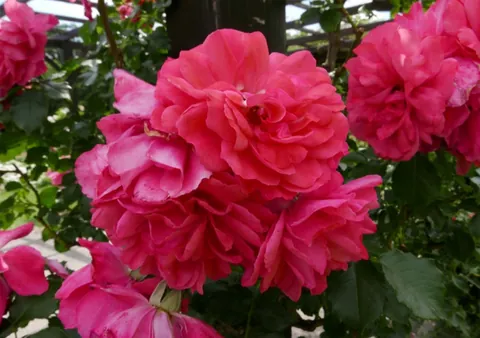
- Double, about 33 petals
- Flower carriage
- In large inflorescences (clusters)
- Flowering
- Repeat flowering in flushes through the season (roughly June–November)
- Fragrance
- Light, unobtrusive (according to registration data; some catalogues say 'strong')
- Hips
- Usually cut to encourage repeat flowering
- Habit
- A vigorous, branching climbing bush; a good 'pillar' rose
- Branching
- Good, dense
- Shoots
- Long (about 3.5 m), relatively flexible, easy to tie in
- Thorns
- According to Peter Beales (not precisely documented in the register).
- Dimensions
- 215–365 cm tall × up to 245 cm wide
- Support
- Needs support: a wall (including a north-facing one), fence, pillar, arch, pergola
- Foliage
- Glossy, dense, healthy, dark green
- Resistance
- Good: resistance to powdery mildew and black spot
- Variations of the variety
- Can also be trained as a large shrub; tolerates partial shade and a north wall, a great rarity among climbers