



Back to catalogue
Hybrid Tea; hybrid tea; historical classic1912Pink

Ophelia

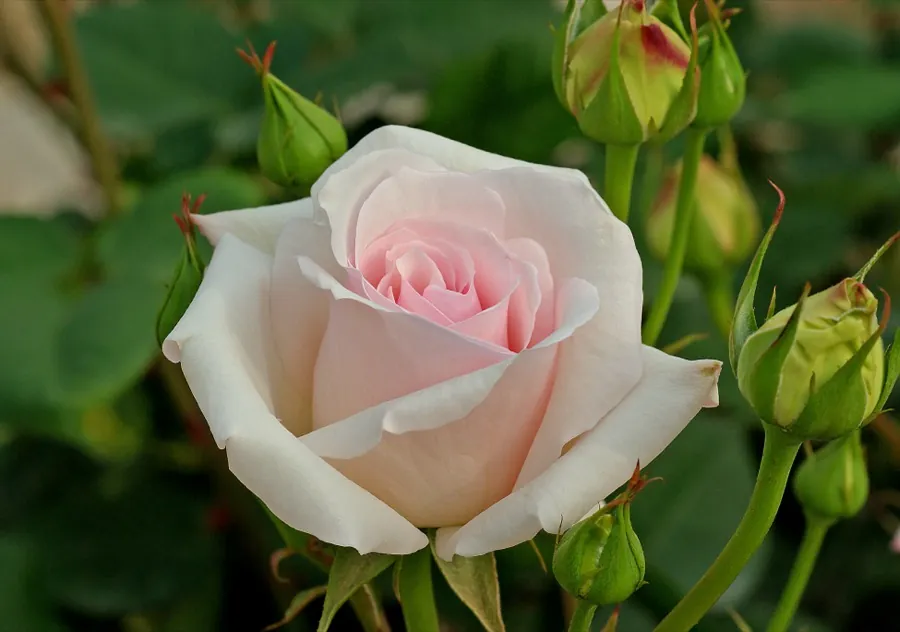
One of the best-known Hybrid Teas of the early twentieth century; the reference Hybrid Tea form that defined the look of all later Hybrid Teas; founder of the 'Ophelia line': Madame Butterfly 1918, Lady Sylvia 1926, Golden Ophelia; named after a Shakespeare heroine; soft salmon-pink, widely used as a cut flower in the 1910s–1930s.

Ancestor of the whole 'Ophelia' line (Madame Butterfly, Lady Sylvia, Golden Ophelia) · benchmark of the twentieth-century HT form

Variety profile

Flowering

Repeat flowering

Repeat flowering from June to October. Months are approximate, for the climate of Ukraine.

Legacy

Mother of the 'Ophelia' line

Paul 1912 · benchmark HT form

Winter hardiness

−26 °C

USDA zone 5b–9a. Most of Ukraine with winter cover.

Compare reference temperatures

Plant size

80–130 × 45–60 cm
person 170 cm80–130 cm
Habit
Upright, bushy; typical Hybrid Tea of the early twentieth century
Dimensions
80–130 cm tall × 45–60 cm wide; a medium-tall Hybrid Tea
Support
Not needed; self-supporting
Shoots
Straight, with noticeable old thorns
Branching
Well branched, with medium-strong stems

Flower

8–10 cm
Bud shape
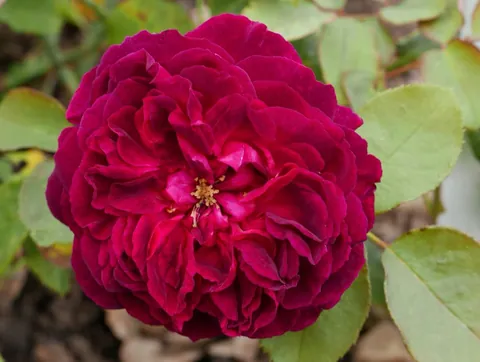
Elongated, elegant, salmon-pink with a yellowish base
Open flower
A reference Hybrid Tea form with a sharp, high centre; the standard for all later HT XX-century roses
Centre
Tightly packed, opens slowly; when fully open, yellow-cream stamens
Fullness
About 28 petals, ideal for the Hybrid Tea form
Flower carriage
Mostly singly or in small clusters; typical Hybrid Tea, ideal for cutting

Fragrance

Strong; classic tea with honey

Strong classic tea fragrance with honeyed notes; the characteristic tea scent and the basis of the scent of all later Ophelia-line roses.

Disease resistance

3 out of 5

Moderate, 3/5: typical of early twentieth-century Hybrid Teas; needs prevention against black spot and powdery mildew. USDA hardiness 5b–9a: most of Ukraine with light winter protection.

Sun

Sun and partial shade

Morning sun keeps the pink tone.

Thorns

Moderate
thornlessfewmoderatemanyvery many

Average number of thorns, typical of early twentieth-century Hybrid Teas.

Foliage

Matt green, not glossy; typical of 1910s Hybrid Teas (unlike modern glossy ones).

All characteristics in a table
Group
Hybrid Tea; hybrid tea; historical classic
Breeder
United Kingdom, 1912
Bud shape
Elongated, elegant, salmon-pink with a yellowish base
Open flower
A reference Hybrid Tea form with a sharp, high centre; the standard for all later HT XX-century roses
Centre
Tightly packed, opens slowly; when fully open, yellow-cream stamens
Colour
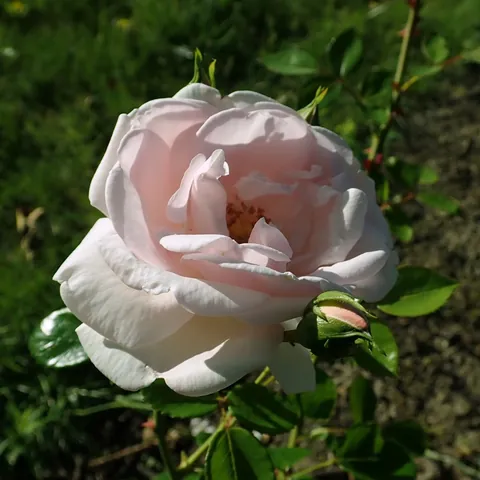
Soft salmon-pink with a yellowish base to the petals and lighter edges; almost white in heat, a pastel character. The classic Edwardian palette of the 1910s
Fullness
About 28 petals, ideal for the Hybrid Tea form
Flower carriage
Mostly singly or in small clusters; typical Hybrid Tea, ideal for cutting
Flowering
Repeat flowering from June to October
Fragrance
Strong classic tea fragrance with honeyed notes; the characteristic tea scent and the basis of the scent of all later Ophelia-line roses
Hips
Not documented; cut for repeat flowering
Habit
Upright, bushy; typical Hybrid Tea of the early twentieth century
Branching
Well branched, with medium-strong stems
Shoots
Straight, with noticeable old thorns
Thorns
Average number of thorns, typical of early twentieth-century Hybrid Teas.
Dimensions
80–130 cm tall × 45–60 cm wide; a medium-tall Hybrid Tea
Support
Not needed; self-supporting
Foliage
Matt green, not glossy; typical of 1910s Hybrid Teas (unlike modern glossy ones)
Resistance
Moderate, 3/5: typical of early twentieth-century Hybrid Teas; needs prevention against black spot and powdery mildew. USDA hardiness 5b–9a: most of Ukraine with light winter protection
Variations of the variety
No registration code (the variety predates the ARS system). HelpMeFind ID 2.4561. Introduced by William Paul & Son, Waltham Cross (England), 1912. Parentage: seedling of 'Antoine Rivoire' (HT, Pernet-Ducher 1895). Numerous sports: Madame Butterfly 1918 (pink), Lady Sylvia 1926 (warm pink), Golden Ophelia 1918 (yellow), White Ophelia, Climbing Ophelia and dozens of others

Colour scheme

Soft salmon-pink with a yellowish base to the petals and lighter edges; almost white in heat, a pastel character. The classic Edwardian palette of the 1910s

Rose neighbours

Perennials to plant nearby

Rose neighbours

Historic classics and descendants of the Ophelia line — a 'genealogical' group:

Perennial companions

A classic Edwardian cottage palette:

lavenderlady's mantle (Alchemilla)stachyscatmint (Nepeta)

Availability worldwide

Historic classic, collectors' segment:

  • 🇬🇧 UK: high · Peter Beales, David Austin Heritage
  • 🇪🇺 Europe: high · Loubert, Schultheis
  • 🇺🇸 USA: moderate · 'old roses' segment
  • 🇺🇦 Ukraine: rare · botanic gardens and collections

More about the variety

Hips
Not documented; cut for repeat flowering
Variations of the variety
No registration code (the variety predates the ARS system). HelpMeFind ID 2.4561. Introduced by William Paul & Son, Waltham Cross (England), 1912. Parentage: seedling of 'Antoine Rivoire' (HT, Pernet-Ducher 1895). Numerous sports: Madame Butterfly 1918 (pink), Lady Sylvia 1926 (warm pink), Golden Ophelia 1918 (yellow), White Ophelia, Climbing Ophelia and dozens of others

How to grow

Where to plant. In historical and Edwardian cottage-style plantings; as a 'memorial' rose of the twentieth century in the garden; ideal among other classic Hybrid Teas and Old Garden Roses; a unique living example of varietal inheritance: the creation of the 'Ophelia line' alongside Madame Butterfly and Lady Sylvia.

Climate. Most of Ukraine with light winter protection (USDA 5b–9a, down to −26 °C); in heat the colour is almost white, so morning sun and evening shade are recommended to keep the pink.

Care. Full sun or light shade; a well-ventilated site; needs disease prevention (typical of 1910s Hybrid Teas); feed 2–3 times per season; prune one third in spring; cut for home bouquets, as the reference Hybrid Tea form is ideal for classic arrangements.

About the name

Name. 'Ophelia', after Ophelia, the heroine of Shakespeare's tragedy 'Hamlet'. In the Victorian and Edwardian era it was fashionable to name roses after Shakespeare's female characters: the soft pink, changeable flower was associated with the tenderness and tragic beauty of the heroine who went mad with love and drowned among flowers. Other 'Shakespearean' roses: Juliet, Desdemona, Hermione, Titania.

Breeding. An unknown French breeder (bred in France before 1912). Introduced by William Paul & Son (Waltham Cross, England), one of the most important British rose nurseries of the nineteenth and twentieth centuries. Introduced 1912. Parentage: seedling of 'Antoine Rivoire' (HT, Pernet-Ducher 1895). There is no registration code (the variety predates the ARS system).

Significance. Founder of the whole Ophelia line: Madame Butterfly (1918), a pink sport; Lady Sylvia (1926), a warm pink sport; Golden Ophelia (1918), yellow; White Ophelia, Climbing Ophelia, and dozens of other descendants and sports. It is the standard of the reference Hybrid Tea form of the early twentieth century, a model of the high-centred bloom that defined the look of all later Hybrid Teas. Widely used as a cut flower in the 1910s–1930s, it was the basis of the Edwardian flower-garden fashion. Today it is a collectors' variety and an important historical landmark in the garden. It is NOT in the WFRS Old Rose Hall of Fame (a common myth): the Old Rose HoF list has only 5 varieties: Cécile Brünner, Gloire de Dijon, Gruss an Teplitz, Old Blush, Souvenir de la Malmaison. Ophelia is very important in breeding, but it has formally not been inducted into the Hall of Fame.

Frequently asked questions about Ophelia

Does Ophelia need winter protection?

The cultivar’s reference temperature is −26 °C (USDA zone 5b–9a). Overwintering depends on the conditions. Most of Ukraine with winter cover.

How many times a season does Ophelia flower?

Repeat flowering from June to October.

How big does Ophelia grow?

80–130 cm tall, 45–60 cm wide.

Which diseases affect Ophelia?

Overall resistance: 3 out of 5. Moderate; typical of early twentieth-century Hybrid Teas; needs disease prevention.

How much sun does Ophelia need?

Sun and partial shade; morning sun keeps the pink tone.

What does Ophelia smell like?

Strong classic tea fragrance with honeyed notes; the characteristic tea scent and the basis of the scent of all later Ophelia-line roses.

Gardeners' photos and reviews

My climate

Choose a reference temperature to compare with the cultivar’s data. This is not an overwintering forecast or advice on winter protection; consider wind, moisture and the duration of frost.

Regional data are generalised. USDA describes average annual extreme minima, not a forecast; the values in the list are rounded. Check the conditions at your site. More information: Roses in Ukraine's climate.