Back to catalogue
Hybrid Tea / GrandifloraMeilland, 2012Apricot and orange

Princesse Charlène de Monaco

ROMANTICA® collection; named after Princess Charlene of Monaco; six awards, three of them for fragrance.

ROMANTICA® collection · very fragrant

Variety profile

Flowering

Repeat, in flushes

Repeat-flowering in flushes all season (spring – autumn). Months are approximate, for the climate of Ukraine.

Awards

Geneva Gold

2011 · fragrance cups (Le Roeulx, Saverne) · La Tacita gold 2015

Winter hardiness

−15 °C

USDA zone 5–9. Centre and south; in the north, reliable winter protection.

Compare reference temperatures

Plant size

80–100 × 50–90 cm
person 170 cm80–100 cm
Habit
Upright, bushy, well branched
Dimensions
80–100 cm high × 50–90 cm wide (in a warm climate taller, up to 120–150 cm)
Support
Needs no support — bush form
Shoots
Strong, well branched
Branching
Good, even

Flower

≈ 11 cm

66–71 petals.

Bud shape
Soft, apricot pink
Open flower
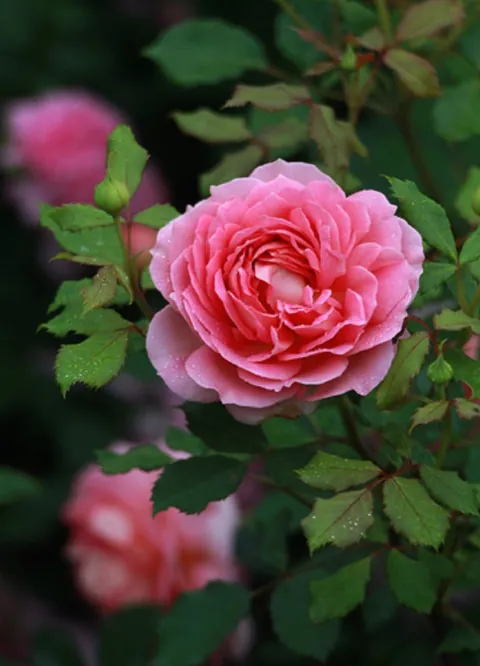
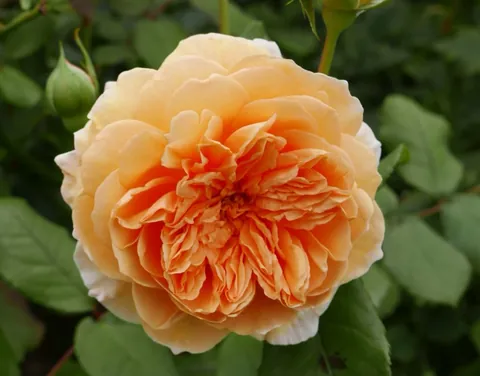
Very full, cupped, old-fashioned form with a 'button' centre, quartered; diameter about 11 cm
Centre
Quartered; warmer than the edges
Fullness
Very full, about 66–71 petals
Flower carriage
Mostly solitary flowers (1 per stem), sometimes in small clusters

Fragrance

Strong; sweet, fruity, honeyed

Strong — sweet, fruity, with notes of the 'May rose' (Rose de Mai), honeyed; three times awarded cups for fragrance.

Disease resistance

4 out of 5

Good; rain-resistant. In a humid climate black spot is possible.

Sun

Full sun

Rain-resistant — the flower holds up well.

Thorns

Moderate
thornlessfewmoderatemanyvery many

Approximate; the sources have no exact data on thorniness.

Foliage

Dense, dark green, glossy.

Other names

Breeder's code MEIdysouk.

All characteristics in a table
Group
Hybrid Tea / Grandiflora
Breeder
Meilland, 2012
Bud shape
Soft, apricot pink
Open flower
Very full, cupped, old-fashioned form with a 'button' centre, quartered; diameter about 11 cm
Centre
Quartered; warmer than the edges
Colour
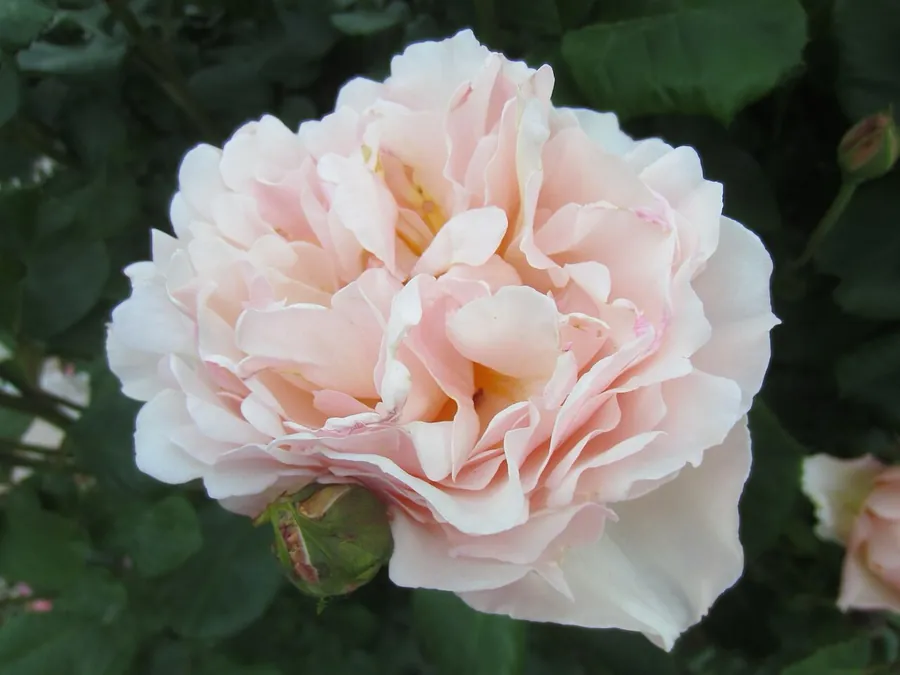
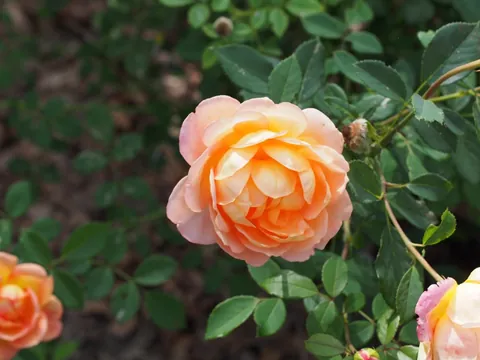
From light apricot to mother-of-pearl pink (shell pink); the centre is warmer, the outer petals lighter
Fullness
Very full, about 66–71 petals
Flower carriage
Mostly solitary flowers (1 per stem), sometimes in small clusters
Flowering
Repeat-flowering in flushes all season (spring – autumn)
Fragrance
Strong — sweet, fruity, with notes of the 'May rose' (Rose de Mai), honeyed; three times awarded cups for fragrance
Hips
Usually cut
Habit
Upright, bushy, well branched
Branching
Good, even
Shoots
Strong, well branched
Thorns
Approximate; the sources have no exact data on thorniness.
Dimensions
80–100 cm high × 50–90 cm wide (in a warm climate taller, up to 120–150 cm)
Support
Needs no support — bush form
Foliage
Dense, dark green, glossy
Resistance
Good; rain-resistant. In a humid climate black spot is possible
Variations of the variety
In a warm climate the bush is taller; the premium ROMANTICA® collection — old-fashioned form roses with a strong scent
Colour scheme

From light apricot to mother-of-pearl pink (shell pink); the centre is warmer, the outer petals lighter

Rose neighbours

Perennials to plant nearby

Neighbouring roses

Apricot-pink varieties keep a soft, romantic palette around Princesse Charlène.

Companion perennials

Blue-violet flowers balance the warm apricot-pink and highlight the fragrance:

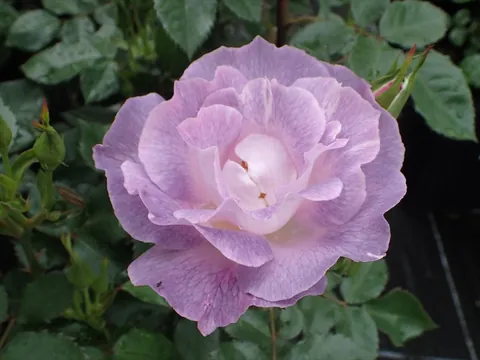
catmint (Nepeta)lavender Munsteadsalvia Caradonnageranium Rozanne

Contrast accents

Silvery-blue spires and foxglove add vertical rhythm:

PerovskiaDigitalisNepeta

More about the variety

Hips
Usually cut
Variations of the variety
In a warm climate the bush is taller; the premium ROMANTICA® collection — old-fashioned form roses with a strong scent
How to grow

Where to plant. Because of its strong scent, next to a bench, entrance, terrace or path where the fragrance can be enjoyed. Lovely for cutting (one flower on a long stem).

Climate. Central and southern Ukraine — good; in the north (the −15 °C zone is borderline) reliable winter protection is needed.

Care. Full sun, pruning in spring to shape, removing spent flowers encourages new flushes, feeding twice a season.

About the name

Name. Named after Her Serene Highness Princess Charlene of Monaco (Charlene Wittstock), wife of Prince Albert II; the rose was officially 'christened' at a naming ceremony.

Breeding. The Meilland nursery, introduced in 2012. Patent code MEIdysouk. Parentage: 'Louis de Funès' × ('Pink Panther' × 'Graham Thomas'). A premium ROMANTICA® collection rose.

Significance. One of the most fragrant modern Hybrid Teas from Meilland — six awards in total, including a gold medal at Geneva (2011) and three awards for fragrance.

Frequently asked questions about Princesse Charlène de Monaco

Does Princesse Charlène de Monaco need winter protection?

The cultivar’s reference temperature is −15 °C (USDA zone 5–9). Overwintering depends on the conditions. Centre and south; in the north, reliable winter protection.

How many times a season does Princesse Charlène de Monaco flower?

Repeat-flowering in flushes all season (spring – autumn).

How big does Princesse Charlène de Monaco grow?

80–100 cm tall, 50–90 cm wide.

Which diseases affect Princesse Charlène de Monaco?

Overall resistance: 4 out of 5. Good; black spot is possible in a wet season.

How much sun does Princesse Charlène de Monaco need?

Full sun; rain-resistant — the flower holds up well.

What does Princesse Charlène de Monaco smell like?

Strong — sweet, fruity, with notes of the 'May rose' (Rose de Mai), honeyed; three times awarded cups for fragrance.

Gardeners' photos and reviews

My climate

Choose a reference temperature to compare with the cultivar’s data. This is not an overwintering forecast or advice on winter protection; consider wind, moisture and the duration of frost.

Regional data are generalised. USDA describes average annual extreme minima, not a forecast; the values in the list are rounded. Check the conditions at your site. More information: Roses in Ukraine's climate.